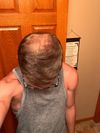
OP underwent a hair transplant (HT) and has been using finasteride for one year. Despite having thin hair, OP is happy with the results and feels more confident.
The conversation discusses finasteride for hair loss, especially among those with a history of depression. Users shared mixed experiences, with some reporting no issues and others experiencing worsened depression.
Finasteride may help stabilize hair loss, but regrowth at the temples is challenging and often requires additional treatments like minoxidil or a hair transplant. Users suggest patience and possibly combining treatments for better results.
The conversation discusses whether to try dutasteride for hair loss if finasteride had no effect. Users suggest dutasteride might be more effective as it is stronger and blocks more types of DHT.
The conversation is about regretting not starting hair loss treatments like finasteride earlier, with some users considering beginning treatment now. Specific treatments mentioned are finasteride (Fin) and minoxidil (Min).
A user shared their 6-month hair loss treatment progress, which included 3200 FUE grafts, oral finasteride and minoxidil, keto shampoo, and biotin. The user also mentioned micro needling their temples for further growth and plans to observe the effects of finasteride and minoxidil over the next 6-12 months.
The conversation is about hair loss and the use of minoxidil (Minoxidil) and finasteride (Fin) as treatments. The conclusion is that some users have seen success in maintaining their hair with minoxidil, but there are varying opinions on the effectiveness of the treatments.
A 16-year-old experiencing hair loss seeks treatment advice. They decide to start with Serioxyl, Ketoconazole shampoo, and Eucapil, considering Minoxidil and Finasteride for later use.
PCOS female visited doctor for hair loss concerns, prescribed spironolactone and minox 5%. Doctor advised against finasteride or dutasteride, user considering self-medication with dutasteride.
The user switched from finasteride to dutasteride for hair loss and saw significant improvement in under two months. They also microneedle, take supplements including collagen and vitamin D3, use ketoconazole shampoo, and noticed accidental hair regrowth with retinol application on their face.
Natural treatments for hair loss, specifically peppermint oil and rosemary oil; how they can be used as a supplementary or alternative treatment to pharmaceuticals such as finasteride and minoxidil; and the personal experience of the user Divallo, who has seen an increase in density and thickness after using these oils for around 2.5 years. The post also touches on the potential antifungal properties of the oils and their effects on cutaneous blood flow.
KX-826 (Pyrilutamide) being tested in the US for hair loss treatment and that they have found enough people to participate in phase II clinical trials. Other treatments discussed are Minoxidil, finasteride, and RU58841.
A user's personal hair loss progress with treatments, including finasteride (1.25mg), minoxidil, needling, and Nizoral; and advice from other users on how to perform the needling correctly.
User 74775446 shares successful hair regrowth results using dermaroller/pen and minoxidil. Others discuss their experiences and concerns about finasteride side effects.
Oral Dutasteride and topical Minoxidil significantly improved hair regrowth over nine months. Other users shared mixed results and side effects with treatments like oral Minoxidil and Finasteride.
A 31-year-old Australian had a successful hair transplant in Turkey for $10,000 AUD, using minoxidil and finasteride to combat hair loss. He now has a full head of hair, increased confidence, and continues using finasteride with occasional minoxidil.
Finasteride and minoxidil significantly improved a user's hair loss, starting at age 17, leading to a full head of hair by age 19 without side effects. The user prefers oral minoxidil over topical due to better results and less hassle.
A 20-year-old saw significant hair regrowth after 9 months of using DHT blockers (finasteride and dutasteride) and 6 months of hormone replacement therapy (HRT) with estradiol. The regrowth is attributed to low testosterone and high estradiol levels, without using Minoxidil.
A 27-year-old male experienced significant hair regrowth in two months using a daily oral 3-in-1 pill containing 1.1mg finasteride, 5mg minoxidil, and 1mg biotin from LockLab, with no side effects reported. The user also uses a derma-stamp twice a week to promote blood flow and stimulate growth.
A 23-year-old Italian man in Switzerland is experiencing hair loss and cannot get a prescription for Finasteride, only Minoxidil. He seeks advice on obtaining Finasteride through online pharmacies or by consulting different doctors.
The user is considering adding microneedling to their current hair loss regimen, which includes 1mg finasteride daily, 1.25mg oral minoxidil twice daily, and Nizoral once a week. Opinions on microneedling's effectiveness vary, but some suggest it could enhance results.
A 37-year-old man achieved significant hair regrowth in five months using topical minoxidil 5%, rosemary oil massages, and Nizoral 2% shampoo. His impressive results led to disbelief and admiration, with some attributing his success to being a "hyper responder."
A 23-year-old experienced significant hair regrowth in 3 months using a topical mixture of minoxidil 5% and finasteride 1%, with added bimatoprost. The treatment is government-subsidized, costing around $15, and the user reported no side effects.
The user is considering switching from topical to oral finasteride due to lack of progress with their current hair loss treatment, which includes topical fin/min, microneedling, Nizoral shampoo, oral minoxidil, biotin, collagen, tretinoin, and hair masks. A suggestion was made to try oral finasteride for potentially better results and to monitor progress over 6-12 months.
KX-826 (Pyrilutamide) 0.5% and 1.0% solutions showed promising results in increasing hair count for male androgenetic alopecia, with the 0.5% dose slightly outperforming the 1% dose. The treatment was well-tolerated with no sexual side effects, but skepticism remains due to past inconsistencies in trial results.
Ketoconazole shampoo may help with early-stage hair loss by stopping hair regression and promoting new hair growth, though its effectiveness as a DHT blocker is debated. Users report varying results, with some experiencing dryness and others seeing improvement when used 2-3 times a week.
A user shared their successful experience with hair regrowth and transitioning from male to female using minoxidil, finasteride, Nutrafol, microneedling, and hormone replacement therapy (HRT). They expressed gratitude for the results and encouraged others to explore treatments that align with their personal goals.
The user has been dealing with hair loss for six years using minoxidil, finasteride, and dutasteride without success. They are contemplating shaving their head due to continued hair loss and social anxiety.
Minoxidil and finasteride significantly improved the user's hair growth over six months, with no reported side effects. The user recommends these treatments for others experiencing hair loss.