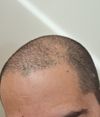
A user trying to avoid an expensive hair transplant, and the replies suggesting they wait two years on treatment before deciding if they need a transplant or not.
The user is experiencing severe hair thinning and is using multiple treatments including topical finasteride, minoxidil, tretinoin, latanoprost, oral minoxidil, dutasteride, saw palmetto, and derma wounding. They are considering adding RU58841 and are contemplating a hair transplant and exosomes due to frustration with current results.
A 22-year-old is experiencing diffuse hair thinning all over the head, losing about 300 long hairs daily, despite having good genetics and vitamin levels. They are seeking advice on whether this pattern is normal and considering consulting a dermatologist.
A user experienced no reduction in DHT levels after 8 months of finasteride, despite initial improvement in hair loss. They are considering switching to dutasteride but are concerned about potential side effects.
The user is experiencing reduced climax sensation and decreased volume while on Finasteride for hair loss. They are considering whether lifestyle changes or time might improve these side effects.
The conversation is about using inositol for hair loss, particularly its potential benefits for men, given its success in women with PCOS. The discussion includes treatments like Minoxidil, finasteride, and RU58841.
The user is considering a hair transplant to increase hair density after using finasteride and minoxidil for two years. They prefer a natural hairline and are unsure if a transplant is suitable for overall thinning.
A 21 year old who has been taking various treatments for hair loss such as dutasteride, RU58841, minoxidil and finasteride with no results. Other users share their experiences of dealing with hair loss at an early age and offer advice on how to cope.
Finasteride may have positive effects by keeping testosterone levels higher, potentially maintaining youthfulness and physical performance as one ages. It could also help with conditions related to aging like andropause and sarcopenia without increasing estradiol levels.
The user has been taking finasteride for 1.5 years without seeing improvement in hair regrowth. Suggestions include adding minoxidil or switching to dutasteride, with concerns about side effects.
Hair regeneration and follicle cloning are considered far from being feasible, with current treatments like finasteride, minoxidil, and hair transplants expected to remain dominant for the next 15-20 years. Some are hopeful that AI advancements might accelerate progress, but many remain skeptical about significant breakthroughs in the near future.
The user has been on oral Dutasteride and Minoxidil for 16 months but continues to experience hair miniaturization. They previously used oral Finasteride and topical Minoxidil with success for 7 years and are now seeking advice on whether to switch back to topicals, adjust dosages, or consider other treatments like topical anti-androgens or Estradiol.
A 33-year-old male is experiencing thinning at the temples and hairline, with increased shedding over the past year. The user suspects androgenetic alopecia (AGA) despite AI suggesting a maturing hairline.
A 33-year-old man experienced diffuse thinning and hair shedding due to sleep deprivation and low testosterone. After starting hCG treatment, he noticed hair regrowth on his temples.
Hair follicle cloning is claimed to be possible but not widely available due to potential safety issues, such as cancer risks. Current treatments like finasteride and dutasteride are not effective for everyone, and there is frustration over limited access to these medications.
A 19-year-old male has been using 1mg oral finasteride daily for over four months without seeing improvement in hair loss, feeling it may have worsened. Another user reassures him that noticeable results can take up to a year and early shedding is normal.
The user "ajsr8" shared their story of hair loss despite being on treatments. They started using finasteride in 2019 and later tried topical minoxidil, but it didn't seem to work. They also experienced side effects from other treatments. They are considering cutting off their hair and stopping the medications if there is no improvement in three months. Other users suggested trying different treatments and getting a blood test to check for underlying conditions.
OP is experiencing increased body hair but no head hair growth after three months of using oral minoxidil and finasteride. This is common, and head hair results may take up to a year.
A 19-year-old experiencing hair loss tried finasteride but stopped due to potential side effects and is considering dutasteride. They also used topical minoxidil intermittently but didn't see lasting effects.
Human pluripotent stem cells have been used to create hair and skin, potentially offering a new solution for baldness. A user also mentioned starting finasteride but experiencing unexpected hair thinning.
A 43-year-old man shares his slow progress using low-dose topical finasteride and 5% minoxidil for hair growth, along with scalp massages, microneedling, biotin supplements, and pumpkin seed oil. Another user suggests shaving and warns about potential infertility from finasteride, but the original poster remains optimistic, citing others' successful results.
User Tricky9555 tried various hair loss treatments for 8 months with no visible results. Others suggested considering a hair transplant, checking thyroid levels, and being patient for up to 24 months for potential results.
The user experienced successful hair regrowth with Finasteride and Minoxidil but developed erectile dysfunction and abdominal pain, possibly due to medication or lifestyle changes. They plan to consult a urologist and consider adjusting medication or trying supplements like zinc, DIM, or boron.
The conversation expresses frustration over the lack of progress in hair loss treatments, with specific mentions of Minoxidil, finasteride, and RU58841. Users discuss the slow development of new treatments and the potential of hair transplants.
The user has been using finasteride 1mg and minoxidil 5% spray for 19 months but continues to experience hair shedding and has not seen improvement with ketoconazole or tretinoin. They are considering a hair transplant in the future while maintaining current treatments.
Lichen Planopilaris (LPP) is an autoimmune condition causing permanent hair loss and fibrosis, often misdiagnosed. Treatments include pioglitazone, topical corticosteroids, anti-inflammatory medication, and Jak inhibitors.
The user experienced hair thinning and was diagnosed with alopecia incognito and male pattern baldness. They are using minoxidil, finasteride, and dutasteride scalp injections, reporting gradual improvement with no side effects.
A 19-year-old with rapid hair loss since 16 is considering a hair transplant but refuses to take finasteride or any 5α-Reductase inhibitors. They are currently using minoxidil, tretinoin, and microneedling with a Derminator 2, and only want hair until age 27.
A 19-year-old is experiencing hair thinning and recession above the temples, causing stress and consideration of starting finasteride despite financial constraints. They are unsure whether to begin treatment immediately or wait to assess the situation further.