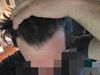
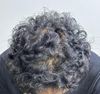
The user is experiencing hair thinning and increased hair fall, and is considering using minoxidil for 3-4 months but is concerned about the long-term commitment and potential hair loss after stopping. They have tried multivitamins, serums, and shampoos, and are hesitant about starting PRP treatment.
A 20-year-old male experienced significant hair regrowth and reduced shedding after four months of using 2.5mg oral minoxidil, 1mg oral finasteride, and weekly 1.5mm derma stamping. He reported no side effects from the treatments and noted increased hair growth in other areas of his body.
The user has been using oral Minoxidil, Finasteride, and Biotin for hair recovery and is considering adding topical Minoxidil and dermastamping to improve results. It is suggested to use micro-needling once a week with a 24-hour gap before applying topical Minoxidil.
A user shared 5 months of progress using 1mg finasteride and 2.5mg minoxidil, showing before and after pictures. Other users complimented the results and discussed their own experiences with similar treatments.
The user is considering switching from topical Minoxidil to oral Minoxidil due to concerns about maintaining a topical routine. They have already started finasteride and are trying to prevent further hair loss progression.
A 30-year-old female with PCOS and male pattern baldness is frustrated with her endocrinologist's recommendation of only Spironolactone and minoxidil, feeling that dutasteride, finasteride, and progesterone would be more effective. Other users suggest various online sources for treatments, warn against self-medicating due to potential risks, and recommend seeking a specialized endocrinologist or considering additional treatments like Inositol, Berberine, and dermaneedling.
An 18-year-old has been using 5% topical minoxidil for 2 months for hair loss, with a history of vitamin D deficiency and thyroid imbalance. Users suggest starting finasteride and blocking DHT for androgenetic alopecia (AGA).
Oral minoxidil has shown positive results for hair regrowth, but concerns about its side effects, such as heart issues, are noted. Adding a DHT blocker like finasteride is recommended for better and more lasting results.
The user has been using oral dutasteride 0.5mg, oral minoxidil 2mg, and topical minoxidil 5% for hair regrowth, along with microneedling. They have seen significant hair coverage improvement and are considering additional supplements for better results.
A user's regimen to help with their diffuse thinning, which includes taking Pyrilutamide BID, 1mg finasteride daily, 2.5mg oral minoxidil daily, topical minoxidil since August 2021, LLLT every two days, topical fin, progesterone, melatonin, minoxidil (started one week ago), pumpkin seed oil and not dermarolling; other commenters suggested Nizoral for dandruff control and caution when using pre-mixed products with Pyrilutamide.
A 51-year-old man uses 1mg oral finasteride daily, 5% topical minoxidil twice daily, dermarolling, and Nizoral twice a week for hair regrowth. He shows significant progress after two months and is happy with the improvement.
The user is experiencing positive hair regrowth results after 3 months using finasteride and minoxidil both orally and topically, along with biotin and ketoconazole. They also use a shampoo containing caffeine and biotin.
FCE 28260 (PNU 156765), an under-explored 5α-reductase inhibitor, showcases promising results in research by Giudici et al., outperforming well-known treatments like Finasteride in reducing the conversion of testosterone to DHT. Its superior efficacy, demonstrated through lower IC50 values in both natural and human recombinant enzyme studies, suggests it could offer more effective management of DHT-related conditions. Additionally, its lower molecular weight hints at better potential for topical application, potentially offering advantages in treating conditions such as androgenic alopecia. Despite its potential, it has not advanced in development, possibly due to financial limitations, leaving its therapeutic prospects and side effect profile largely unexplored.
A 31-year-old male experienced significant hair regrowth on his crown after using oral minoxidil (initially 1.25 mg, increased to 2.5 mg, then reduced back to 1.25 mg) and finasteride (1 mg), without side effects except increased hair on arms, beard, and eyelashes. He also used anaphase conditioner and shampoo but no derma rolling or additional multivitamins.
The user reported tiny hair growth in thinning areas and improved thickness after 56 days of using 1 mg oral finasteride, 2.5 mg oral minoxidil, and a serum with Redensyl, Anagain, Capixyl, and Procapil. They also take supplements and maintain a healthy lifestyle with no noticeable side effects.
The user is considering adding Stemoxydine to their hair loss regimen, as they already use topical finasteride with rosemary and cannot use Minoxidil. They are seeking feedback on Stemoxydine and Alphatradiol, and another user mentions 2-deoxy-d-ribose as a potential option.
Mixing ground finasteride pills with Minoxidil for topical use, with concerns about effectiveness and side effects. Users suggest using professionally formulated topical finasteride instead.
A 35-year-old male has been using finasteride inconsistently for two years and is hesitant about using minoxidil due to potential side effects. He is considering oral minoxidil and microneedling as alternatives and is unsure if dutasteride is too strong.
The user is hesitant to use finasteride due to potential hormonal side effects and is waiting for the release of pyrilutamide, a new hair loss treatment. Other users suggest trying finasteride, warning about potential regret if hair loss progresses in the meantime.
The user experienced significant hair thickening after nearly 5 months on 5 mg oral minoxidil and over 10 years on 1 mg finasteride, with no side effects. They are considering a hair transplant for the hairline but are pleased with the current results.
The user is using RU58841 twice daily, dutasteride 0.5mg every two days, dutasteride mesotherapy every three months, and 20mg oral minoxidil daily. Other users suggest this regimen is excessive and recommend adding microneedling and ketoconazole shampoo.
PP405 is being discussed as a potential treatment for hair loss, with uncertainty about its effectiveness compared to existing treatments like finasteride, dutasteride, and minoxidil. There is cautious optimism, but its impact on hair transplants remains unclear.
The user experienced hair regrowth after 10 months using Minoxidil, 2.5 mg Dutasteride, and 0.5 mg Finasteride. They switched from a compounded pill to Avodart capsules and plan to reassess their treatment after one year.
Combining 0.5 mg oral finasteride with topical finasteride and minoxidil during an Enclomiphene cycle may help manage increased DHT levels. Monitoring for side effects is advised.
The conversation is about using 1mg finasteride and 5% topical minoxidil for hair loss, along with a dermaroller, Alpecin caffeine shampoo, and Nizoral shampoo. Users express optimism about the potential improvement in hair density.
Considering a hair transplant, using Pyrilutamide, the potential availability of CosmeRNA, and the significance of taking Minoxidil and Finasteride for long-term results.
RU-58642 is a powerful anti-androgen that was not developed further, possibly due to safety concerns or financial reasons. RU58841 is a topical alternative, but it is less effective than finasteride and dutasteride, and its long-term effects are not well-studied.
The user has been using oral minoxidil (5mg), finasteride (1mg), and biotin for 4 months with minimal progress in hair regrowth. Other users suggest patience, considering alternative treatments, and note that biotin may not significantly contribute unless there's a deficiency.
Topilutamide is a potential hair loss treatment between Clascoterone and RU58841. Users discuss finding Topilutamide powder and its possible benefits for those who can't afford or tolerate other treatments.