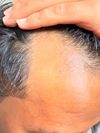
A user is concerned about using Alpicort, which contains Prednisolone and Salicylic Acid, for male pattern baldness. They are unsure if it will help or worsen their condition and are seeking advice.
The user is considering switching from topical to oral minoxidil for convenience and better hair regrowth, despite concerns about side effects. They are also tapering off finasteride while starting dutasteride.
Hair regrowth was achieved using minoxidil, nizoral, alfatrodial, and pyrilutamide after finasteride caused side effects. The user recommends this combination for those who can't tolerate 5AR inhibitors, stressing consistent use.
The user experienced significant hair regrowth using a daily oral combination of minoxidil (3mg) and finasteride (1.1mg) without side effects. Others shared their experiences with similar treatments, noting varying results and side effects.
The user is using a solution of 5% minoxidil and 0.1% finasteride with micro-needling and is considering adding 1mg oral finasteride. They notice small hairs on their forehead and are questioning if these indicate potential regrowth.
The user experienced positive hair regrowth using 1mg oral finasteride daily, Nizoral 2% shampoo every three days, and dermastamping, without adding minoxidil due to satisfaction with current results. Initial side effects like erectile dysfunction and dry eyes resolved over time.
The conversation discusses a 4-month hair regrowth protocol that includes finasteride (1.25mg), RU58841, dermarolling, ketoconazole, minoxidil, peppermint oil, and fatty acids/oils. Progress pictures are shared to show the results of these treatments.
A user is using minoxidil for hair loss and considering adding finasteride but their dermatologist advised waiting to see if minoxidil works alone. They are thinking about taking saw palmetto (serenoa repens) and biotin as alternatives and are asking for others' experiences and potential side effects.
An 18-year-old is using a high-dose hair loss treatment with 40mg daily dutasteride, finasteride, minoxidil, tretinoin, and topical bicalutamide. Despite health risk concerns, especially liver issues, they report hair regrowth progress and intend to continue the regimen.
A 20-year-old used finasteride for 5 months, then switched to dutasteride for 7 months, and added oral minoxidil for 2.5 months, finding the combination of dutasteride and oral minoxidil most effective. The user experienced significant hair improvement and confidence boost, with no blood tests but an ECG to monitor heart health.
User used topical minoxidil 5% with 0.1% finasteride twice daily, oral minoxidil 2.5mg, and finasteride 1mg daily, along with a hair multivitamin and weekly derma rolling. They missed the medication 3-4 times but still saw significant progress.
The user has been using homemade topical finasteride for over 2 years with no side effects and Rogaine foam, considering a hair transplant in a year. They are contemplating whether to continue the current treatment, switch to oral finasteride with or without RU58841, and are unsure about potential side effects of oral medication.
A 27-year-old male is using a hair loss treatment regimen including topical minoxidil, oral finasteride, dermarolling, ketoconazole shampoo, and mesotherapy with dutasteride and vitamins. He is considering switching to oral dutasteride as recommended by his doctor and questions the necessity and cost of mesotherapy.
A 32-year-old user shared progress pictures after using finasteride for 12 months, starting with 0.25g for 5 months and then 0.5g for 7 months. They have not yet added minoxidil or dermarolling and will update at the one-year mark.
Using a low dose of topical Tamoxifen effectively reduces gynecomastia caused by finasteride, with minimal side effects. The solution involves mixing Tamoxifen with ethanol and propylene glycol, applied daily to the chest.
The user has been using oral minoxidil (5mg), finasteride (1mg), and biotin for 4 months with minimal progress in hair regrowth. Other users suggest patience, considering alternative treatments, and note that biotin may not significantly contribute unless there's a deficiency.
A 20-year-old has been using finasteride and topical minoxidil for a year but is considering adding oral minoxidil, dutasteride, and biotin due to unsatisfactory results. Opinions vary, with some suggesting patience and others recommending different treatments, but caution is advised against using multiple oral drugs due to potential side effects.
A user shared their 3.5-month progress using 1 mg oral finasteride daily, 5% topical minoxidil nightly, and a dermaroller weekly, reporting no side effects. Others congratulated the user on their progress and inquired about side effects, to which the user confirmed experiencing none.
A female user is seeking feedback on using topical minoxidil on eyebrows due to eyebrow loss, as oral minoxidil hasn't worked and they avoid Latisse due to potential fat loss.
The conversation is about a 23-year-old man's positive experience with hair regrowth using oral finasteride (1mg daily) and topical minoxidil (twice daily), with initial side effects including zero libido and watery semen that resolved except for the semen consistency. He also used dermarolling initially but stopped due to brittleness.
A 28-year-old male shares progress on hair loss treatment using 0.5mg dutasteride and 5mg minoxidil, experiencing initial shedding but encouraged by community support. He also uses ketoconazole occasionally based on scalp oiliness.
A 23-year-old male used 1mg finasteride and topical minoxidil for 90 days, experiencing hair growth and side effects like watery semen and lethargy. He advises continuing medication for hair growth and adopting healthy habits.
OP is using 0.5 mg Dutasteride and 2.5 mg oral Minoxidil for hair loss and considering a hair transplant. Most users suggest waiting 1-2 years to maximize results from the medication before opting for a transplant.
A 22-year-old user experienced positive hair regrowth after 11 weeks using a spray containing 0.3% finasteride, 7% minoxidil, 2.2% ketoconazole, and 0.2% biotin. They reported initial side effects like scalp tingling and brief testicular pain, which subsided, and are considering switching to finasteride pills and a different minoxidil brand for cost reasons.
A 20-year-old is using 5% minoxidil and 0.1% dutasteride foam, along with oral 2.5 mg minoxidil, Forcapil, vitamin D3, and Alpecin shampoo for hair loss, noticing new hair growth and improved hair density. They previously tried finasteride but stopped due to side effects.
The user experienced improved hair health and density after three months using 1mg finasteride and topical minoxidil twice daily, with no side effects. They also use ketoconazole 2% twice weekly and purchase their medications from Amazon.
The conversation is about hair loss treatments, specifically the use of 1 mg finasteride and 1.5 mg oral minoxidil over two years, with consideration of a future hair transplant and possibly switching to dutasteride. Users discuss their own experiences and suggest trying different treatments like minoxidil 5%.
The conversation is about using adenosine, finasteride, and minoxidil for hair loss treatment. The user ordered a 0.75% adenosine solution and is currently using finasteride 1mg and minoxidil 5%.