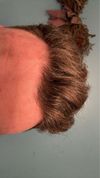
User shares progress after 4 months of using finasteride and dermarolling, with occasional use of coconut and rosemary oil. They aim to stop hair loss and hope for increased top density.
A 22-year-old with high estradiol levels is considering starting finasteride for hair loss. They have an upcoming endocrinologist appointment to discuss whether they should proceed with the treatment.
The user shared a 4-month update on their hair regrowth journey using finasteride, minoxidil, and microneedling, reporting significant progress and styling ability. They emphasized persistence, shared their regimen details, and addressed side effects like weaker erections and blurry vision, which improved with lifestyle changes.
The user, a 27-year-old male, has been treating early hair loss with topical finasteride and minoxidil, then switched to oral finasteride and dutasteride, but has seen no improvement and plans to add oral minoxidil. Despite treatment, hair loss has progressed from Norwood 1-1.5 to Norwood 3, with noticeable thinning, especially on the left side.
The user experienced hairline improvement using topical 5% Minoxidil in the first month and 8% Minoxidil with 0.3% topical finasteride in the second month, along with batana oil, Vitamin D, and biotin. The user takes two doses daily and reports a thicker, stronger hairline.
The conversation discusses using topical finasteride and minoxidil for hair loss, focusing on the crown and mid-scalp areas. The user is optimistic about seeing results in 3 to 6 months.
A 32-year-old shares 2-month progress using oral finasteride, topical minoxidil, and weekly derma stamping for hair loss, noting early improvements and no side effects. Encouragement is given for continued progress.
The conversation discusses a hair loss treatment regimen involving finasteride topical, minoxidil oral and topical, pumpkin seed oil, turmeric drink, weekly derma rolling, and regular head massages. Another user plans to start a similar regimen, including finasteride, minoxidil, keto shampoo, and GHK-Cu vials.
The user is treating hair loss with dermarolling, a laser helmet, scalp massages, and Nizoral. They stopped using minoxidil and finasteride and are considering pumpkin seed oil and sulforaphane.
A user who experienced hair loss at age 23, but started treatment with finasteride, minoxidil, Nizoral shampoo, dermarolling and biotin vitamins at age 32 and saw significant regrowth results in 1 year. Treatment methods such as rolling their head on the carpet were also discussed.
The user started using finasteride, minoxidil, and a dermaroller three months ago and has shown significant hair regrowth. Others are considering similar treatments, with some already starting minoxidil.
A 27-year-old Asian male is treating hair loss with 1mg oral finasteride, topical minoxidil twice daily, and 1.5mm microneedling weekly. The discussion is about his progress with these treatments.
User on fin, minox, and ketoconazole seeks to add another topical anti-androgen. Hierarchy of effectiveness: 1. RU55841, 2. Fluridil - Eucapil, 3. CB-03-01 - Breezula, 4. Ketoconazole; alfatradiol suggested as addition.
A user used oral finasteride and minoxidil for hair loss, seeing new hair growth under a microscope but no visible change. Commenters debated if the growth was real hair or fibers, and the user will update every 90 days.
A 21-year-old is using oral finasteride, minoxidil, and vitamins to address hair loss, showing some progress after two months. Many suggest shaving his head for a better appearance and easier progress tracking, while continuing the treatment and considering additional options like microneedling and Nizoral shampoo.
User is 1.5 months into using oral minoxidil and finasteride for hair regrowth, along with dermarolling. They report good progress and seek advice on whether new hairs will thicken.
The user started using 5% topical Minoxidil twice daily and 1mg Finasteride daily, along with weekly dermarolling, about three months ago and believes they see improvement. Other users agree, noting better crown appearance and overall good progress.
The user is using oral minoxidil, finasteride, and a dermaroller for hair loss but is not seeing significant progress after three months. Suggestions include continuing treatment for at least a year, considering dutasteride, adding topical minoxidil, or possibly getting a hair transplant.
The user has been using finasteride, minoxidil, and a derma stamp for 3 months with significant improvement. They are now adding ketoconazole to their routine.
OP asked if a product from Amazon is sufficient to dilute finasteride. A user advised against using propylene glycol alone, suggesting a pre-made solution instead.
The user experienced good crown progress in 3 months using finasteride, collagen, vitamins B, C, D, zinc, and dermarolling. They are pleased with the results after a hair transplant on the front and mid scalp.
The conversation discusses a user's 7-month progress with hair loss treatment using oral Propecia (finasteride), topical Minoxidil, and a weekly use of a Drama Pen. Some users ask for details about the Drama Pen, while others make jokes or congratulate the user on their progress.
PP405 may revive dormant hair follicles, and DHT blockers like finasteride or dutasteride could maintain new hair. Combining PP405 with minoxidil might be optimal, but long-term effects and continuous use are uncertain.
The user tried various hair loss treatments, including Maxogen-X, Dualgen15, minoxidil, finasteride, and dermarolling, but experienced limited regrowth and some side effects. They eventually switched to oral minoxidil, hoping for better results.
Follicium XR™ is a topical treatment for hair loss containing RU58841, AHK-Cu, GHK-Cu Peptide, caffeine, D-Biotin, methylene blue, keratin, and spermidine. RU58841 is considered the most effective ingredient, but concerns exist about its stability in water.
A 24-year-old male experienced hair loss regression after 3.5 years on topical finasteride and minoxidil. He is considering switching to topical dutasteride or oral finasteride due to concerns about side effects and is seeking advice on the efficacy of these treatments.
The user has been using oral finasteride and topical minoxidil for over three years without regrowth, despite reduced hair loss. They are hesitant to try oral minoxidil and dutasteride due to potential side effects and cost, and have not found success with tretinoin or microneedling.
Oscar Piastri's hairline and hair loss treatments like minoxidil, finasteride, dutasteride, and hair transplants. Users share experiences and discuss treatment effectiveness.