Search
for
Sort by
Community Join
600-630 / 1000+ resultscommunity Slow and steady growth of hairline .One year progress
The user experienced hair regrowth using topical finasteride 0.1%, minoxidil 10%, and microneedling over a year, recovering about 5 years of hairline and 3 years of density. The treatment was applied to the temples and frontal area, with some recovery in the coronal area attributed to microneedling.
community Growth stimulants worth a damn besides minox?
The user experiences side effects from minoxidil and is considering alternatives like stemoxydine and adenosine for hair regrowth and density, but finds options like caffeine and various oils unreliable. They are also using a 5AR inhibitor (finasteride).
community Is this good regrowth? Male 22
A 22-year-old male is using minoxidil, finasteride, and microneedling for hair regrowth, and users are optimistic about the progress, suggesting continued consistency for better results. Some users mention personal experiences with similar treatments, noting varying levels of success.
community Opinions November to April progress
The conversation discusses hair regrowth progress from November 2023 to April 2024 using 1mg finasteride, 5% minoxidil, and weekly dermarolling. The consensus is that there is some improvement and increased density, with expectations of further progress.
community ~6 months feeling pretty good boys
The user shared progress on hair regrowth using a topical minoxidil/finasteride spray, dermarolling weekly, and a product similar to pp405. They reported some regrowth with no side effects from the new product.
community Growth Update on Crown - Fin & Min
The user shared progress pictures of their hair growth after using finasteride, oral minoxidil, and undergoing a hair transplant with 4,200 grafts in Istanbul. They reported thicker hair and noticeable crown regrowth, with no side effects from the treatments.
community I'm regrowing my hair while being on the harshest steroids
The user is regrowing hair while using steroids by following a regimen that includes Rogaine, RU58841, Dutasteride, Nizoral, PGE2, and occasionally castor oil. Despite using harsh steroids like Tren, Masteron, and Proviron, the user reports successful hair regrowth.
community Life Extension - Hair Growth for Men
A new supplement for hair growth combines black rice, prickly pear, and saw palmetto, showing promising results in increasing hair density and reducing hair loss. The supplement is considered a drug-free alternative to traditional treatments like minoxidil and finasteride.
community Why doesn't phase 3 of PP405 start straight away?
Pelage is delaying the start of phase 3 trials for PP405 to 2026 due to necessary regulatory processes, despite having $120 million in funding. Users discuss the potential of PP405 for hair regrowth, with some expressing skepticism and others hopeful for new treatments like Breezula.
community Ranking the best treatments for hair growth
Effective hair growth treatments include finasteride, minoxidil, dutasteride, and hair transplants, with additional options like microneedling, low-level laser therapy, and PRP showing some benefits. Newer treatments such as GHK-Cu peptides and ketoconazole shampoo are promising, while others like saw palmetto and biotin are less effective unless deficiencies exist.
community 5 months since I became obsessed with my hair
The user is experiencing hair regrowth and increased hair thickness after using supplements like biotin, zinc, selenium, and a complex with various natural ingredients, along with topical caffeine. They are considering using topical minoxidil and mesotherapy in the future.
community Stem cell therapy for thicker hair

community M17 regrowth journal
A 17-year-old is addressing hair loss with finasteride, topical minoxidil, and microneedling. They are considering adding GHK-Cu to their regimen, but others advise caution with finasteride due to age.
community Is this finally regrowth at my temples?!
The user switched from topical to oral finasteride and minoxidil, noticing thicker and longer baby hairs, suggesting potential regrowth at the temples. Other users agree it looks like a sign of success.
community Did I make some Progress (real question)!?
The user noticed temple recession and front thinning. Their treatment includes microneedling, topical minoxidil and finasteride, biotin, zinc, selenium, vitamin D3, rosemary oil, and specific shampoos.
community My hair regrowth journey [Pics & Protocol]
A user shared their hair regrowth journey, using a treatment protocol that includes 1mg finasteride daily, 1ml minoxidil twice daily, 1.5mm microneedling weekly, oral castor oil, and ketoconazole shampoo. They also improved their diet, hydration, and took supplements, and have seen positive results after 3.5 months.
community Hair Regrowth Following a Wnt- and Follistatin- Containing Treatment: Safety and Efficacy in a First-in-Man Phase 1 Clinical Trial: Scientific, Peer-Reviewed Dermatology Article Indexed with MEDLINE/PubMed
A treatment containing Wnt and Follistatin was found to be safe and effective for hair regrowth in a Phase 1 clinical trial. Specific treatments discussed include Minoxidil, Finasteride, and RU58841.
community Reminder: NURTURE those dormant hair follicles for as long as you can until PP405 comes out in 2028-2030
PP405 is anticipated as a future treatment for dormant hair follicles, but its effectiveness and safety are uncertain. Current treatments include oral minoxidil and microneedling, with some avoiding finasteride due to side effects.
community Stimulating existing stem cells to grow hair.
Hair regrowth treatments, including stem cell injections, are discussed, with skepticism about their effectiveness compared to Minoxidil and finasteride. Derma stamping is mentioned as effective when used with Minoxidil, finasteride, and dutasteride.
community is it getting better? min+fin treatment
community 1year progress, just need honest response from you
The user is considering changing their hair loss treatment from topical minoxidil and oral finasteride to oral minoxidil and oral dutasteride, with suggestions to add microneedling and possibly red light therapy. They are also exploring the addition of a caffeine and adenosine mix to their regimen.
community PP405: Regrows Hair In 8 Weeks. Is This The Miracle Cure?
PP405 is considered as a potential hair regrowth treatment, but users are skeptical due to past product failures. They compare it to Minoxidil and Finasteride, questioning its effectiveness and the intentions of pharmaceutical companies.
community Progress photos ( Full protocol in description )
The user is using 5% Minoxidil, a 1 mm derma stamp, Vitamin D3, Zinc, and anti-dandruff shampoo for hair regrowth. They plan to consider DHT blockers like finasteride in the future.
community Am I making some progress? Topical Fin., Hair Filler therapy, Bioscalin & Omega 3
The user is using topical finasteride, Bioscalin, Omega 3, and hair filler therapy for hair loss. There is some progress noted, but varying photo angles and lighting make it hard to assess fully.
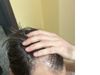
community Topical Treatment Progress
The user reported healthier, firmer, and thicker hair follicles with minimal regrowth at the front after using Regenera Activa, topical finasteride, minoxidil, tretinoin, caffeine solution, and vitamin D supplements. Hair loss has stabilized with no side effects.
community New company created by Dr. Kang-Yell Choi to commercialize PTD-DBM therapy
PTD-DBM therapy for hair loss is being developed by Dr. Kang-Yell Choi, with human testing planned in South Korea. Some clinics in the U.S. offer PTD-DBM/valproic acid therapy, but it hasn't completed trials yet.
community Treatment from July 2025 - Present
The user is experiencing hair regrowth using 1mg oral finasteride daily, Minoxidil foam twice a day, and microneedling weekly with a 1.5mm needle. They are seeking feedback and suggestions to optimize their hair regrowth.
community How can a drug which increases prolactin, cause regrowth of hair?
Minoxidil increases hair count despite high prolactin being linked to hair loss. Blocking DHT is effective, but not always necessary; HMI-115 is a promising treatment for androgenetic alopecia.
community Protein's role in hair growth is more nuanced than just quantity
Protein's role in hair growth is complex, with specific amino acids like cysteine being crucial for effective hair growth. Users discussed using l-cysteine supplements, noting reduced hair loss and faster growth, though some experienced digestive issues.