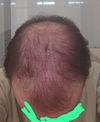
A user switched from topical to oral finasteride and is seeking additional topical treatments for hair growth besides minoxidil. They are aware of stemoxydine and caffeine solutions and are asking for more recommendations.
The user reported hair regrowth progress using minoxidil and dermapen, considering adding finasteride. Others shared experiences with minoxidil, finasteride, and microneedling, recommending finasteride for long-term results but noting potential side effects.
RU and Pyri block androgen receptors to prevent hair loss but may also hinder hair regrowth since they prevent testosterone, which can stimulate hair growth, from binding to these receptors. The user is questioning if this understanding is correct.
The user has seen hair regrowth after using oral finasteride, topical minoxidil, ketoconazole, and microneedling for three months. They are considering growing their hair out but are concerned about the appearance and the practicality of applying treatments to longer hair.
The conversation discusses hair regrowth strategies, including using dutasteride, minoxidil, finasteride, dermastamping, soy, curcumin, and possibly castor oil. Suggestions also include increasing dutasteride dosage, using oral minoxidil, topical finasteride, and tretinoin to enhance minoxidil efficacy.
The user is using topical minoxidil, topical finasteride, tretinoin cream, microneedling, and ketoconazole and caffeine shampoo for hair regrowth. They are satisfied with the progress but unsure if more regrowth is possible and are advised to continue the routine for a year.
The post discusses hair growth progress and treatments used, including finasteride, minoxidil, and various hair care products like Australian organic argan oil mask and products from dslaboratories. The user is considering switching to a finasteride and minoxidil pill combination and testing a gray hair serum.
A user shared their significant hair regrowth progress using topical minoxidil, oral finasteride, and minoxidil chews, while transitioning to generic versions. They also mentioned using batana oil and microneedling, with no side effects reported.
A user shared their hair regrowth journey using 5% minoxidil, Saw Palmetto, Pumpkin seed oil supplements, weekly Derma rolling, and daily rosemary oil treatment. They posted progress pictures comparing Day 1 and Month 1 but are unsure about regrowth.
The conversation discusses using a multimodal approach to treat androgenic alopecia, including substances like gamma-linolenic acid, DHA, sulforaphane, melatonin, cetirizine, astaxanthin, fisetin, apigenin, curcumin, limonene, genistein, and berberine. Users also mention using ketoconazole, minoxidil, and low-level laser therapy (LLLT) as part of their hair loss treatment regimens.
A non-binary transfeminine person experienced significant hair regrowth after starting finasteride, minoxidil, microneedling, and hormone replacement therapy with estradiol. They encourage trans individuals concerned about hair loss to consider estrogen as it has greatly improved their hair condition.
Finasteride is more effective for long-term hair maintenance by addressing the root cause of hair loss, while minoxidil acts as a growth stimulant with faster visible results. Combining both treatments is optimal, with oral minoxidil often showing better results for some individuals.
The user experienced hair regrowth after 4 months of using topical finasteride and minoxidil, 2 weeks of dermatolling, and possibly tretinoin. They also noted improved mental health and reduced weight training.
The user shared their hair regrowth journey since 2017, using treatments like finasteride, minoxidil, dutasteride, RU58841, microneedling, and later feminizing HRT. Significant progress was noted after starting HRT, with continued improvement in hair texture and regrowth.
Hair regrowth after 13 weeks using topical minoxidil, oral finasteride, peptide shampoo, serum, and a red light hat. Some growth is attributed to a recent hair transplant.
The user follows a hair loss treatment routine including Propecia, oral minoxidil, ketoconazole, and plans to switch to dutasteride. They also focus on lifestyle changes, dietary supplements, and are considering laser therapy.
A user shared their 1.5-year hair restoration journey, successfully using mesenchymal stem cell therapy, Platelet Rich Plasma (PRP) injections, and a topical compound of finasteride and minoxidil, avoiding a hair transplant and oral finasteride. They experienced significant hair regrowth, particularly crediting the stem cell therapy for quick initial results.
A 31-year-old male experiencing hair thinning since age 25-26 uses minoxidil, finasteride, a red laser cap, and microneedling to promote hair growth. Users suggest reducing microneedling frequency to once a week to avoid damaging hair follicles.
PP405 shows potential for hair growth, with 31% of advanced balding men experiencing over 20% increase in hair density in 8 weeks. However, skepticism persists due to selective data presentation and lack of long-term results, with comparisons to treatments like minoxidil and finasteride.
The user has been using topical minoxidil and oral finasteride for hair regrowth, noticing some improvement and baby hairs at the hairline after four months. Suggestions include continuing the current treatment, considering microneedling, ketoconazole shampoo, vitamins, and possibly RU58841, while avoiding a hair transplant.
Cold shock therapy may promote hair growth, but cold alone is not effective. Combining treatments like minoxidil, finasteride, cold showers, spicy foods, and exercise may enhance results.
The conversation discusses an individual's 8-month hair regrowth progress using topical Minoxidil, oral Finasteride, dermastamping, and rosemary keratin oil. The user shares their experience to provide a realistic update for those experiencing slow hair regrowth.
A quercetin-encapsulated and polydopamine-integrated nanosystem (PDA@QLipo) shows promise for treating androgenetic alopecia by reshaping the perifollicular microenvironment, outperforming minoxidil in hair regeneration. The nanosystem promotes cell proliferation, hair follicle renewal, and recovery by scavenging reactive oxygen species and enhancing neovascularity.
Using finasteride and peptides, including GHK-Cu, improved hair thickness and regrowth. The user also used a KLOW blend and CJC/IPA for better sleep and recovery.
The conversation discusses hair regrowth using minoxidil, with suggestions for women to use spironolactone and for men to combine minoxidil with dutasteride. Users share experiences and advice on dosage and cost-saving methods.
The post discusses a hair loss treatment regimen including oral finasteride, topical minoxidil, a rejuvenating scalp serum with caffeine, rosemary, and ginger, topical ketoconazole, saw palmetto, and derma rolling. The user seeks advice for scalp pimples and irritation.
A 19-year-old is using 5% topical minoxidil, 1.25 mg finasteride, ketoconazole, and a dermaroller for hair regrowth, noticing improvement in the frontal area. Another user suggests adding oral minoxidil and maintaining a consistent routine, emphasizing the importance of stress management and a healthy diet for better results.
The user is using a hair regrowth treatment plan that includes finasteride, microneedling, minoxidil foam, ketoconazole shampoo, and piroctone olamine shampoo. They are seeking advice on the effectiveness of their regimen and dosage of finasteride, and are curious about others' experiences with piroctone olamine.
The conversation is about hair regrowth, with the original poster using natural oils and supplements like pumpkin seed, saw palmetto, and zinc, while considering pharmaceutical options like minoxidil, finasteride, and dutasteride. Most users suggest using finasteride or dutasteride for effective results, as natural remedies are seen as ineffective.