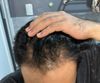
The user discusses switching from multiple vitamins to a single multivitamin pill. They also mention using oral finasteride and topical minoxidil with finasteride for hair loss treatment.
A user's experience with microneedling monotherapy and potential treatments such as finasteride, minoxidil, Stemoxydine, rosemary oil, peppermint oil, and RU58841 for reversing hair loss.
A user successfully managed finasteride-induced gyno symptoms by making lifestyle changes, including fasting, avoiding soy, and increasing cardio. They resumed finasteride with a lower dose combined with minoxidil and P7 vitamins without recurrence of symptoms.
Stemoxydine is highly recommended for hair loss, preferred over Minoxidil due to fewer side effects and dependency. The user also uses finasteride, Pur'ador shampoo, and suggests cold showers and spicy food as part of their routine.
Finasteride, minoxidil, and derma rolling are currently the best treatments for hair loss. New treatments like TDM-105795, GT20029, PP405, HMI 115, Tsuji, Scube 3, RU, JW0061, Topilutamide, and verteporfin show promise but have uncertain timelines.
Isoflavones from soybeans may help limit estrogen's effects on the body, potentially preventing gyno. However, surgery is the only way to remove gland enlargement.
Natural DHT blockers caused negative side effects like weak erections and depression, while finasteride improved overall well-being and cleared acne. Users shared similar experiences, finding finasteride effective without the adverse effects of natural treatments.
The conversation discusses skepticism about Breezula, a hair loss treatment, with the consensus that it's not a miracle cure but a maintenance drug that may work well with finasteride. Some users report side effects from finasteride, like sexual dysfunction, while hoping for better results from Breezula or RU58841 without such side effects.
The user's hair regrowth plan includes topical treatments (RU58841, azelaic acid, ketoconazole), oral supplements (Gia Herbs, castor oil), microneedling, PTD-DBM peptide with valproic acid, red light therapy, inversion table with scalp massage, and platelet-rich fibrin injections. Commenters suggest that finasteride and minoxidil are essential treatments for male pattern hair loss, which are missing from the plan.
Biotin is being misleadingly marketed as a primary treatment for androgenic alopecia, overshadowing more effective treatments like finasteride and minoxidil. There is a call for increased awareness and accountability to prevent misinformation.
The conversation discusses alternatives to minoxidil and finasteride for hair regrowth, with mentions of essential oils, PRP therapy, and RU58841. The focus is on finding treatments with minimal side effects, especially concerning fertility.
People are excited about a new hair loss treatment, PP405, and some suggest using Twitter to increase its visibility. Current treatments mentioned include finasteride, minoxidil, and dutasteride, but skepticism remains about the effectiveness of new treatments.
Exosomes are being discussed as a potential hair loss treatment, with some users skeptical about their effectiveness and stability. There is interest in different types of exosomes, including those derived from centella asiatica, and comparisons are made to other treatments like finasteride.
Stem cell treatment research shows promise in reversing hair loss in mice, but it's likely 10 years away and expensive. Current recommended treatments include minoxidil, finasteride, and hair transplants.
Inflammation plays a significant role in hair follicle miniaturization and androgenetic alopecia, with treatments like ketoconazole shampoo, minoxidil, and finasteride being used to address it. Users discuss the benefits of anti-inflammatory treatments and peptides like KPV, alongside traditional hair loss treatments, to improve scalp health and hair quality.
Breezula, a topical treatment, is anticipated to be available in the US by mid-2027 as a potential alternative to finasteride with fewer systemic side effects. There is ongoing debate about its effectiveness and some users report similar side effects to finasteride.
Low-Level Laser Therapy (LLLT) is seen as a safe and effective method for maintaining hair and promoting regrowth in androgenetic alopecia (AGA) and male pattern baldness (MPB), with devices like the HairMax LaserComb® and iRestore helmet being popular. Some users and professionals are skeptical about its long-term effectiveness and cost.
Mixing Nizoral and T-Gel in a 1:1 ratio and using it three times a week provided relief from persistent seborrheic dermatitis. This treatment is recommended for those with stubborn SD.
Breezula® (Clascoterone) showed promising results in a Phase 2 trial for treating hair loss, being as effective as Propecia with no serious side effects. It might be released between 2021-2022, and a related acne treatment with the same active ingredient could be used in the meantime.
The user is using oral and topical minoxidil, finasteride, dutasteride, and considering adding rosemary and pumpkin saw palmetto to their regimen. They report significant hair growth, especially with dutasteride, and are considering increasing their dose and adding RU58841.
A new hair loss treatment, pp405, may regrow hair better than finasteride and minoxidil, with potential availability by 2028. However, there is skepticism about its effectiveness and commercialization timeline.
A new hair growth product claims to use apple stem cells, plant collagen, and bamboo leaf extract, with a 120-day money-back guarantee. Some users are skeptical, noting the product's marketing alongside other treatments like Minoxidil, finasteride, and red light therapy.
Hormone replacement therapy with spironolactone and estradiol significantly improved hair thickness and growth, surpassing previous treatments like dutasteride, finasteride, and minoxidil. The user experienced regrowth in receded areas and a more youthful appearance.
The conversation discusses the effectiveness of an eyebrow serum containing Myristoyl Pentapeptide and Biotinoyl Tripeptide for hair growth. The user seeks information on other topical products with similar peptides for hair growth.
The conversation discusses anticipation for CB-03-01, a potential new hair loss treatment that may be more effective and have a cleaner safety profile than finasteride. Users are hopeful but cautious, discussing current treatments like minoxidil, nizoral, and dermarolling, and the possibility of combining them with CB-03-01 for better results.
The user stopped finasteride while trying to conceive and switched to oral minoxidil, ketoconazole shampoo, minoxidil foam, tretinoin, and microneedling. They are considering dutasteride mesotherapy but are unsure of its safety during conception.
A trans woman is curious about the impact of HRT on hair regrowth and scalp tension. Her current regimen includes finasteride, spironolactone, estradiol, ketoconazole, vitamin D, iron, and plans to add oral minoxidil and restart derma rolling.