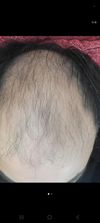
A user shared their hormone levels to gauge if they can use finasteride for hair loss without issues. Their hormone levels are mostly within the reference ranges.
The user experienced significant hair regrowth after 5 months on 0.5mg of finasteride, with no side effects except mild, temporary testicular pain. Minoxidil was used for 5 years without noticeable results, and dermastamping and rosemary oil were also mentioned as part of other users' routines.
Finasteride can cause gynecomastia, which may be reversible by stopping the drug and using selective estrogen receptor modulators (SERMs) like tamoxifen. Lifestyle changes such as weight loss and avoiding alcohol can also help, but surgery may be needed if the condition persists.
A user experienced worsened hair condition after a PRP session and is considering stopping further sessions. They are using a Dermapen, electric massage, iron, saw palmetto, and plan to start minoxidil, but have had side effects with finasteride and are advised to consider dutasteride under medical supervision.
The user experienced hair regrowth using topical minoxidil and finasteride, and later added oral finasteride for maintenance. They reported no side effects and found a specific shampoo helpful for scalp issues.
A 17-year-old is concerned about potential hair loss due to maternal genetics and wonders if treatments like Minoxidil, Finasteride, or RU58841 will be effective. They hope their paternal genetics will help prevent hair loss or make treatments more effective.
A user's successful hair regrowth journey using a cocktail of finasteride, minoxidil, and ketoconazole. The user started seeing noticeable results after 8 months and also incorporated saw palmetto, biotin, keratin, and dermarolling into their routine.
The conversation discusses hair regrowth using oral minoxidil and RU58841, with visible baby hairs appearing after two months. One user questions the choice of RU58841 over finasteride.
The user has been using Actifolic Pyrilutamide 0.5% once daily for almost three weeks without noticing any side effects or progress. Other users suggest that significant results typically take 3-6 months to appear.
A 20-year-old started using finasteride, topical minoxidil, and high-dose Vitamin D3 a month ago and is already seeing new hair growth. Others suggest adding dermastamping for better results.
A user's 5-month progress with Finasteride 1mg for hair loss, which is showing promising results; other users have suggested adding additional treatments such as Minoxidil and Derma Rolling to further boost regrowth.
The user experienced significant hair regrowth using a daily capsule containing 1mg finasteride, 2.5mg minoxidil, and 10mg biotin, with noticeable results after 3-4 months. They reported a decrease in libido as a side effect and considered switching to minoxidil only, but were advised against it.
The FDA policy change may speed up approval for hair loss drugs like PP405, VDPHL-01, and Breezula by potentially eliminating the need for a second confirmatory Phase 3 trial. Approval timelines could be as early as 2028 for some treatments if Phase 3 results are strong.
The conversation is about a user's one-year hair regrowth progress using 1.25mg of finasteride daily. Users are asking about the timeline of visible progress, the user's age, and whether they experienced shedding.
A user shares their 11-week progress using 1mg finasteride, 5% minoxidil twice daily, 0.8mm dermastamping every 10 days, occasional tretinoin, and ketoconazole shampoo for hair regrowth. They plan to continue the treatment for 9 months before considering a hair transplant.
The user has been using Finasteride 1mg daily for over 6 months, experiencing decreased shedding and denser hair, and is considering adding Minoxidil to their regimen. They also addressed a past vitamin D deficiency with supplements and are hopeful for continued hair regrowth.
The user is experiencing hair regrowth after 3.5 months using finasteride, dutasteride, oral minoxidil, dermastamping, and ketoconazole shampoo. They are hopeful about the progress but note that topical minoxidil was ineffective for them.
The conversation discusses the absorption and effectiveness of PG-free versus PG versions of RU58841, with some users believing PG improves efficacy while others see no difference. Concerns about RU58841's potential side effects on the endocrine system are also mentioned, with one user considering switching to pyrilutamide.
The user has been using 1mg of finasteride daily for 5 months, noticing hair regrowth and thickening without significant side effects. They have not used minoxidil and plan to continue with finasteride before considering additional treatments.
RU58841 helped regrow hairline without side effects for a bodybuilder using PEDs. The treatment included RU58841, finasteride, minoxidil, GKH-Cu, microneedling, and HGH.
The user is using topical Minoxidil, oral Finasteride, and daily vitamins for hair loss treatment and is happy with the progress. Others share their experiences and discuss the effectiveness and availability of these treatments.
The user used finasteride but stopped due to side effects, then used topical minoxidil for 13 months, and later added KX826/pyrilutamide for 8 months. They experienced shedding after starting pyrilutamide and use minoxidil and KX826 once daily.
The user experienced side effects from spironolactone and is seeking alternatives for androgenetic alopecia (AGA), considering saw palmetto but unsure of its effectiveness. They are also exploring the possibility of using topical spironolactone, despite availability challenges.
The post discusses a user's hair loss treatment involving Dutasteride 2.5 mg 5 times per week, Finasteride 1mg 4 times per week, RU58841 daily, and Minoxidil twice daily. A reply suggests that the combination is excessive, particularly the use of both Dutasteride and Finasteride, and labels it as a "chemical castration protocol".
The user reported tiny hair growth in thinning areas and improved thickness after 56 days of using 1 mg oral finasteride, 2.5 mg oral minoxidil, and a serum with Redensyl, Anagain, Capixyl, and Procapil. They also take supplements and maintain a healthy lifestyle with no noticeable side effects.
A 20-year-old male's significant hair growth after two months of using 0.25mg Finasteride. The discussion includes varying opinions on the effectiveness and side effects of the treatment, with some users planning to try or adjust their Finasteride dosage.
The user is using 5% Minoxidil, a 1 mm derma stamp, Vitamin D3, Zinc, and anti-dandruff shampoo for hair regrowth. They plan to consider DHT blockers like finasteride in the future.
The user is considering using dutasteride 0.5 mg daily for hair loss and is contemplating a hair transplant after a year. They are seeking opinions on progress and potential outcomes.