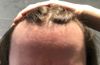
The user has been using oral and topical minoxidil, finasteride, dermastamping, and multivitamins for hair loss, with plans to consider a hair transplant in the future. They are seeing gradual improvement and are content with the progress, preferring to stick with their current regimen rather than switching to other treatments like dutasteride.
Finasteride has helped stabilize hair loss, with some users noticing visible improvement and regrowth, particularly in temple areas. Side effects of finasteride are discussed, and minoxidil is suggested as an additional treatment if hair loss resumes.
RU58841 is a strong non-steroidal antiandrogen for hair loss but may cause cardiovascular issues in some users. Alternatives like Pyrilutamide and Breezula are suggested due to better safety profiles and lower systemic risks.
The user is experiencing hair loss and is concerned about a small bald patch despite having thick hair and a full crown. They are considering starting minoxidil and finasteride to prevent further hair loss.
The user experienced significant hair regrowth using oral Minoxidil, Finasteride, and Biotin over 8 months, with most growth between November and January. Despite some skepticism, the progress is notable, and the user plans to continue the treatment.
An 18-year-old is experiencing significant hair loss and is considering starting finasteride treatment but is concerned about its effects on puberty and development. They previously tried finasteride but stopped due to side effects and are seeking advice on when it's safe to resume.
The user experienced significant hair regrowth using oral minoxidil for 2 years and finasteride for 1.5 years, with no side effects reported. They are considering derma rolling and possibly a hair transplant in the future.
A user shared their positive experience 12 months after a hair transplant with 4052 grafts and 10130 hairs, using finasteride, red light therapy, B12, biotin, and rosemary oil. They are satisfied with the results and recommend these treatments.
A 30-year-old woman with a history of anemia and low vitamin D experienced hair shedding, which improved after addressing nutrient deficiencies. Despite regrowth of terminal hairs, her dermatologist recommended treatments like minoxidil and spironolactone to prevent future bald spots, but she is cautious due to family history of hormone-related cancers.
A 48-year-old reported significant hair regrowth after two years using finasteride and minoxidil, with better results on the temples and using a dermastamp for the crown. The user experienced no side effects from the treatments.
A 24-year-old considering a hair transplant is currently using dutasteride for hair loss. They are unsure about proceeding with the transplant due to concerns about future hair loss and the need to shave their head for the procedure.
Stopping minoxidil often leads to significant hair shedding, and recovery to baseline can vary, with some users reporting no full recovery. Combining minoxidil with finasteride may help maintain gains, but stopping minoxidil typically results in losing the hair regrowth it provided.
A 19-year-old seeking advice on hair loss treatment is considering options like Minoxidil, finasteride, and RU58841. They are looking for guidance to potentially revive their hair.
A user successfully reversed hair loss over 17 months using 0.5mg dutasteride and 5mg oral minoxidil daily, noting significant improvement without a transplant. Minor side effects like headaches and testicular discomfort were reported but resolved quickly.
The conversation is about hair loss treatments, specifically oral finasteride (1.2mg) and oral minoxidil (3mg), and the user's concern about increased shedding and brittle hair after 7 months of use. It is suggested that shedding is common and may be influenced by stress, and switching to dutasteride might help, but patience is advised as results can take up to a year.
Finasteride and dutasteride may not significantly impact meibomian gland function since these glands do not rely on DHT. Some users report dry eyes and other side effects from finasteride, but these may be influenced by other factors or medications.
The conversation discusses a five-year hair maintenance routine involving microneedling, minoxidil, finasteride, biotin, and thickening shampoo. Opinions vary, with some seeing maintaining hair as a success and others expecting more visible results.
The user has been using 1.25 mg Finasteride and topical Minoxidil once a day for six months with positive results and no side effects. They emphasize the importance of continuing the medication to maintain hair regrowth and discuss the potential benefits and side effects of different dosages.
The conversation discusses alternatives to 5AR inhibitors for hair loss treatment, suggesting options like minoxidil, KX-826, pyrilutimide, microneedling, and topical bicalutamide. Concerns about side effects and the effectiveness of these treatments are also highlighted.
The user is using finasteride, minoxidil, and microneedling for hair regrowth and has noticed some improvement after nine weeks. They report no significant side effects and plan to continue the treatment to see further results.
The user switched from finasteride to dutasteride after experiencing significant hair shedding and thinning. Recently, they noticed their hair appearing thicker and their hairline improving, questioning if the switch was necessary and if the improvement is due to growth or regrowth.
The user is using topical minoxidil twice daily for hair regrowth and is hesitant to use finasteride due to concerns about hormonal effects. The conversation includes mixed opinions on the effectiveness of the treatment and suggestions to use a DHT blocker for better results.
A user shared their 3-month hair growth progress using 1mg oral finasteride, 5% topical minoxidil, and microneedling with a 1.5 mm dermaroller twice weekly. The user received positive feedback and expressed a desire for thicker hair in the future.
Revivhair serum is discussed as a potential treatment for mild hair thinning, but skepticism exists about its effectiveness without proven treatments like finasteride, dutasteride, or minoxidil. Users share experiences with various treatments, noting side effects and exploring alternatives like topical dutasteride and alfatradiol.
The user discusses using finasteride and dutasteride for hair regrowth, avoiding minoxidil due to side effects and inconvenience. They find these treatments effective without needing minoxidil.
Use topical minoxidil and dermarolling to help grow hair, but also take a DHT blocker like finasteride or dutasteride to address the underlying issue and prevent further hair loss.
The user is experiencing hair thinning despite using finasteride for three years and is considering trying minoxidil. They are seeking advice on a hairstyle, like a French crop, to manage their hair loss.
The user added 0.5mg dutasteride to their regimen of topical finasteride and minoxidil but experienced rapid hairline recession despite reduced hair fall. Suggestions included increasing the dutasteride dosage to 1mg daily to better suppress DHT and potentially adding oral minoxidil.
The user is using a hair loss regimen involving 2ddr applied twice daily, tretinoin weekly, and occasionally micro-needling. They report feeling increased scalp thickness and seeing some hair growth progress.