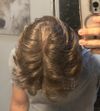
EDHARRINGTON's journey to regrow his hair using finasteride, topical minoxidil, and micro-needling treatments over 4 years, with others commenting their support and admiration for his results.
MCL-1 is important for hair follicle stem cell survival, but its impact on human hair regrowth is unclear. Minoxidil and finasteride are the main treatments, with doubts about new discoveries leading to effective human solutions soon.
A user shared their 5-month hair loss treatment progress, using 1mg finasteride, daily GHK-CU injections, keratin/biotin/MSM supplements, Pura D’Or shampoo and conditioner, Ayurvedic oil, ketoconazole thrice weekly, and weekly microneedling with topical GHK-CU. The post includes progress pictures.
A user is considering a 3-in-1 capsule containing Finasteride, Minoxidil, and Biotin for hair loss. Concerns are raised about Biotin's impact on the effectiveness of Finasteride and Minoxidil, and the cost is unclear without logging in.
GHK-Cu is discussed as a potential hair loss treatment, with claims of promoting hair growth and possibly reversing gray hair, though strong clinical evidence is limited. The user also mentions using Minoxidil, red light therapy, and microneedling.
The conversation discusses struggles with diffuse thinning and hair loss treatments, including the use of dutasteride, minoxidil, and finasteride, with limited success. The original poster regrets having a hair transplant at 21 due to weak donor hair and ongoing thinning.
The conversation discusses whether baby hairs observed after using finasteride and minoxidil will grow into terminal hairs, with mixed experiences and opinions shared on the effectiveness of these treatments for hair regrowth. Some users report positive results, while others are skeptical about the potential for significant change.
The conversation is about trying Keratin Microsphere products for hair loss, specifically SAF 100 Pro, but no noticeable results were observed. The user also mentioned using a Hairclub wand.
A user shared impressive hair regrowth results after 4 months using topical minoxidil, oral finasteride, and 3 PRP sessions. They plan to continue with these treatments and add dermastamping.
A user in their mid-30s experienced unexpected hairline regrowth after starting a new supplement stack, despite being on a regimen of finasteride, minoxidil, and Nizoral for over four years. The new supplements include Tongkat Ali, Fadogia Agrestis, Panax Red Ginseng, Vitamin B1, Vitamin D3, Zinc Picolinate, Magnesium Glycinate, Maca, and L-Citrulline.
The post discusses hair loss treatments, specifically using large amounts of finasteride, minoxidil, and micro-needling. The comments suggest various other remedies, like monkey oil, rosemary oil, and biotin, while some advise to embrace baldness and focus on confidence.
A 27-year-old is using finasteride, minoxidil, microneedling, and Pilexil shampoo to combat hair loss, with plans to add Nizoral shampoo and light stimulation. Initial results show reduced hair loss and some hair thickening, despite a period of shedding.
The user is using a combination of RU58841, Stemoxydine, RevivHair Serum, hair growth oil, topical Minoxidil, Alfatradiol, oral Minoxidil, and Finasteride to treat hair loss. They report no side effects from oral Minoxidil and Finasteride after 7 months of use.
A user shared progress pictures showing significant hair regrowth from using 1mg finasteride, Minoxidil, vitamins, and dermarolling over 4 months. The user reported no side effects and takes a generic multivitamin and biotin.
The user shared progress pictures showing hair loss improvement after using finasteride for about a year and plans to get a hair transplant in May, while also considering adding minoxidil to their treatment. They also mentioned using Nizoral and Neutrogena for dandruff, which may be related to the hair loss treatment.
The conversation jokes about hair loss treatments, mentioning finasteride, minoxidil, dutasteride, microneedling, ketoconazole shampoo, and rosemary oil as if they were players in a game. Some users also discuss the use of finasteride for prostate issues and the possibility of splitting the dose.
Hair loss is primarily genetic, and nutrient deficiencies are unlikely to be the cause. DHT inhibitors can slow hair loss, but concerns about side effects are common.
The user is experiencing hair loss at the hairline and is using finasteride, but considering minoxidil due to lack of improvement. Replies suggest that minoxidil may be more effective for hairline maintenance, especially when used in combination with finasteride.
Hair loss treatments, including finasteride, minoxidil, and herbal supplements, with a humorous tone. Users discuss the challenges and sacrifices of hair loss and hair restoration efforts.
User experienced hair regrowth and no side effects after 10 weeks on 0.25mg finasteride daily, along with biotin, collagen, micro-needling, and hair oil. They stopped minoxidil due to inconvenience and noticed initial shedding but now see more fullness.
The user is experiencing hair thinning and shedding despite no family history of male pattern baldness. They are considering starting treatments like Minoxidil or finasteride.
PP405 increased hair density by 20% in 31% of participants, but results are considered underwhelming. Minoxidil and finasteride are seen as more effective treatments.
Hair loss discussion includes treatments like Minoxidil, Finasteride, and RU58841. Conversation highlights double standards with hair fibers and women's wigs/makeup/extensions/eyelashes.
The conversation is about a user concerned about hair thinning despite using finasteride, minoxidil, RU58841, and recently adding dutasteride. Most responses suggest there is no noticeable difference in hair loss, attributing concerns to paranoia, and recommend continuing the current treatment or adjusting expectations.
A user's progress with treating their hair loss by using Minoxidil twice daily and finasteride once daily, as well as suggestions to add microneedling and avoid tying the hair back.
The conversation discusses hair loss, genetics, and treatments like Dutasteride. It highlights the influence of genetics on hair loss, noting that indigenous people are less prone to it.
Finasteride is effective for DHT/AR-driven hair loss but not for chromosome 20-driven cases, where treatments like minoxidil, prostaglandin analogs, and low-level laser therapy may be more beneficial. Genetic testing can help determine the underlying cause of hair loss to tailor treatment effectively.
Low iron and ferritin levels can contribute to hair shedding, and low ferritin can reduce the effectiveness of finasteride. Supplementing iron and vitamin D can help improve hair growth and overall health.
A user shared 4-month progress pictures using a daily Hims fin/min/ketoconazole/biotin hybrid spray for hair loss, reporting positive results. Suggestions included adding microneedling to the routine.