TWIST-1 gene's role in hair loss and potential as a treatment target. Inhibiting TWIST-1 may prolong hair growth and reduce hair follicle sensitivity to DHT.
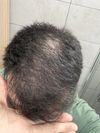
The user shared their hair loss journey, using 0.5mg finasteride, topical minoxidil, and dermarolling initially, then increasing to 1mg finasteride and adding 2.5mg oral minoxidil. They experienced significant regrowth but are currently facing a prolonged shedding phase, hoping for stabilization and regrowth.
The user plans to treat hair loss with topical minoxidil mixed with caffeine and melatonin, keto shampoo, and oral saw palmetto. They aim to stimulate hair growth, block DHT, and prolong the growth phase without using finasteride or dutasteride.
Finasteride's potential side effects, especially sexual dysfunction, are discussed, with emphasis on hormonal balance between testosterone and estradiol. Users share experiences with finasteride, minoxidil, and dutasteride, highlighting the variability in side effects and the influence of mindset and lifestyle.
Users discuss potential game-changing hair loss treatments in the next 10 years. Some mention KX-826, SCUBE3, and stem cells as promising options, while others express doubt due to past disappointments and lack of focused research.
A 21-year-old male used low-dose 5% topical Minoxidil inconsistently for four months, resulting in stopped hair shedding and improved hair density, though the hairline remained unchanged. Users discussed the potential use of finasteride and other treatments, with some suggesting consulting a dermatologist for further advice.
Nizoral shampoo significantly reduced hair fall and improved hair thickness for a user, but initially caused dryness which was remedied by using conditioner. The user is satisfied with the results from Nizoral.
A dermatologist recommended a new supplement containing annurca apple, which reportedly doubles hair density and increases keratin after 60 days, to be used with finasteride. Some users are skeptical, considering it potentially ineffective or a marketing ploy, while others are open to trying it if it proves effective and affordable.
A 25-year-old male with androgenetic alopecia experienced improved hair condition after using finasteride, oral minoxidil, and dutasteride, but later faced diffuse thinning and texture deterioration after a shedding phase. Others suggest patience, continued treatment, and using ketoconazole shampoo, with some sharing similar experiences of post-shed thinning.
The user is experiencing breast tenderness and lumps after three weeks on 0.5 mg oral finasteride, a common side effect. They also report mild brain fog and fatigue but are less concerned about these symptoms.
A 21-year-old is experiencing aggressive hair loss and questions the effectiveness of finasteride after 45 days of use, with high DHT levels. A user advises that scalp DHT, not serum DHT, is important for hair loss assessment, and suggests monitoring hair improvement over time.
Minoxidil and finasteride can cause initial hair shedding before improvement, as new, stronger hairs replace the old ones. Users advise patience, as results vary and improvement may take time.
The user has been using Minoxidil and finasteride for a year with good progress but is now experiencing increased hair shedding. They are concerned and questioning if this is normal or a cause for worry.
Oral minoxidil can boost hair growth but may cause side effects like heart palpitations and increased body hair. Many prefer topical minoxidil due to fewer side effects.
KX-826 initially improves hair growth but declines after 24 weeks, with mild itching as a side effect. Combining it with minoxidil and finasteride may improve results, but long-term effectiveness is uncertain.
Topicals like minoxidil and finasteride should reach the scalp, but excessive massaging can cause hair to fall out. The evaporation felt is likely the carrier substances like alcohol or propylene glycol.
A man struggled with hair loss from age 18, tried various methods without success, and finally sought medical help at 23. He was prescribed oral finasteride, topical minoxidil, and Nizoral shampoo, which after two years of consistent use, significantly improved his hair condition.
The conversation discusses androgenetic alopecia (AGA) and questions why treatments focus on lowering DHT levels instead of building resistance to it. It also touches on hair transplantation techniques using body hair.
PCOS female visited doctor for hair loss concerns, prescribed spironolactone and minox 5%. Doctor advised against finasteride or dutasteride, user considering self-medication with dutasteride.
A 32-year-old man had a successful hair transplant in Atlanta, using 1mg finasteride and 5% topical minoxidil daily, which greatly improved his confidence and appearance. He spent about $13,000 and is very satisfied with the youthful results and increased happiness.
RU58841 should be stored in the refrigerator to maintain efficacy, but it remains stable for over two years even without refrigeration. A user prefers using Minoxidil and finasteride instead.
Norwood 7 hair loss is often excluded from trials to ensure treatments appear more effective and to reduce costs. Some believe treatments effective for Norwood 5 could work on Norwood 7, but companies prioritize market readiness.
A 35-year-old is seeking advice on hair loss treatments, considering minoxidil, finasteride, and possibly a hair transplant in Turkey. They have previously tried microneedling for a year.
The user is using oral finasteride and minoxidil 2mg for hair loss and is considering adding a scalp serum with caffeine, but is concerned it might interfere with minoxidil. They seek advice on maintaining a hydrated, non-oily scalp.
The user plans to use a "nuclear protocol" for hair improvement, including topical minoxidil 12.5%, topical finasteride 0.1%, and tretinoin 0.05%, with microneedling once a week. They have seen improvements with minoxidil and are seeking opinions on their approach to achieve thicker hair.
PP405 shows significantly better early-stage hair regrowth results compared to minoxidil and finasteride, with 31% of users experiencing over 20% density increase in 4–8 weeks. Minoxidil and finasteride show minimal or no visible regrowth in the same timeframe.
The user experienced noticeable hair regrowth after using minoxidil and stemoxydine together, despite initial shedding. They believe stemoxydine helps hair grow back faster, working well with minoxidil.
OP is using 0.5mg dutasteride, 5mg biotin, 5% topical minoxidil twice daily, and dermarolling 1-2 times a week for hair loss. OP reports no side effects and is happy with the progress after 5 months.
User experienced significant hair regrowth after 4 months using Dutasteride, Minoxidil, castor oil, rosemary spray, Ketoconazole, and microneedling. Others praised the impressive results and attributed them mainly to Dutasteride.