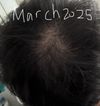
Pyrilutamide Phase 3 approved, starting early 2022 with 416 subjects for 24 weeks. Drug potentially better than RU and Breezula, with some users reporting no side effects.
Hair loss may be linked to the TRPS1 gene and protein, not just DHT. Amplifica's AMP-303 targets mesenchymal stem cells and shows promise in treating hair loss, unlike Pelage's PP405.
A user shared their success in getting a prescription for 0.1% Alfatradiol, a topical treatment for hair loss similar to finasteride but with fewer side effects. They found a pharmacy to compound it and will update on the results.
The conversation discusses alternatives to minoxidil for beard growth, focusing on a product called Neofollics Beard Growth Serum, which claims to be effective without using minoxidil. Concerns are raised about its ingredients and effectiveness, especially considering pet safety.
Lichen Planopilaris (LPP), a form of permanent hair loss, which can be mistaken for seborrheic dermatitis and is characterized by scalp itching, burning, redness, and dandruff. Treatment options discussed include steroidal creams, finasteride, minoxidil, and RU58841.
The conversation is about using PTD-DBM and valproic acid for hair loss. The user is inquiring about the dosage of these treatments, noting that valproic acid is used at a 7.5% solution.
OP has been using alfatradiol and a mix of rosemary, peppermint, and jojoba oils for hair loss, with inconsistent dermapen sessions. They plan to add topical finasteride at 0.025% later.
Investing in pharmaceutical products to treat hair loss and the potential risks associated with that, as well as other treatments such as Minoxidil, Finasteride, RU58841, and a COVID-19 booster.
The user discusses using Minoxidil for hair loss and is considering RU58841 to reduce excessive oil production. They seek advice on RU58841's effectiveness in blocking sebum production.
Breezula (clascoterone) initially performed better than finasteride for hair loss but then effectiveness decreased almost back to baseline after 6 months, raising questions about its strength.
Verteporfin shows promise in donor hair regeneration after 84 days. Combining Finasteride, Minoxidil, and Pyrilutamide with unlimited hair transplants is seen as a potential near-cure for hair loss.
L. reuteri, a probiotic, is being explored for its potential benefits in treating androgenic alopecia, possibly enhancing finasteride's effects and reducing inflammation. The user combines this with finasteride, oral minoxidil, and other supplements, noting some improvement in hair loss.
RU58841, a potential hair loss treatment, was not commercialized due to marketability issues and lack of long-term safety data. Concerns about its formulation and delivery methods further complicate its use.
The user is using oral minoxidil for hair growth and is considering adding topical latanoprost, but is concerned about potential eye color change. They are seeking advice on the effectiveness of latanoprost for hair thickening and the risk of eye color change.
A user discusses a novel hemp extract for hair regrowth, which showed superior results to finasteride and minoxidil. The formula includes CBD, CBDV, THCV, delta 9 THC, cannabigerol, and cannabinol, combined with menthol, peppermint oil, ethanol, Emu oil, HFA 134A propellant, and dimethicone.
The user is considering RU58841 and has been using dutasteride since age 17. They are seeking affordable SARD options, mentioning ASC-J9, GT20029, and AH001.
A phase 3 trial for Breezula (clascoterone solution) to treat male pattern hair loss has been listed, with 726 participants and a completion date of January 2025. Other treatments mentioned include Aneira Pharma's combination of minoxidil and latanoprost, Triple Hair's combination of minoxidil, latanoprost, and finasteride, and a new microneedling and LLLT device called StimuSIL.
RU58841 is preferred over finasteride for blocking DHT on the scalp, especially for those with aggressive MPB. Creatine is associated with increased hair shedding, even when using RU58841.
The user is hesitant to use finasteride due to potential hormonal side effects and is waiting for the release of pyrilutamide, a new hair loss treatment. Other users suggest trying finasteride, warning about potential regret if hair loss progresses in the meantime.
The user used Kirkland brand minoxidil foam twice daily for a year and noticed initial progress, but feels they might be losing progress or experiencing shedding. They are considering starting finasteride but prefer to avoid it and are seeking hair styling advice.
A user with diffuse thinning shares a tip for improving hair appearance by using a shea butter and coconut oil serum from Trader Joe's at night. They are on finasteride and considering adding minoxidil for better results.
The user has been on finasteride for 1.5 years with good results but avoids minoxidil due to pet safety concerns. They're considering alternatives like Redensyl and natural remedies like rosemary oil and stinging nettle tincture for hair loss.
The conversation discusses alternative and unorthodox hair loss treatments, including RU58841, nandrolone, and dianabol, as well as theoretical approaches involving high doses of estrogen and selective estrogen receptor modulators. These methods are considered extreme and potentially harmful but are explored for those unable to tolerate traditional 5-alpha reductase inhibitors.
Alternatives to finasteride for hair loss include minoxidil, alfatrodial, fluridil, pyrilutamide, and Nizoral. These treatments may not be as effective as finasteride but can help slow hair loss progression.
Breezula's phase 3 results are expected in July or August, with commercialization possibly in two years. There are concerns about delays and effectiveness, and the cost may be high.
Minoxidil, finasteride, and dutasteride are effective for hair loss. Alternative treatments like oils and supplements are less effective and more costly.
RU58841 had mixed results for hair regrowth, with some users experiencing no change and others noting regrowth but also side effects like libido issues and chest pain. Some users combined it with other treatments like finasteride and dutasteride, with varying effectiveness.
The user experienced sexual side effects after starting finasteride and later switched to dutasteride, noticing hormonal changes. They are considering using P5P and possibly aromatase inhibitors to manage high prolactin and estradiol levels.