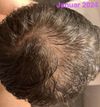
A 22-year-old male has been using Minoxidil for 2.5 years and Finasteride for 8 months without significant improvement in hair loss. Despite adding supplements and other treatments, hair density remains low, and he seeks advice on further options.
Creatine may worsen hair loss in some, especially with androgenic alopecia, but evidence is mixed. Some users experience no hair loss when using creatine with minoxidil and finasteride, while others notice increased shedding.
The conversation is about a user's positive experience with hair regrowth using 1mg finasteride and 2.5mg oral minoxidil, noting improvements in scalp and eyebrow hair. The user mentions minimal side effects, such as a slight increase in heart rate, and prefers oral minoxidil over topical due to ease of use.
A user successfully regrew hair using finasteride, minoxidil, ketoconazole shampoo, biotin supplements, and rosemary mint oil, despite initial side effects. They highlighted the need for commitment, a healthy lifestyle, and being a "hyper responder" to treatments.
The user has been using finasteride and dutasteride for hair loss but is experiencing low energy and motivation, possibly due to high prolactin levels. Despite treatment, hairline recession continues, and the user is considering the impact of low DHT levels on overall health and energy.
A user is worried about hair loss despite using finasteride, oral minoxidil, and keto shampoo for two years and is considering switching to dutasteride. Responses suggest patience, lifestyle changes, or trying additional treatments like microneedling.
A user reported impressive hair regrowth after 5 months using finasteride 1mg daily, topical minoxidil 5% twice a day, and microneedling. They initially experienced shedding but now have minimal hair loss and no sexual side effects.
A user shared positive hair growth results using finasteride, minoxidil, ketoconazole shampoo, and vitamin supplements over 7 to 11 months. They discussed application tips and side effects with others.
A 21-year-old male experienced initial success with finasteride for 16 months but is now losing hair again. He is considering switching to dutasteride and adding oral minoxidil, while also investigating environmental and health factors.
Significant hair regrowth and increased confidence after using 1 mg finasteride for 6 months and 5 mg oral minoxidil for 3 months. No major side effects, except unwanted hair growth near temples and eyebrows.
A bodybuilder's hair transplant appears unnatural with a straight hairline and low density, possibly worsened by not using finasteride. The Turkish clinic is criticized for poor design, and the transplant may have been free for promotion.
The user experienced significant hair regrowth using a topical solution of minoxidil 5% and finasteride 0.1% over 100 days, with plans to continue for a year before switching to a maintenance dose. Despite skepticism from others about using hair fibers, the user insists on the authenticity of their progress and reports no side effects from the treatment.
A user experienced significant hair regrowth after using 1mg of finasteride daily for a year, avoiding minoxidil due to its toxicity to cats. They attributed success to quitting smoking, a better diet, and reduced stress, with only watery semen as a side effect.
The user experienced positive hair growth results using oral minoxidil and finasteride initially, then switched to dutasteride and higher-dose minoxidil. They plan to try topical minoxidil foam to improve the crown area and reported increased libido with dutasteride.
Finasteride users discussing creatine's impact on hair loss. Most believe creatine doesn't significantly affect hair, with some reporting no issues and others experiencing thinning.
A 24-year-old experiencing hair loss received advice from four dermatologists, with most recommendations focusing on using minoxidil and finasteride. The consensus among users was to start with finasteride and consider adding minoxidil later, while expressing concerns about potential side effects.
Finasteride users have mixed experiences with creatine; some experience increased hair loss, while others do not. Finasteride's DHT-blocking effects might counteract any DHT increase from creatine, but individual responses vary.
Checking vitamin and hormone levels is important for addressing hair loss, as deficiencies in vitamin D, zinc, and iron can affect hair growth. Treatments like finasteride, minoxidil, and vitamin supplements are used, but addressing deficiencies is crucial for effectiveness.
Hair loss treatments like finasteride and minoxidil need time to work, often taking months. Patience and realistic expectations are crucial for success.
The user experienced minor hair regrowth after three months using chewable minoxidil and finasteride, but had to stop dutasteride due to severe side effects. They added topical minoxidil and microneedling to their routine and are considering topical anti-androgens for further improvement.
Poor diet and lifestyle contribute to male pattern baldness. Treatments like Minoxidil, dietary changes, and lifestyle adjustments may help slow hair loss.
The user experienced significant hair regrowth after 2.5 years of using Minoxidil 5% and hormone replacement therapy (HRT) with Lupron, despite initial scalp irritation. Finasteride was ineffective for them.
The user experienced male pattern baldness starting at 18, tried finasteride with no success, and switched to dutasteride, which halted hair loss. Minoxidil had no effect for them, while their brother, who didn't use AR inhibitors, maintained a juvenile hairline and successfully grew a beard with minoxidil, highlighting the unpredictable nature of genetics in hair loss and treatment response.
A 30-year-old male saw significant hair regrowth after 8 months using minoxidil, finasteride, microneedling, and Nizoral shampoo. He experienced no side effects from finasteride and credited his success to this regimen.
The conversation discusses the positive effects of taking finasteride (Propecia) for hair loss, with users sharing experiences of minimal side effects and improved hair growth over several years. The original poster emphasizes the importance of consistent use and mentions using Nizoral shampoo occasionally.
Some people avoid finasteride due to side effects but engage in unhealthy habits. Minoxidil and finasteride are common hair loss treatments, with varied side effect experiences.
An 18-year-old with hair thinning is using minoxidil and considering stopping creatine due to concerns about increased DHT and hair loss. Opinions on creatine's impact are mixed, and the user plans to stop it until they can access topical finasteride.
Androgenetic alopecia is caused by DHT affecting hair growth. Finasteride and minoxidil are used to manage hair loss by blocking DHT and promoting hair growth.