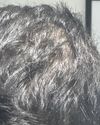
Significant hair regrowth was achieved using Minoxidil, Dutasteride, and derma stamping. The user noted improved hair quality and thickness with no side effects.
A permanent hair loss solution could involve reprogramming hair follicles to resist DHT using mRNA and siRNA. However, high costs, safety concerns, and the pharmaceutical industry's preference for ongoing treatments over one-time cures are major obstacles, with finasteride and minoxidil remaining standard treatments.
There is no permanent cure for hair loss; treatments like finasteride, minoxidil, and hair transplants require ongoing use and are not universally effective. Genetic complexity and financial incentives for ongoing treatments hinder the development of a definitive cure.
A user shared their experience of using finasteride for hair loss from ages 29 to 37, stopping due to side effects like low libido, and later starting testosterone therapy, which improved their well-being. The discussion includes various opinions on the effects of finasteride and testosterone on hair loss, libido, and overall health, with some users questioning the correlation between finasteride and low testosterone.
The user shared a 4-year hair loss treatment update using oral minoxidil and dutasteride, reporting significant hair regrowth and improved hair quality. They started with finasteride before switching to dutasteride and experienced fast results in the first year, with continued improvements in hair thickness over the past two years.
Using both finasteride and dutasteride for hair loss is debated, with some seeing it as beneficial during transition, while others find it redundant and risky. Oral minoxidil raises concerns about blood pressure, with a preference for topical use and microneedling for better results.
The user is using topical Minoxidil 5% and Finasteride 0.1% for hair loss and is concerned about potential side effects of oral treatments due to a history of depression and testosterone replacement therapy. Other users suggest that oral Finasteride may be more effective, but results typically take several months to a year to become noticeable.
The user has maintained hair thickness using oral finasteride and minoxidil for four years, with suggestions to consider dutasteride or a hair transplant for further improvement. Some users recommend trying topical minoxidil with tretinoin or increasing the oral minoxidil dose for better results.
A user shared their experience with hair loss, initially using oral finasteride and minoxidil but experiencing side effects like low libido and ED. They switched to a topical finasteride and minoxidil combination, which improved their hair thickness with fewer side effects.
Significant hair regrowth was achieved over six years using Minoxidil, Finasteride, and daily 0.25mm dermarolling. Finasteride had the most significant impact, with no reported side effects.
The user experienced stable hairline but diffuse thinning after switching from oral finasteride to a topical solution of minoxidil and finasteride. They are concerned about the effectiveness of the topical treatment and are considering other options due to a recent decline in hair density.
PP405 is ineffective for miniaturized, fibrosed hair follicles in androgenetic alopecia. AMP303 may activate hair follicle stem cells, but minoxidil and finasteride are still the main treatments.
PP405 is being discussed as a potential hair loss treatment, possibly more effective than minoxidil. There are concerns about its effectiveness and product contamination, but some users report early signs of hair regrowth.
Finasteride and minoxidil are commonly used for hair loss, with RU58841 and microneedling also showing effectiveness. Oral minoxidil and dutasteride are noted for their impact, while side effects and alternative treatments like ketoconazole and natural DHT blockers are discussed.
A 24-year-old experienced improved hair growth using 5% minoxidil, 1 mg finasteride, and dermastamping, but faced side effects like low libido and mild erectile dysfunction. They plan to reduce finasteride dosage after full results and may consider a hair transplant if thinning recurs.
A user purchased an expensive hair loss treatment called Follicopeptide, which many others in the conversation believe to be a scam, suggesting instead the use of proven treatments like minoxidil and finasteride. Some users report positive effects from Follicopeptide, but skepticism remains high due to lack of transparency about its ingredients and the company's credibility.
The user experienced intensified hair thinning after 10 years on finasteride and saw little improvement after switching to oral minoxidil and dutasteride for 8 months. Suggestions included continuing dutasteride for another 6-8 months, considering additional treatments like topical finasteride, and evaluating nutrition and other potential causes of hair loss.
A user shared their 3-month progress using topical Minoxidil 5% and oral Finasteride 1mg daily, along with ketoconazole shampoo and derma stamping, reporting significant hair growth without side effects. Some users doubted the results, while others discussed potential side effects of Finasteride and alternative treatments.
A 46-year-old man is using minoxidil, finasteride, and derma rolling for hair regrowth but is unsure of the results and considering a hair transplant. Many suggest he looks good bald and recommend continuing treatment or trying scalp micropigmentation.
A 24-year-old reported new hair growth on temples after 3.5 months of using topical minoxidil without shedding. They plan to add finasteride to maintain progress, as minoxidil alone may not be enough long-term.
Minoxidil and finasteride have not improved the user's hairline after a year. Suggestions include trying dutasteride, microneedling, or considering a hair transplant for better results.
Hair loss is linked to DHT, with treatments like finasteride and minoxidil being common but not definitive. Economic interests influence research, and there is potential for new treatments like PP405 and RU58841.
Finasteride increased testosterone and estrogen, stopped hair loss, and promoted regrowth. Users discussed side effects like libido changes and considered adding minoxidil and aromatase inhibitors.
A pharmacy student proposed a hair loss treatment using minoxidil, finasteride, clascoterone, and tretinoin, aiming for high effectiveness with minimal side effects. Reactions were mixed, with some questioning its feasibility and others showing interest.
A 20-year-old is experiencing hair thinning and seeks advice on starting treatment and regrowing hair. They are considering using Minoxidil, finasteride, or RU58841.
A peptide-based hair loss treatment, PP405, reportedly increased hair density by 62% in 90 days, but these claims are unverified and met with skepticism. Users compared PP405 to Minoxidil and Finasteride, expressing doubts about its effectiveness without more evidence.
The conversation is about a user experiencing hair shedding after switching from finasteride to dutasteride and increasing their oral minoxidil dose. The user is advised to continue with the current treatment, consider adding topical minoxidil, and consult a dermatologist for potential underlying issues.
A 26-year-old is experiencing hair loss despite using minoxidil and dutasteride. Suggestions include shaving his head, trying oral minoxidil, or considering a hair transplant.
Creatine may cause hair shedding in some individuals, particularly those with genetic sensitivity to hair loss, but this is not universally experienced. Finasteride users report mixed results, with some experiencing resumed shedding when taking creatine.