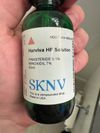
Dr. Bloxham's 9-month update on FUT scar revision with Verteporfin shows promising results. Excitement is high for FUE, which appears highly effective based on Dr. Barghouthi's findings.
PP405 shows promise in hair loss treatment, but stem cell therapy using adipose-derived stem cells and ATP also successfully reversed androgenetic alopecia in mice. Stem cell therapy is costly, and some doubt the effectiveness of PP405 based on press releases.
Verteporfin is being discussed for its potential to regrow hair and heal scars, possibly aiding hair transplants or replacing them. Some users are skeptical about its effectiveness, while others suggest combining it with microneedling for better results.
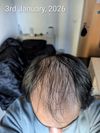
The user shared progress pictures of hair growth over several months using dutasteride, finasteride, oral minoxidil, and ketoconazole. They asked for feedback on their progress, while another user suggested using a derma pen and mentioned personal experiences with hair treatments.
The user has been using oral minoxidil, dutasteride, RU58841, and other treatments for hair loss over nine months, seeing some improvement in hair thickness and crown volume but continued thinning at the hairline. They plan to continue treatment for another nine months despite being sensitive to DHT fluctuations and are considering increasing dosages or other options like a hair transplant.
Significant hair regrowth was achieved using 1mg finasteride and 5% topical minoxidil over 14 months, with only initial shedding and mild scalp irritation as side effects. Consistency and early treatment are recommended for optimal results.
PP405 is expected to be a promising addition to hair loss treatments, potentially working well with existing treatments like finasteride and minoxidil, but not as a standalone solution. Users are hopeful for its effectiveness, especially in combination with other treatments, though expectations vary.
The user has tried topical minoxidil and a Hims spray with finasteride and minoxidil, but experienced no hair regrowth. They are considering switching to oral minoxidil, oral finasteride, or both, after consulting dermatologists and receiving a low DHT blood test result.
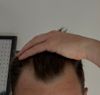
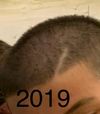
A 24-year-old is considering a hair transplant but is hesitant due to cost and finding his shaved head looks better than expected. He plans to try finasteride to improve hair density after unsuccessful attempts with minoxidil and dutasteride.
There is no permanent cure for hair loss; treatments like finasteride, minoxidil, and hair transplants require ongoing use and are not universally effective. Genetic complexity and financial incentives for ongoing treatments hinder the development of a definitive cure.
A 38-year-old male is experiencing temple hair loss and is considering treatments like topical Finasteride and Minoxidil, despite concerns about side effects and shedding. He is also contemplating a hair transplant and seeking advice on additional shampoos or supplements.
The user reported progress in hair growth after 7 months using dutasteride, oral minoxidil (2.5 mg once daily), and Nizoral, noting improvements in hair thickness and density. The user experienced no side effects and plans to continue the treatment.
A 24-year-old experiencing severe hair thinning has been using minoxidil for 2 years but is still shedding hair. A doctor recommended plasma treatment over a DHT blocker for better and healthier results.
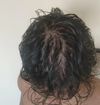
The user shared their successful hair regrowth journey using a combination of oral Dutasteride and a topical mix of Finasteride, Minoxidil, Tretinoin, and Ketoconazole. They experienced no side effects and noted significant improvement, except for one persistent thinning area.
A 21-year-old is using oral finasteride, minoxidil, and vitamins to address hair loss, showing some progress after two months. Many suggest shaving his head for a better appearance and easier progress tracking, while continuing the treatment and considering additional options like microneedling and Nizoral shampoo.
A 33-year-old woman experienced significant hair loss and found relief using Mary Ruth’s liquid morning multivitamin + hair growth and Nioxin shampoo and conditioner. She noticed reduced shedding and longer hair growth after three months of use.
A woman experienced increased body hair and acne with minimal hair improvement after switching from topical to oral minoxidil. Suggestions included reducing the oral dose, trying spironolactone, returning to topical minoxidil, or considering laser treatment for body hair.
The user is using oral and topical minoxidil, along with dutasteride, ketoconazole shampoo, fish oil, pumpkin seed oil, B complex, and other treatments, seeking better hair regrowth results. They are frustrated with the lack of substantial regrowth despite an aggressive routine and are asking for advice on using both forms of minoxidil.
The user experienced intensified hair thinning after 10 years on finasteride and saw little improvement after switching to oral minoxidil and dutasteride for 8 months. Suggestions included continuing dutasteride for another 6-8 months, considering additional treatments like topical finasteride, and evaluating nutrition and other potential causes of hair loss.
The conversation discusses hair loss and its potential link to caffeine consumption, with the original poster experiencing increased shedding after consuming more coffee. They mention being a non-responder to finasteride and plan to reduce coffee intake, while others suggest various factors like stress, physical exertion, and medication changes could also contribute to hair loss.
The user is using minoxidil, finasteride, dutasteride, and clobetasol, along with needling, to combat hair loss. They are considering stopping treatment if no improvement is seen.
The user is seeking advice on hair transplant techniques and surgeons to reshape a natural widow's peak into a more rounded hairline, preferring long hair transplants with minimal scarring and maximum density. They are currently using finasteride and oral minoxidil, which have not been effective, and are considering various surgeons primarily in English-speaking countries and the EU, excluding Turkey.
A person is seeking advice on saving their thinning crown and hairline before their wedding, currently using a topical solution with 0.1% finasteride and 7% minoxidil. They are open to trying oral treatments and are considering using Hims for convenience, with no cost concerns.
A 31-year-old man from India is starting a hair loss treatment routine using finasteride, minoxidil, ketoconazole shampoo, and supplements for vitamin deficiencies. He is considering switching to oral minoxidil and possibly using Redensyl serum, while also exploring the effectiveness of dutasteride compared to finasteride.
The user is seeking a doctor to prescribe finasteride for a receding hairline and thin hair, considering using minoxidil and supplements as well. Suggestions include using telehealth services or local doctors for prescriptions and exploring non-surgical treatment options with dermatologists.
The conversation discusses hair loss treatments, specifically using finasteride, minoxidil, and vitamin B5. Users share experiences and joke about the names of the medications.
The user is experiencing hair loss likely due to anemia and nutrient deficiency, and is considering using Minoxidil or non-drug treatments like coffee rinses while improving their diet and taking supplements. They are unsure if Minoxidil will be effective for this type of hair loss and are concerned about potential side effects.
The user has been using finasteride for years with little regrowth and recently started using Cécred edge drops, which have significantly improved their scalp condition. Another user mentioned combining Cécred with derma stamping for better results.
A user is seeking an online prescription for finasteride after local dermatologists recommended alternatives like vitamins, caffeinated shampoo, and minoxidil. Another user suggests using Mobidoctor to obtain the prescription.
The user experienced hair loss since 2021, tried various treatments, and is currently using oral minoxidil and finasteride since December 2024. They are experiencing shedding, which is common when starting or stopping treatments, and are advised to continue the current regimen as it may stabilize over time.