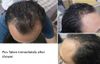
Finasteride, minoxidil, dermarolling, and topical antiandrogens are effective for hair regrowth. Future treatments may include CB0301 and hair cloning.
A 29-year-old male experienced significant hair regrowth over 8 months using a protocol of oral Minoxidil, Dutasteride, Pyrithione Zinc Shampoo, and peptides GHK-CU, BPC-157, and TB-500. The treatment led to improved scalp coverage, reduced hair loss, and thicker hair, although results may vary for others.
A 31-year-old man from India is starting a hair loss treatment routine using finasteride, minoxidil, ketoconazole shampoo, and supplements for vitamin deficiencies. He is considering switching to oral minoxidil and possibly using Redensyl serum, while also exploring the effectiveness of dutasteride compared to finasteride.
Dutasteride mesotherapy is discussed as a hair loss treatment, with opinions on its effectiveness compared to oral dutasteride. The treatment is noted for being expensive, potentially painful, and more popular in Europe, with some users questioning its advantages over traditional methods.
User visited derma doctor, suggested finasteride, minoxidil, multivitamins, and PRP therapy. Another user advised against PRP due to cost and ineffectiveness.
Dutasteride Mesotherapy for hair loss is discussed, noting its potential to lower scalp DHT without side effects. Concerns include the inconvenience of injections, lack of reputable studies, and availability issues.
A user who underwent exosomes treatment for hair loss and reported their experience, with other users discussing the procedure and offering advice. They discussed options such as finasteride, minoxidil, RU58841 and hair transplants.
The user experienced worsening hair loss after switching treatments and is now using generic minoxidil and finasteride. They are considering continuing finasteride, trying dutasteride, or combining treatments like mesotherapy for better results.
Hair loss treatments like finasteride, minoxidil, and dutasteride are popular but often lead to side effects and mixed results. The discussion stresses consulting medical professionals and being wary of unproven treatments in the hair loss industry.
A 23-year-old male experiencing worsening hair loss has tried topical Minoxidil, Finasteride, Progesterone, Hydrocortisone butyrate, and Ketoconazole. He is considering switching to oral Finasteride due to concerns about side effects and lack of improvement.
New potential hair loss treatment uses molecules from hairy moles to stimulate follicle growth. Topical solution requires less frequent application, like Botox injections a few times per year.
Evidence-based treatments for androgenic alopecia, such as minoxidil, finasteride, low-level laser light therapy, dutasteride, platelet-rich plasma, and topical ketoconazole. It discusses the efficacy, safety, and mechanism of action of these treatments, as well as future developments in understanding this polygenic condition.
Hair loss treatments, including Dutasteride 0.5mg daily, finasteride 1mg daily, minoxidil 5% 2x daily, dermarolling, low-level light therapy (LLLT), ketokonazole shampoo, and diet optimization; discussing their effectiveness and side effects.
Hair loss treatments, including minoxidil, dermarolling, finasteride, dutasteride, hair transplants, hair systems, and shaving the head. The conversation covers various opinions on these treatments and mentions possible side effects as well as alternatives like wigs, vitamins, and lifestyle changes. The post expresses disappointment that there has been no major breakthrough in the field of hair loss treatments despite decades of research.
A user experienced worsened hair condition after a PRP session and is considering stopping further sessions. They are using a Dermapen, electric massage, iron, saw palmetto, and plan to start minoxidil, but have had side effects with finasteride and are advised to consider dutasteride under medical supervision.
The user has been using finasteride and minoxidil for over two years but is experiencing worsening hair loss. They are considering adding dutasteride, switching to oral minoxidil, and possibly a hair transplant, seeking advice on these options despite potential side effects.
A person improved hair loss from Norwood 3 to Norwood 2 using a topical formula with minoxidil, dutasteride, and tretinoin, plus oral minoxidil and red light therapy. There is skepticism about the treatment's effectiveness and concerns about misleading comparison photos.
The user shared their hair regrowth journey using finasteride, oral minoxidil, and dutasteride over 1.5 years, showing significant improvement. They experienced no side effects and noted increased body hair growth with oral minoxidil.
Dutasteride, finasteride, and minoxidil are considered the top hair loss treatments. Other suggested treatments include Nizoral shampoo, tretinoin, pyrilutamide, zinc, biotin, and low light laser therapy, though opinions on their effectiveness vary.
A 35-year-old male shared his hair restoration journey, starting with minoxidil and finasteride, which improved his hairline and crown, followed by a hair transplant in November 2024. He stopped finasteride to conceive, experienced some shedding, and is now considering switching to dutasteride while continuing minoxidil.
A user is worried about hair loss despite using finasteride, oral minoxidil, and keto shampoo for two years and is considering switching to dutasteride. Responses suggest patience, lifestyle changes, or trying additional treatments like microneedling.
A new hair loss treatment using dermal exosomes can restore up to 90% of lost hair in mice. Users discuss potential human trials and compare it to Minoxidil and Finasteride.
A user shared their experience with hair loss treatments, noting improvement after switching from minoxidil and finasteride to dutasteride. They observed new hair growth and reduced scalp inflammation, expressing hope for further progress.
The post discusses frustration over the limited and not always effective treatments for hair loss, mainly Minoxidil and Finasteride. The conversation includes mentions of potential new treatments like GT20029, HMI-115, CosmeRNA, KX-826, and microneedling, but also highlights the challenges of funding and prioritizing research in this area.
A 28-year-old male, losing hair since his teens, started taking 0.31 mg finasteride daily for two weeks with no side effects and regrets not starting earlier. He tried various treatments like minoxidil, scalp massages, and vitamins but found finasteride most effective.
Topical Dutasteride is more effective than topical Finasteride for treating AGA in men, with fewer side effects. Mesotherapy with Dutasteride, administered every 3 months, shows promising results for hair regrowth and maintenance without daily routines or significant side effects.
Person shared 7-month progress of hair growth using finasteride, minoxidil, and nizoral shampoo. Happy with results, experienced minimal shedding, and applies double dose of minoxidil at night.
A 20-year-old with diffused thinning is using oral minoxidil for androgenetic alopecia. They plan to switch to topical minoxidil, finasteride, and bimatoprost, and may consider surgery if their condition improves.
Some men are bald because they are unaware of hair loss treatments like Minoxidil (Min) and Finasteride (Fin), while others choose not to use them due to potential side effects, cost, or personal preference. Treatments like Min and Fin are discussed, with varying results and opinions on their effectiveness and side effects.