Search
for
Sort by
Community Join
420-450 / 1000+ resultscommunity Reduced excessive hair shedding
community Cassiopea announces completion of recruitment of Phase II dose ranging trial of Breezula (CB-03-01) for androgenic alopecia
The conversation discusses the completion of a Phase II trial recruitment for Breezula (CB-03-01), a potential treatment for androgenic alopecia. Specific treatments mentioned include Minoxidil, Finasteride, and RU58841.
community Making the jump to hair systems
19-year-old with Lichen Planopilaris tried various treatments unsuccessfully. Now considering hair systems, seeking experiences and opinions.
community Scalp inflammation cleared after stopping "spoiled" milk - what about follicles,shedding?
Switching milk brands cleared scalp inflammation and other symptoms, but hair shedding continues. The user hopes shedding will stop as hair cycles progress.
community This got rid of my minoxidil itch
A user found relief from minoxidil-induced scalp itch by using a different product, as Nizoral dried out their scalp and worsened the condition. The conversation focuses on managing side effects of hair loss treatments.
community WHITE STUFF COMING OUT OF SCALP
The conversation discusses hair regrowth after a health condition, with the appearance of white substance on the scalp. Suggestions include it being sebum or White Piedra, with a recommendation to try Nizoral.
community Switching over to oral Dut and adding RU and Keto enriched Min and after 4 months of use the DHT itch is still there. It’s killing me. What else to do?
The user switched to oral Dutasteride, added RU58841, and used Ketoconazole-enriched Minoxidil but still experiences scalp itch and hair loss after 4 months. They are advised to give Dutasteride more time, consider seeing a dermatologist, and explore other topical solutions.
community Scalp tension and thickness of the galea aponeurotica, inflammation and potential treatment pathways
Scalp tension potentially affecting hair loss, and potential treatments for male pattern baldness such as Minoxidil, Finasteride and RU58841. Evidence from a study was discussed which suggests that the cause of MPB lies within the follicle itself and is not dependent on its surrounding environment.
community When to expect regrowth after TE
community Atypical hair loss, weird response to finasteride
community Allergan recruiting for Setipiprant trial in the US
The conversation discusses a clinical trial for Setipiprant in the US, starting June 29th, with eligibility excluding recent users of minoxidil or finasteride. It encourages informed decision-making before signing up.
community RU58841 vs Pyrilutamide (scientist opinion)
Hair loss treatments, specifically about the effectiveness of RU58841 compared to Pyrilutamide. Molecular weights and side effects were discussed in terms of efficacy and cost-effectiveness.
community Topical melatonin shows some promise.
community Baby hairs on minoxidil 4 months in?
community cb-03-01 research chem (winlevi/clascoterone cream)
The user is considering using CB or clascoterone for hair loss, potentially as an alternative to RU. They're also contemplating asking a dermatologist for topical clascoterone cream to apply to their temple.
community The (many) benefits of buzzing during treatment
Buzzing hair can improve mental health and make applying treatments like Minoxidil and microneedling easier. It helps with self-acceptance and reduces the impact of hair loss on appearance.
community The regions where I’m loosing the most hair burn/are tender.
The conversation discusses hair loss, with users suggesting treatments like ketoconazole shampoo, finasteride, and dutasteride. Symptoms like burning and tenderness are mentioned, with recommendations to see a dermatologist for potential scarring alopecia.
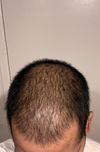
community First time rapid shedding M(30) in last 6-7 months. What to do?
A 30-year-old male experienced rapid hair shedding over 6-7 months due to stress, depression, and nicotine/alcohol use, but has since stopped these habits. He seeks advice on remedies, medications, or diet changes to address hair loss.
community RU58841 toxic to cats like minoxidil?
RU58841's potential toxicity to cats is uncertain, similar to minoxidil. Caution is advised to prevent accidental exposure to pets.
community Hair shedding vs hair ministration
The user is experiencing hair shedding despite starting finasteride 4 months ago, with no signs of miniaturization. They are seeking advice after normal blood tests and similar family experiences.
community Hair Loss & Lipids: Why you have sebderm, folliculitis, LPP, inflammation, etc...
Excess sebum rich in cholesterol and triglycerides can lead to hair loss through inflammation, with treatments like Ciclopirox shampoo, Benzoyl Peroxide shampoo, and Clindamycin gel recommended for managing conditions like seborrheic dermatitis and folliculitis. Pioglitazone is suggested for Lichen Planopilaris, while Omega-3s and reducing processed foods may improve sebum quality, though genetic factors play a significant role.
community How has hairloss/balding affected your anxiety or OCD, and how do you cope with it?
community EMA is re-examining Winlevi (clascoterone at lower concentration)
Clascoterone in Winlevi, a topical AR antagonist, is being re-examined due to concerns about HPA axis suppression in adolescents, but it's unlikely to be banned for adult use in androgenetic alopecia (AGA). The European Medicines Agency recommended refusing Winlevi for acne vulgaris, but this may not affect Breezula's approval for AGA.
community Anyone notice pain in scalp alongside hairloss?
community trichoscopy: for those of you with microscopes
The conversation discusses using USB microscopes for scalp photos and provides a link to an overview of trichoscopy. Treatments mentioned include Minoxidil, finasteride, and RU58841.
community 2nd day on pyrilutamide - what I noticed so far
The user started using a hair loss treatment called pyrilutamide and experienced mild chest discomfort and tightness, similar to previous side effects from RU58841. They plan to reduce the dosage due to these side effects and will provide an update on the results in 1-2 months.
community Irritation from topical min (maybe propylene glycol)
User experienced scalp irritation from Kirkland 5% liquid minoxidil, likely due to propylene glycol. They are seeking non-PG liquid alternatives that are affordable.
community It’s all good mang
Taking proactive steps to manage hair loss such as using finasteride, minoxidil, and a derma pen; having hobbies, paying attention to those around you, exercising, and doing more good than harm.