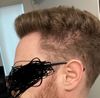
The conversation discusses using liquid cetirizine as a topical treatment for hair loss. It mentions Minoxidil, finasteride, and RU58841 as other treatments.
The conversation discusses hair loss treatments, focusing on reducing scalp itching and dandruff using natural shampoos, witch hazel, and apple cider vinegar. The user also mentions using finasteride and observing potential regrowth, though it's difficult to confirm.
The conversation discusses potential causes of pigmentation around hair follicles, suggesting sebum buildup, autoimmune conditions, or dermatitis. Treatments mentioned include finasteride, dutasteride, and an anti-inflammatory diet, with a recommendation to consult a doctor for a proper diagnosis.
Pyrilutamide, a potential hair loss treatment that has recently been released for sale, and is thought to have similar efficacy to Dutasteride without side effects. It was discussed in terms of its effectiveness compared to Finasteride, its use by females, and whether it can be safely mixed with RU58841.
Finasteride stopped scalp itching and improved hair health, likely due to reduced DHT. Users discussed the relationship between DHT, itching, and hair loss, with some mentioning minoxidil and antifungal treatments like ketoconazole.
Tea tree oil shampoo resolved redness, itching, and increased hair thickness for the user, suggesting demodex mites as a possible cause. Nizoral was ineffective, but tea tree oil showed significant improvement over several months.
A 27-year-old male experiencing hair loss post-Covid is considering PRP (platelet-rich plasma) therapy. He's seeking personal experiences about the process, particularly regarding pain levels, despite his dermatologist's assurance of using local anesthesia.
RU58841 caused chest tightness, throat irritation, and headaches, leading the user to stop its use. The user plans to restart with a lower dose if symptoms fully disappear but remains cautious due to anxiety and side effects.
A 34-year-old male is experiencing hair loss on the sides of his head, with inflammation and itchiness, while the top remains thick. He is using topical dutasteride and keto shampoo to address the issue.
User has been using topical finasteride and minoxidil since May, previously used a spray version since January. They are seeing vellus hairs and have added weekly microneedling to their routine.
The experiences of users who have used RU58841 to treat hair loss, including both positive and negative effects. Some side effects reported include chest pain, joint pain in the hands, tinnitus, and increased heartbeat.
A user experienced an allergic reaction, including swollen lymph nodes, to Minoxidil 5% with an aqueous base. Switching to a non-alcohol-based Minoxidil (Prolox 5%) resolved the allergies.
The conversation is about accessing and purchasing RU58841 or Pyrilutamide for hair loss treatment, with mentions of alternatives like Breezula. Users discuss price differences in various countries and suggest websites like rudirect.com for purchasing.
PRP treatments have been effective for the user, with a new recommendation of using a high-quality plasma kit once a year. The user seeks experiences with this specific PRP approach.
The conversation is about someone considering adding topical Cetirizine 1% to their existing hair loss treatment regimen and seeking advice on where to buy it and others' experiences with it.
The user experienced redness and itching from using 5% minoxidil and is considering trying a lower dose or alternative treatments like 2% minoxidil, mesotherapy, PRP, or rosemary oil. They are seeking advice on managing side effects and exploring other options for hair stimulation.
A 33-year-old male experienced sudden, rapid hair loss, possibly due to a reaction to mentholated shampoo and undiluted tea tree oil, with a history of seborrheic dermatitis. He is currently taking finasteride, vitamin D3, a multivitamin, and biotin, and is seeking further medical evaluation.
Non-steroidal ways to reduce scalp inflammation include using topical melatonin, urea shampoo, Zyrtec, turmeric with black pepper, omega-3 supplements, a self-made topical solution with cetirizine, melatonin, and piroctone olamine, ketoconazole shampoo, witch hazel shampoo, tacrolimus, and lifestyle changes like a healthy diet and regular exercise. Some users also mentioned unconventional methods like infrared light therapy and a carnivore diet.
The user has been using finasteride for over a year and noticed short, prickly hairs on their scalp that don't grow like the rest of their hair. Despite losing about 40 short hairs when washing, their overall hair density hasn't decreased.
Hair loss can be influenced by chronic low-level allergies, and treatments like fexofenadine or topical cetirizine may help with regrowth. The user avoids finasteride, dutasteride, and minoxidil, and has tried Regenera Activa and PRF sessions.
The user shared their experience with CB-03-01 (Breezula/Clascoterone) for hair loss, noting reduced shedding and improved hair appearance but experiencing significant sleep disturbances and low energy due to HPA axis suppression. They decided to stop using it due to these side effects and are waiting for GT20029 as an alternative.
The user has been using dutasteride, lymecycline, betamethasone, and minoxidil for hair loss but struggles with eczema and dry skin. They feel hopeless as no treatments or moisturizers have helped, and they are concerned about their appearance due to their soft facial features.
The conversation is about considering switching from Fluridil to Pyrilutamide for hair loss treatment. Pyrilutamide is suggested to be more effective, with a recommendation to use the 1% variant twice daily.
A 28 year old using a hair loss prevention protocol to restore thinning hair, which includes finasteride, dutasteride, minoxidil, stemoxydine, alopecin, nizoral shampoo and microneedling; the user is now adding pyrilutamide solution to the regimen with the hope of improving their results. RU58841 was also ordered but not yet used.
The user experiences immediate hair shedding linked to stress, unlike typical telogen effluvium, and is seeking answers. A suggestion was made to use spironolactone and topical minoxidil to address potential DHT-related shedding.
High DHEA levels may contribute to hair loss by increasing DHT in hair follicles, potentially explaining why finasteride is ineffective for some. Treatments like high-dose dutasteride and RU58841 are suggested, but the underlying cause, such as adrenal issues, should be investigated.
The user experienced severe hair loss, itchy scalp, and skin issues after trying no-shampoo, and wonders if it's male pattern baldness or an immune issue. They have a history of eczema, dermatitis, and jock itch, and have tried various treatments like coconut oil, peppermint, pumpkin seed, and onion.
The user experienced continued hair loss and scalp itch despite using finasteride and switching to dutasteride. They sought advice on managing these issues, with suggestions including adjusting medication frequency and trying different shampoos.
After a second session of Platelet-Rich Plasma (PRP) treatment for hair regrowth, the user is experiencing increased shedding of thick and dark hairs and is concerned about whether this is temporary. They are seeking others' experiences with PRP, specifically regarding the duration of shedding and eventual positive outcomes.