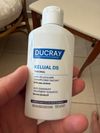
The conversation ranks natural shampoos used for hairloss, with Pura D'or being the top choice due to its multiple DHT blocking ingredients and value. Other shampoos mentioned include Hims DHT Blocker Shampoo, Bevisen Organic Anti-DHT Shampoo, Ultrax Labs Hair Growth Stimulating Shampoo, and Hairgenics Pronexa Therapy Shampoo, with varying effectiveness and prices.
People are discussing obtaining and testing PP405 for hairloss treatment, with concerns about its purity and effectiveness. Some are considering delaying hair transplants, while others suggest using existing treatments like finasteride and minoxidil.
The user is using a combination of hairloss treatments including finasteride, stemoxydine, oral minoxidil, RU58841, dermastamping, ketoconazole shampoo, collagen, Viviscal, and biotin, and has improved their diet. Despite these efforts, they are still experiencing hair shedding and scalp itchiness, and are considering increasing their minoxidil dosage or starting dutasteride.
An 18-year-old is experiencing worsening hairloss, feeling isolated, and considering treatments like Minoxidil and finasteride. Others suggest seeing a dermatologist to determine the cause and potential treatments.
Improved sleep has significantly benefited hair health, with noticeable regrowth at the hairline and possibly the crown, alongside better skin and mood. Consistent sleep, alongside treatments like finasteride and minoxidil, is recommended for better results.
The user has been experiencing hairloss for over 5 years and is currently using a topical treatment of finasteride, minoxidil, and tretinoin, along with derma rolling and a hair growth oil. They have previously tried oral finasteride, pyrithione zinc, RU58841, and dutasteride, but are seeking advice on whether to retry dutasteride or find a more reliable source for RU58841 due to ongoing hair density loss.
After 12 years of success with oral finasteride and topical minoxidil, the user is experiencing hair thinning and scalp discomfort. They are considering options like switching to oral minoxidil, adding dutasteride, or using ketoconazole shampoo, topical caffeine, rosemary serum, and supplements.
The user claims NoFap (abstaining from pornography, masturbation, and orgasm) helped stop their hairloss. Others argue that hairloss is primarily due to genetics and DHT, which can be managed with finasteride.
A 21-year-old experienced severe hairloss after stress and tried PRP, mesotherapy, and a topical finasteride + minoxidil solution, which was costly and inconvenient. They switched to dutasteride, experienced heavy shedding, and are considering switching to finasteride, with advice to consult a qualified doctor for further guidance.
A 31-year-old male experienced hair shedding after rapid weight loss and stopping vitamins, despite using minoxidil and other supplements. He is considering Saw Palmetto and Pumpkin Seed Oil instead of finasteride due to trying for kids, and is concerned about high ferritin and DHEAS levels.
A user is upset about hairloss due to seborrheic dermatitis and DUPA, which prevents a hair transplant. They mention using jojoba oil and discuss treatments like Minoxidil, finasteride, and RU58841.
A user shared their experience with hairloss treatments, including finasteride, minoxidil, and RU58841, which improved their hair from a diffuse NW3 to a solid NW2 - 2.5. They noticed significant changes in how people treated them after regrowing their hair, suggesting that attractiveness can greatly impact social interactions and opportunities.
A 19-year-old male has been losing hair since 16-17 and feels more depressed after 6 months of using topical minoxidil and finasteride, which made his hair dry and greasy. Another user suggested switching to oral finasteride and provided tips for using topical minoxidil to reduce greasiness.
A user is seeking shampoo recommendations for thinning hair that doesn't cause dryness or brittleness. Another user suggests Pura D'or, noting it makes their hair feel better despite thinning, but mentions no shampoo will help with hairloss.
The conclusion of the conversation is that some individuals may experience a condition called reactionary hypergonadism when taking dutasteride for hairloss. This condition can lead to an increase in testosterone levels, which may worsen hairloss instead of improving it.
The user has been experiencing prolonged hair shedding despite using Dutasteride, Minoxidil, and topical Finasteride, with blood tests showing high free testosterone and low SHBG. Suggestions include adjusting Minoxidil dosage, considering topical anti-androgens like RU58841, and addressing metabolic factors to increase SHBG.
High prolactin levels can cause hairloss, and finasteride may increase prolactin. Cabergoline or Vitamin B6 might lower prolactin, but combining them with finasteride requires caution.
The person is experiencing sudden hairloss for six months and treatments like dutasteride, minoxidil, and vitamins are not working. Another person suggests the hairloss might not be androgenetic alopecia but could be telogen effluvium or an inflammatory condition.
The user has been using a combination of finasteride/dutasteride, minoxidil, tretinoin, and hydrocortisone with microneedling and ketoconazole shampoo for hairloss. They are asking if the baby hairs growing will turn into terminal hairs with continued treatment.
A user noticed worsening hairloss and is considering treatments. They plan to use finasteride, Rogaine, and a ketoconazole shampoo, and seek advice on their effectiveness and usage.
A user is experiencing significant hairloss and scalp issues despite using Minoxidil, finasteride, and RU58841 since 2017. They switched to oral Minoxidil and are now on isotretinoin and topical corticosteroids for seborrheic dermatitis but continue to lose hair and seek advice on whether inflammation or treatment changes are the cause.
The user experienced severe side effects from oral finasteride, including sexual dysfunction and mental health issues, and switched to topical finasteride, which led to significant hair shedding. They are considering other treatments like RU58841 or topical dutasteride and are advised to check testosterone levels and address potential underlying health issues.
A quercetin-encapsulated and polydopamine-integrated nanosystem (PDA@QLipo) shows promise for treating androgenetic alopecia by reshaping the perifollicular microenvironment, outperforming minoxidil in hair regeneration. The nanosystem promotes cell proliferation, hair follicle renewal, and recovery by scavenging reactive oxygen species and enhancing neovascularity.
The user is experiencing diffuse thinning and inflammation despite using 2.5mg dutasteride daily, ciclopirox, and ketoconazole shampoos. They are considering treatments like hydroxychloroquine and JAK inhibitors due to suspected scarring alopecia and have faced challenges in obtaining a scalp biopsy.
How diffuse unpatterned alopecia (DUPA) is not an invitation to self-diagnose oneself with aggressive AGA and that seeking a specialized dermatologist may help people experiencing hairloss. Treatment options discussed include topical clobetasol propionate, oral minoxidil, and discontinuing finasteride.
A 27-year-old male with diffuse hairloss, including the donor area, did not respond to finasteride, dutasteride, or minoxidil. He suspects his hairloss may be linked to a mild connective tissue disorder, possibly affecting the structural support of hair follicles, rather than being purely hormonal.
The user is experiencing diffuse hair thinning after 8 months on topical finasteride and 11 months on minoxidil, and is considering switching to oral finasteride due to lack of effectiveness. They also mention scalp itchiness and use of a 1% ketoconazole shampoo.