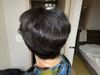
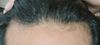
The user "OP" is frustrated with hair loss despite using oral minoxidil, topical finasteride, and oral dutasteride. Other users suggest keto shampoo, lifestyle changes, and low light laser therapy.
The user has been using finasteride for 7 months and recently started topical minoxidil after finding a suitable brand. Another user suggests a hair transplant might be needed to fill in the back.
FalseHour6541's two-year experience with Minoxidil and Finasteride, resulting in good density on their crown; other users suggested a hair transplant to help reduce the receding hairline.
The conversation discusses the use of trichoscopy to predict hair loss patterns and inform treatment approaches. Treatments mentioned include minoxidil, finasteride, and dutasteride, with varying effectiveness based on gender-specific hair loss patterns.
The conversation discusses managing hair loss and scalp issues, with users sharing experiences using treatments like dutasteride, finasteride, ketoconazole, sulfur soap, and topical anti-androgens. Suggestions include trying sulfur soap, scalp massages, spironolactone, and dietary changes to reduce sebum production and dandruff.
A 23-year-old male is using topical minoxidil and oral finasteride for hair regrowth, noticing some progress on his temples and seeking advice on whether this indicates overall scalp improvement. Users suggest patience, as regrowth can take time, and advise against a hair transplant, noting that the current treatment seems effective.
A 34-year-old has been using finasteride for 18 months and minoxidil for 3 months, along with ketoconazole shampoo, supplements, and microneedling, to address hair loss. They report stabilized hair loss, thicker hair in previously miniaturized areas, and new hair growth along the hairline.
A 33-year-old man experienced diffuse thinning and hair shedding due to sleep deprivation and low testosterone. After starting hCG treatment, he noticed hair regrowth on his temples.
A 21-year-old has been using finasteride and minoxidil for 2.5 years without improvement in hair loss. They also tried RU58841, rosemary oil, and biotin, but none were effective.
A 36-year-old male shared a 5-month update on his hair loss treatment, which includes finasteride, minoxidil, and microneedling, along with having had 3 hair transplants. He noticed hair thickening and color change within the first 2 months and regrets not starting finasteride earlier in his life.
The user has been using finasteride (1.25 mg oral) and minoxidil (5% topical) for 14 months, with recent addition of ketoconazole shampoo, and is experiencing ongoing hair shedding. Despite shedding, there is noticeable hair regrowth, though density remains a concern.
The user is experiencing hair loss despite using finasteride and Rogaine, with conflicting diagnoses from different hospitals. One suggests no hair loss, while another recommends continuing medication; a suggestion to see a dermatologist for proper assessment is given.
Topical spironolactone is discussed as a potential treatment for androgenicalopecia, with the user seeking feedback on its effectiveness. Minoxidil, finasteride, and other treatments like microneedling and keto shampoo are mentioned as alternatives.
The user has been using Finasteride for over four months to treat androgeneticalopecia but continues to experience hair loss and thinning. They recently started using Minoxidil and are considering switching to Dutasteride due to concerns about Finasteride's effectiveness.
The user experienced increased hair loss and a thinning hairline after starting finasteride, despite using minoxidil for over 1.5 years. They are seeking advice on how to address this issue.
A person experienced hair regrowth after reducing testosterone levels and using saw palmetto tincture and Alpecin shampoo. Other users suggested treatments like Nizoral shampoo, Aldactone, and supplements for hair loss.
Hair appearance fluctuates due to factors like styling, product buildup, and humidity, causing frustration for those with diffuse thinning. Treatments mentioned include minoxidil, finasteride, ketoconazole shampoo, and RU58841, with mixed results.
The user suspects scarring alopecia and is exploring NSAIDs and turmeric/pepper for inflammation-related hair loss, having experienced burning and thinning with finasteride and testosterone reduction. They are seeking feedback while unable to afford a dermatologist.
A method for treating androgenicalopecia using minoxidil, antiandrogens, exercise, and cold exposure to promote hair growth. Environmental factors and lifestyle changes, like diet and exercise, can improve treatment effectiveness.
The user is experiencing hair loss despite using dutasteride, minoxidil, and ketoconazole shampoo, and is concerned about continued shedding. Suggestions include checking for nutrient deficiencies, consulting a dermatologist, and considering other potential causes like seborrheic dermatitis or telogen effluvium.
A 19-year-old male has been using oral finasteride and topical minoxidil since December, with initial success, but has experienced hair thinning and loss since May. Despite using microneedling and tretinoin cream to enhance minoxidil, his dermatologist advised using only minoxidil, causing concern about worsening hair loss.
An 18-year-old shaved his head due to hair loss and feels relieved, despite using Minoxidil and Finasteride without success. Many suggest seeing a dermatologist as the hair loss pattern doesn't resemble typical malepattern baldness, and some recommend trying Ketoconazole.
A 20-year-old is concerned about hairline changes and wonders if it's maturing or malepattern baldness (MPB). Suggestions include consulting a specialist and considering treatments like finasteride or minoxidil.
A 29-year-old male is considering treatments for hair loss, including Minoxidil, Finasteride, microneedling, or a hair transplant, and is concerned about potential hair loss due to military service. He is currently at Norwood 2 and has a family history of hair loss.
A 20-year-old male with a high hairline seeks advice on potential hair loss, noting a family history that typically doesn't progress beyond Norwood 2. A user suggests it appears to be a mature hairline rather than hair loss and advises monitoring for changes.
A 15-year-old experiencing severe diffuse thinning plans to use minoxidil, dermarolling, and possibly ketoconazole, with hopes to later incorporate finasteride. Concerns about starting finasteride too young and the need for a dermatologist consultation are discussed.
A user reported no improvement in hair loss after nearly a year of using 1mg oral finasteride, topical minoxidil twice daily, and weekly microneedling. Other users suggested the possibility of DUPA or retrograde alopecia and mentioned that treatments might only slow down hair loss rather than regrow hair.
The user has been using finasteride for over a year and noticed short, prickly hairs on their scalp that don't grow like the rest of their hair. Despite losing about 40 short hairs when washing, their overall hair density hasn't decreased.
A 33-year-old male has been using finasteride, minoxidil, ketoconazole shampoo, and recently added dutasteride, a minoxidil+tretinoin+azelaic acid solution, and derma stamping to treat hair loss for 5 months. There is confusion about the order of progress pictures, making it difficult to assess the treatment's effectiveness.
A user diagnosed with Crohn's disease is concerned it might contribute to balding. They have been using keto shampoo, finasteride, and oral minoxidil, which improved their hair but not significantly.