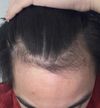
Breezula's phase 3 results are expected in July or August, with commercialization possibly in two years. There are concerns about delays and effectiveness, and the cost may be high.
The user has been using Finasteride for seven months to address hair loss but hasn't seen noticeable regrowth and is experiencing brittle, thinning hair with scalp issues. They are also using Salisia and Re’equil Salicylic Acid shampoo for potential psoriasis and are seeking advice from others with similar experiences.
Treating Seborrheic Dermatitis, a fungal scalp condition which can cause hair loss. Treatments discussed include antifungal shampoos, cold showers, exfoliating the scalp, taking Vitamin D, and stimulating the prostate through the anus.
PP405 may help with hair regrowth, especially when combined with minoxidil and finasteride, but its long-term effectiveness is unclear. Phase 3 trials are expected to begin soon, with results in a few years.
A 17-year-old is experiencing rapid hair loss from NW1.5 to NW3 in six months and feels dermatologists are unhelpful. They are using Minoxidil (Rogaine) and seeking advice on application.
Significant hair regrowth was achieved using EssenGen 6-Plus with 6% minoxidil and 0.05% finasteride, along with Nizoral shampoo, over 12 weeks. No side effects were experienced, highlighting the benefits of a low dose.
The potential hair regrowth benefits of ASC-J9, a synthetic modified version of curcumin that is said to be more effective than Minoxidil and Finasteride. Reports from users suggest good thickening and temple regrowth with topical use at 0.025% concentration.
The user has been using a hair loss treatment protocol including topical dutasteride, minoxidil with tretinoin, ketoconazole shampoo, microneedling, a laser cap, and vitamin D for 15 weeks, showing impressive progress. Feedback suggests continuing medical therapy for 12-24 months before considering a hair transplant.
PP405 may not need daily use like minoxidil, but finasteride might still be needed to maintain hair regrowth. PP405 reawakens dormant hair follicles, potentially offering a long-term solution, though not a permanent cure.
The conversation discusses managing hair loss and scalp issues, with users sharing experiences using treatments like dutasteride, finasteride, ketoconazole, sulfur soap, and topical anti-androgens. Suggestions include trying sulfur soap, scalp massages, spironolactone, and dietary changes to reduce sebum production and dandruff.
The user "Curious_Conflict_959" shared a progress picture of their hair transplant after 5 months. They used a low dosage of RU on native hairs and had PRP treatments. All hair loss has stopped.
A 17-year-old experiencing aggressive hair loss since December 2023 is using finasteride, vitamin D, and a biotin supplement but cannot use minoxidil due to dandruff. They have also undergone two PRP treatments and are seeking further advice.
PP405 is a new hair loss treatment that may outperform minoxidil and finasteride by growing thick hair in bald areas within four weeks. Its release is expected around 2028, but concerns about its long-term efficacy and cost remain.
Pumpkin seed oil is discussed as a potential treatment for hair loss, but the study cited is criticized for using a product with multiple ingredients, making it unclear if pumpkin seed oil is effective. The conversation concludes with skepticism about the study's validity and mentions that pumpkin seeds might help with DHT blocking.
A 21-year-old male diagnosed with telogen effluvium and male pattern baldness started taking finasteride, which initially slowed hair shedding and slightly thickened hair. The doctor recommended iron and vitamin D supplements, and the user is considering minoxidil but wants to stabilize shedding first.
The conversation is about when GT20029, a hair loss treatment, might be available on the grey market, with users discussing the challenges of compounding it and speculating it might be available after phase 2 results, similar to pyri. Specific treatments mentioned are pyri, RU58841, and GT20029.
A 17-year-old male experiencing significant hair loss is using a prescribed topical treatment containing Minoxidil, Tretinoin, Dutasteride, and Latanoprost. He expresses concerns about the potential side effects of Dutasteride and oral Finasteride, and seeks advice on whether to continue with the treatment or consider alternatives.
A 17-year-old is stressed about mild male pattern baldness and is considering treatments like minoxidil and finasteride but is concerned about starting finasteride too young. Users suggest starting with minoxidil and considering finasteride at 18, while emphasizing the importance of consulting a doctor and not obsessing over hair loss.
The conversation is about selling KY19382 powder, a novel activator of Wnt/β-catenin signaling, and Kolliphor EL liquid for vehicle formulation. The seller offers worldwide shipping.
The user shared progress on hair regrowth using a topical minoxidil/finasteride spray, dermarolling weekly, and a product similar to pp405. They reported some regrowth with no side effects from the new product.
A user is treating hair loss with Dutasteride, Minoxidil, RU58841, Derminator 2, Vitamin D, Biotin, and Zinc. After 6 months, there's no significant visual improvement, but the user feels less insecure about Retrograde Alopecia.
A user's success in hair regrowth after taking oral and topical medications, such as minoxidil and dutasteride, and using microneedling. Other users shared their experiences and advice with treatments used to reverse hair loss.
The user experienced significant hair regrowth using finasteride, minoxidil, and microneedling, but saw a decline after reducing treatments and stopping gym workouts. They plan to restart microneedling and consider a hair transplant in the future.
The conversation discusses the potential benefits and risks of participating in the PP405 hair loss trials, emphasizing that those using Minoxidil or finasteride are less likely to be accepted. Participants are interested in the trial as it offers hope for effective treatment without the side effects associated with current medications.
A 17-year-old is frustrated with hair thinning and receding temples, seeking advice after a dermatologist dismissed concerns. Suggestions include starting Minoxidil for regrowth and considering Finasteride if androgenetic alopecia is suspected.
Concerns about the long-term safety of VDPHL01, an extended-release minoxidil, due to potential risks similar to Cantu syndrome, were raised, highlighting the lack of monitoring for chronic connective tissue changes. The conversation suggests that while the treatment may improve hair growth, it could lead to issues not detected in short-term trials.
A 17-year-old is concerned about hair loss and questions his dermatologist's advice against using finasteride due to age. The dermatologist recommended a serum with aloe vera, saw palmetto, biotin, and dexpanthenol, but the user is skeptical and considers using minoxidil instead.