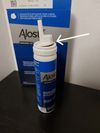
The user is considering adding RU58841 to liquid minoxidil without propylene glycol (PG) due to an allergy and is asking if this combination is effective and if PG is necessary. They have been using finasteride and minoxidil foam, plan to use RU58841 with liquid minoxidil in the evening, and continue finasteride.
The user experienced hair improvement using a topical finasteride, minoxidil, and tretinoin combo, along with supplements like zinc, copper, magnesium, vitamin D3, K2, iodine, and boron. They believe these changes are due to addressing mineral deficiencies and possibly thyroid issues, despite skepticism from others.
A user's experience with Pyrilutamide, a topical treatment for hair loss that they used in combination with other treatments such as Minoxidil and Finasteride. The user experienced impressive results in a short amount of time.
Researching the effectiveness of the hair loss treatment Pyril in comparison to other treatments such as Minoxidil, Finasteride, and RU58841. Replies suggest that users often fail to provide updates on their experience with Pyril.
The user experienced red pimples and a rash from using topical minoxidil, possibly due to propylene glycol. Suggestions included seeing a dermatologist, switching to foam without propylene glycol, using Nizoral, and adjusting application timing.
The user healthydudenextdoor starting a new topical anti-androgen hair loss treatment, Pyrilutamide, and discussing their current regimen of finasteride and minoxidil.
The conversation humorously discusses hair loss treatments, mentioning Minoxidil, finasteride, and RU58841. It jokingly suggests the creation of a new chemical called RU99999.
Hair loss treatment with Pyrilutamide, Minoxidil, and Finasteride showed improvement after 4 months. Shedding reduced, hair feels stronger and healthier, with no side effects.
The user is exploring hair loss treatments in China, currently using finasteride and minoxidil, and is concerned about seborrheic dermatitis. Clinics are recommending selenium sulfide, doxycycline, and mesotherapy ampoules like PT88/PT66 or SP88/SP66, but the user is unsure about their effectiveness.
RU58841 and Pyrilutamide (Kx-826) are both topical anti-androgens, but neither is effective for hair regrowth. RU58841 has more anecdotal support, while Pyrilutamide has progressed further in trials, though both have limitations.
A 35-year-old is considering Breezula, Pyrilutamide, or topical finasteride/dutasteride to protect against hair loss while on testosterone replacement therapy (TRT). They currently use finasteride, oral minoxidil, and dutasteride but experienced increased hair shedding with TRT.
The user experienced significant hair regrowth using a combination of minoxidil, alfatradiol, pyrilutamide, and nizoral, despite previous intolerance to finasteride. They emphasize the importance of consistency in treatment and are optimistic about the results, noting no side effects so far.
OP wants to increase pyrilutamide concentration from 0.5% to 1% while already using finasteride. Users suggest waiting for a commercial 1% solution and caution against using grey market products.
People who had posted about using pyrilutamide for hair loss, but did not return with an update; the potential side effects of pyrilutamide, RU58841 and other treatments such as minoxidil and finasteride were discussed.
Be cautious when sourcing PP405 or its analogs from third-party suppliers due to potential safety risks and lack of regulatory approval. The conversation highlights concerns about counterfeit products and the absence of reliable testing, making it risky to use such treatments.
The user mixes their own RU58841 solution and found that increasing the ethanol content improved absorption and reduced scalp itching. A study on minoxidil showed that penetration increased with higher ethanol concentrations, reaching maximum penetration at 90% ethanol.
The user experienced significant hair shedding in the second week of using pyrilutamide, more so than with finasteride and minoxidil, and reported a headache after the first application. They believe the treatment may be working but acknowledge it's too early to confirm results.
User gained hair with topical minoxidil and finasteride, then experienced shedding after starting pyrilutamide. After 12 weeks, new hairs grew and existing hairs thickened, hoping for more improvement in a year.
A user shared their 12-month progress using 0.5% Pyrilutamide once daily, 0.025% topical finasteride once daily, 5% Minoxidil twice daily, and microneedling 3 times a week. They reported good progress but noted a slowdown in recent months, hoping for thicker hair soon.
The conversation discusses using Pyrilutamide 1% as a potential treatment for hair loss, with some users combining it with minoxidil and finasteride. Experiences vary, with some reporting shedding and no progress, while others remain hopeful for future results.
PP405 is suspected to be a scam, with users doubting its legitimacy and effectiveness. Many recommend using proven treatments like finasteride and minoxidil.
Hair regrowth was achieved using minoxidil, nizoral, alfatrodial, and pyrilutamide after finasteride caused side effects. The user recommends this combination for those who can't tolerate 5AR inhibitors, stressing consistent use.
The conversation is about using pyrilutamide and RU58841 as topical solutions to prevent hair loss. Pyrilutamide is considered safer but less potent than RU58841, which some users find effective despite potential side effects like heart palpitations.
Treatments for hair loss, including the effectiveness and safety of Pyrilutamide compared to RU58841; experiences using both medications with varying results; and recommendations to try Pyrilutamide instead of RU58841.