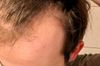
A user with long-term hairloss has been using topical minoxidil, finasteride, RU58841, ketoconazole, and dermastamping for 8 months. They are unsure if the new hairs are miniaturized or vellus.
A 27-year-old male with diffuse hairloss, including the donor area, did not respond to finasteride, dutasteride, or minoxidil. He suspects his hairloss may be linked to a mild connective tissue disorder, possibly affecting the structural support of hair follicles, rather than being purely hormonal.
PP405 is a potential hairloss treatment undergoing trials, with discussions on its effectiveness and comparison to existing treatments like finasteride and minoxidil. There is skepticism about its status as a cure, with hopes for future advancements in genetic treatments like CRISPR.
A 22-year-old experiencing intense hairloss across the scalp seeks advice, considering factors like nutrition and genetics. Suggestions include checking vitamin, mineral, and thyroid levels.
A 32-year-old male with diffuse thinning and seborrheic dermatitis has been using finasteride for 8 months without improvement. He is considering COQ10 + PQQ supplements for scalp inflammation and hairloss.
Switching from liquid to foam minoxidil led to hairloss for OP, possibly due to a second shedding cycle. OP experienced allergic reactions to propylene glycol in the liquid form, causing dandruff and itchiness, which improved after switching to foam.
A 34-year-old woman is experiencing diffuse hairloss and irregular periods, possibly due to long-term spironolactone use. She is considering minoxidil and finasteride for treatment and seeking medical advice for androgenic alopecia and hormonal imbalances.
A 24-year-old male started using finasteride, minoxidil, biotin, and vitamin D for hairloss but noticed worsening thinning and white patches on his temples. He seeks advice on improving his regimen, which includes topical minoxidil and a shampoo for seborrheic dermatitis.
User Wonderful_Tonight910 suffered from hairloss and seborrheic dermatitis for years. After using irritant-free shampoo, their scalp improved, hairloss stopped, and new hair growth appeared.
The user experienced a receding hairline and tried minoxidil, which may have slowed the process but caused puffy eyes. They are hesitant to use finasteride and suspect oily dandruff might be an aggravator.
A 29-year-old is using 5% topical minoxidil, 5 mg oral minoxidil, 1 mg finasteride, Nizoral shampoo, and weekly microneedling to treat hairloss, reporting significant progress in hair regrowth and hairline improvement. The routine includes applying minoxidil twice daily, managing dead skin with shampoo, and using a baseball cap to maintain hair appearance.
A user with diffuse thinning noticed stubble-like hairs on their scalp after using 2% ketoconazole shampoo, dermarolling, castor oil, Vitamin D3, biotin, and iron supplements. They are unsure if this indicates regrowth or miniaturized hairs.
The user experienced hairloss and used minoxidil, biotin shampoo, and supplements like biotin, zinc, fish oil, saw palmetto, and B vitamins, which initially stopped hairloss but did not promote regrowth. They suspect heat causes a dry, flaky scalp leading to hairloss and are considering using a supplementary shampoo and possibly finasteride.
Hair regrowth after telogen effluvium, with the user experiencing hairloss at the temples and regrowth after taking omega-3/fish oil tablets. Suggestions include consulting a dermatologist and considering supplements like Biotin, Zinc, and Vitamin D.
How diffuse unpatterned alopecia (DUPA) is not an invitation to self-diagnose oneself with aggressive AGA and that seeking a specialized dermatologist may help people experiencing hairloss. Treatment options discussed include topical clobetasol propionate, oral minoxidil, and discontinuing finasteride.
Orient Bio is developing a PLGA formulated version of Cyclosporine A to stimulate hair growth without its immunosuppressant effects. Users discuss various treatments like Clascoterone, PP405, minoxidil, and tacrolimus, expressing hope for new developments and sharing personal experiences with these treatments.
The user experienced significant hair regrowth with topical finasteride, minoxidil, ketoconazole, and dermarolling, but later faced severe hair shedding after stopping dermarolling and reducing ketoconazole use. Suggestions included switching to oral treatments, resuming dermarolling, and considering lifestyle changes.
The user has been dealing with hairloss since middle school and has tried various treatments like mesotherapy, PRP, and red light therapy without success. Currently, they use minoxidil, finasteride, and dutasteride but are considering a hair transplant due to limited improvement.
A 17-year-old is experiencing diffuse thinning, dandruff, body hair shedding, and other symptoms, possibly linked to seborrheic dermatitis or telogen effluvium. They are using ketoconazole shampoo and considering blood tests to check for thyroid issues or deficiencies.
The user has been using finasteride, ketoconazole shampoo, oral minoxidil, and minoxidil foam for hairloss but feels their hair is not as thick as desired. They have stopped using RU58841 due to lack of results and are concerned about hair miniaturization despite these treatments.
The user changed their hairloss treatment in October/November, experienced increased shedding, and now sees no new hair growth, with a worsening condition and a possible bald spot. They also have severe seborrheic dermatitis, which may be affecting their scalp and hairloss.
A 26 year old female with PCOS who has been dealing with hairloss for several years, despite managing her hormones and taking vitamins. She has tried various treatments such as Nizoral, Minoxidil, Pyrithione zinc, coal tar and salicylic acid to no avail. The user is looking for advice on what else they can do to stop their hairloss.
A 20-year-old with aggressive hairloss is using oral minoxidil and finasteride, considering a buzz cut to manage appearance. Most suggest a buzz cut or shaving, recommending patience with medication and possibly trying RU58841 or dutasteride.
A user is experiencing rapid hairloss and has been diagnosed with telogen effluvium by multiple dermatologists, but doubts the diagnosis due to the severity and speed of the hairloss. They are considering various treatments like spironolactone, estradiol, and possibly finasteride, while also exploring the possibility of hormonal imbalances or autoimmune issues.
A 22-year-old is experiencing worsening hairloss despite using a doctor-prescribed serum and shampoo. They are seeking advice on additional treatments like Minoxidil, finasteride, or RU58841.
A user shared their experience with hairloss treatments, including RU58841, ketoconazole shampoo, caffeine shampoo, and topical finasteride. They found RU58841 effective for diffuse thinning but experienced severe hairloss after stopping it; topical finasteride worked well for a receding hairline but caused side effects. They also use a charcoal shampoo and practice scalp massages.
The user is stressed about hairloss and is using a HIMS topical treatment containing finasteride, ketoconazole, minoxidil, and biotin, but is concerned about the oily appearance it causes. They are considering switching to Rogaine (minoxidil) due to budget constraints and side effect concerns with oral finasteride.
A 25-year-old male experienced significant hairloss due to telogen effluvium and androgenetic alopecia. He began using finasteride, minoxidil, and vitamins, seeing some regrowth but remains worried about hair density.