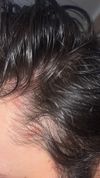
The user suspects scarring alopecia and is exploring NSAIDs and turmeric/pepper for inflammation-related hair loss, having experienced burning and thinning with finasteride and testosterone reduction. They are seeking feedback while unable to afford a dermatologist.
Lichen Planopilaris (LPP) is an autoimmune condition causing permanent hair loss and fibrosis, often misdiagnosed. Treatments include pioglitazone, topical corticosteroids, anti-inflammatory medication, and Jak inhibitors.
Tretinoin can irritate seborrheic dermatitis, but using it with a moisturizer on calm skin may help. Parallel Health's skin microbiome testing and phage therapy are suggested for persistent issues.
A 33-year-old female with androgenic alopecia experienced alopecia areata patches after PRP treatment. She is seeking others' experiences with PRP worsening alopecia areata.
Excess sebum rich in cholesterol and triglycerides can lead to hair loss through inflammation, with treatments like Ciclopirox shampoo, Benzoyl Peroxide shampoo, and Clindamycin gel recommended for managing conditions like seborrheic dermatitis and folliculitis. Pioglitazone is suggested for Lichen Planopilaris, while Omega-3s and reducing processed foods may improve sebum quality, though genetic factors play a significant role.
A 21-year-old is experiencing aggressive hair loss and dandruff, possibly due to seborrheic dermatitis, and is using pumpkin seed oil, scalp massages, and anti-dandruff shampoo as treatments. They are hesitant to use prescribed Finasteride and Minoxidil and have noticed some improvement after stopping Serenoa capsules.
The user is experiencing scalp irritation and hair thinning, possibly due to stress, with red patches on the face and dry skin. They are considering seeing a dermatologist and have used tea tree and rosemary oil.
The user experienced severe hair loss, itchy scalp, and skin issues after trying no-shampoo, and wonders if it's male pattern baldness or an immune issue. They have a history of eczema, dermatitis, and jock itch, and have tried various treatments like coconut oil, peppermint, pumpkin seed, and onion.
A user with seborrheic dermatitis and traction alopecia is seeking alternatives to minoxidil for hair loss, considering rosemary oil for its anti-inflammatory properties. They express concerns about potential side effects and effectiveness of various treatments, including rosemary oil, caffeine, and Redensyl.
A 22-year-old male experiencing hair thinning and loss, possibly due to seborrheic dermatitis or low vitamin D, is cautious about using minoxidil or finasteride due to heart palpitations and high blood pressure. Suggestions include using ketoconazole shampoo to control inflammation and focusing on treating the dermatitis first.
A young female diagnosed with Lichen planopilaris (LPP) experienced years of misdiagnosis and ineffective treatments, including a hair transplant and other procedures. She is considering litigation due to the misdiagnosis and has learned that LPP is chronic, hair loss can be stopped with ongoing medication, but lost hair cannot regrow.
Seborrheic dermatitis can cause hair loss, and treatments like ketoconazole shampoo, topical steroids, and oral antifungals may help. Some consider using finasteride and minoxidil for hair loss despite dermatitis.
Mixing ketoconazole 2% shampoo with coal tar and salicylic acid for seborrheic dermatitis is discussed, with users sharing experiences and alternative treatments like sulfur soap and scalp massage. Some users report success with these methods, emphasizing the importance of avoiding irritants and maintaining scalp health.
Quitting RU58841 after over two years reduced scalp itching and inflammation, despite concerns about losing hair gains. The user continues using finasteride and oral minoxidil.
How diffuse unpatterned alopecia (DUPA) is not an invitation to self-diagnose oneself with aggressive AGA and that seeking a specialized dermatologist may help people experiencing hair loss. Treatment options discussed include topical clobetasol propionate, oral minoxidil, and discontinuing finasteride.
The user experienced no regrowth after nine months on minoxidil and developed red bumps after starting finasteride. They also use Nizoral 2%, which helps slightly, but minoxidil causes intense itching.
The user has been using dutasteride, lymecycline, betamethasone, and minoxidil for hair loss but struggles with eczema and dry skin. They feel hopeless as no treatments or moisturizers have helped, and they are concerned about their appearance due to their soft facial features.
A user is seeing good results with RU58841 for hair loss, noting reduced shedding and thicker hair. They plan to use pumpkin seed oil as a solvent to avoid water content, which they believe reduces the effectiveness of anti-androgens.
A user experienced skin irritation and acne while using Minoxidil foam, but after stopping both the foam and a sea salt spray, their skin improved. They plan to try oral Minoxidil, suspecting the sea salt spray, not Minoxidil, was the main cause of their skin issues.
RU58841 stopped scalp itching for the user, providing relief from persistent itchiness associated with hair loss. Some users reported side effects like chest pain, while others found relief with different treatments like mometasone.
Minoxidil can cause itching, pimples, and shedding, and starting spironolactone or finasteride may also lead to shedding. Topical CBD oil with MCT is suggested to reduce inflammation, and overlapping shedding might occur but doesn't necessarily increase each other's effects.
The conversation discusses using topical Calcipotriol and Valproic Acid for hair loss, focusing on their mechanisms involving the VDR receptor and Wnt/beta-catenin pathway. Specific treatments mentioned are Minoxidil, Finasteride, and RU58841.
A 21-year-old experiencing itchy and burning scalp with hair loss was diagnosed with MPB and scalp inflammation. They were prescribed Ketoconazole, Prednisone, Clindamycin, and Finasteride, and are considering trying antihistamines, dietary changes, and "nopoo" to alleviate symptoms.
The user has been experiencing severe scalp itching and red spots after using finasteride for two years, suspecting possible allergies or a fungal infection. Despite trying ketoconazole shampoo and stopping saw palmetto supplements, the symptoms persist, leading to increased hair loss.
The conversation discusses managing seborrheic dermatitis (sebderm) and male pattern baldness (MPB) with treatments like finasteride, coal tar shampoo, Nizoral, and oral minoxidil. Users suggest dietary changes, regular shampooing, and using antifungal products to control sebderm before considering minoxidil.
The user has DUPA and suspects autoimmune activity as a cause. They have tried various treatments including finasteride, minoxidil, dutasteride, pyrilutamide, estrogel, hydrocortisone, and clobetasol, and are now seeking a long-term immunosuppressant.
Tae147 has shared results of using pyrilutamide, a 5% concentration topical solution applied twice daily, in combination with minoxidil, to reduce scalp itchiness and hair shedding. Other users have shared their experiences with the treatment, as well as questions about its availability on the market.