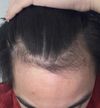
A 16 year old's experience with using pyrilutamide to treat hair loss, and the potential side effects of adding tretinoin to minoxidil and finasteride treatments.
After taking finasteride for 192 days, the user experienced side effects like depressed mood and decreased libido, along with worsening hair thinning and scalp issues. Despite consulting a dermatologist, the user's hair condition and scalp itchiness have not improved.
The conversation discusses hair loss treatments, including finasteride, microneedling, minoxidil, and PTD-DBM. The user has not noticed significant regrowth and is considering cost-effective options like valproic acid.
The conversation discusses the difference between the commercially available Pyrilutamide and the version in clinical trials. It also mentions treatments like Minoxidil, finasteride, and RU58841 for hair loss.
A 16-year-old researching and trying Pyrilutamide for hair loss treatment, reporting back on side effects experienced after one week of use; the reported side effects included testicle pain, headache, and increased shedding. Libido and sexual performance seemed unaffected.
The conversation is about a person struggling with aggressive hair loss and feeling depressed, who has tried finasteride but is experiencing sexual side effects. Others suggest various treatments like reducing finasteride dosage, trying minoxidil, dermarolling, addressing health and hormonal issues, and accepting baldness.
Different treatments for hair loss, such as Finasteride, Minoxidil, Nizoral, Pumpkin Seed Oil, Saw Palmetto and PRP; the risks of using certain treatments; taking a break from this subreddit to cope with anxiety about hairloss; and potential benefits of maintaining confidence despite hairloss.
Kevin, a YouTuber known for his channel "haircafe," helped many with hair loss through treatments like finasteride. He recently took down his channel and checked into a psych ward due to mental health issues and backlash over old posts.
Hair loss causing distress during physical interaction; treatment for a year not effective. Options discussed: accept new normal or explore other treatments.
In this conversation, 4990 discussed various treatments for hair loss, including oral minoxidil, PRP, transplan, Jak inhibitors, Dutasteride, Finasteride, Olumiant, Ketoconazole, RU58841, microneedling, baricitinib, and CCCA. They recommended scalp biopsies in unclear cases of DUPA, twice weekly to twice daily shampooing for topical minoxidil users, and two sessions spaced one month apart with follow up at month three to determine the effectiveness of PRP treatment.
Concerns about the potential systemic effects and safety of PP405 for hair loss, with discussions on its comparison to existing treatments like finasteride and minoxidil. Users express skepticism about untested research chemicals and emphasize the importance of clinical trials to ensure safety and efficacy.
A 21-year-old woman diagnosed with male pattern baldness (MPB) who is considering treatments such as spironolactone, minoxidil and finasteride to address her hair loss. The user also discusses potential solutions for concealing the appearance of her thinning hair, such as wigs or haircuts.
The user started using minoxidil and finasteride for hair loss treatment six months ago, with some improvement in mental health and manageable side effects. They are considering switching minoxidil brands due to dissatisfaction and are focusing on stress management and lifestyle changes to improve scalp health.
User tries dermapen for hair loss and plans to use non-mainstream topicals like c60, ghk-cu, and ptd-dbm with valproic acid. They also use a head massager and modified LLLT belt for additional treatment.
A user is frustrated that their dermatologist requires blood and sperm tests before prescribing oral finasteride, despite already taking oral minoxidil. They prefer oral medication over topical treatments due to sensory issues and are considering asking their GP for a finasteride prescription or seeking alternatives online.
The conversation discusses the safety study of PP405, emphasizing that early trials focus on safety rather than efficacy, and that any efficacy data from such a short study should be viewed skeptically. It also highlights that the information released is primarily for securing funding, and that meaningful efficacy results are expected in later phases.
A 17-year-old is experiencing rapid hair loss from NW1.5 to NW3 in six months and feels dermatologists are unhelpful. They are using Minoxidil (Rogaine) and seeking advice on application.
The user is experiencing increased hair shedding, scalp sensitivity, and itching despite using finasteride for four months, and has tried various shampoos without relief. They are advised to consult a dermatologist for potential scarring alopecia and consider other treatments like adding Dutasteride.
Embracing the decision to buzz one's hair due to dealing with hair loss, and discussing various treatments such as finasteride, minoxidil, and rogaine. People have shared supportive comments and advice on how to style a bald head.
Lichen Planopilaris (LPP), a form of permanent hair loss, which can be mistaken for seborrheic dermatitis and is characterized by scalp itching, burning, redness, and dandruff. Treatment options discussed include steroidal creams, finasteride, minoxidil, and RU58841.
Hope Medicine's announcement of the HMI-115 Phase II clinical trial for androgenetic alopecia in China; other related trials have been conducted or are ongoing in different countries, including Australia, US, and Europe. There is speculation that the product may be accepted across borders without additional testing.
Stress can trigger hair loss, with treatments like minoxidil, finasteride, and dutasteride being used to manage it. Some users report improvement with medications like Lexapro, while others emphasize the impact of stress and life events on hair health.
The user discusses their hair loss experience, exploring various hypotheses including thyroid levels, vitamin D, DHEA, nutritional deficiency, diabetes, seborrheic dermatitis, lack of nutrition to hair follicles, chronic inflammation, female pattern hair loss causes, cortisol, and prolactin levels. They are currently using finasteride, beta-sitosterol, and have tried topical dutasteride and microneedling therapy.
The conversation discusses hair loss treatments, focusing on vitamin D and B12 deficiencies, and mentions using finasteride. It also suggests getting a biopsy to differentiate between MPB and other conditions.
The conversation discusses treating male pattern baldness in a transgender woman using cyproterone acetate, finasteride, and biotin. The original poster shared their experience for others who might be in a similar situation.
A 17-year-old in the UK seeks advice on mitigating hair loss until finasteride becomes an option at 19. Recommendations include using Minoxidil and considering other treatments like specific shampoos and dietary changes.
A 17-year-old experienced significant hair loss after switching from topical to oral minoxidil and adding finasteride. The recommendation is to return to topical minoxidil and continue with finasteride or consider dutasteride.
A 31-year-old experiencing rapid hair loss is considering whether to shave their head or use treatments. They were prescribed B12, topical finasteride 0.1%, and minoxidil 10% but are unsure about the correct dosage and potential side effects.
Hair loss affects confidence, with discussions on treatments like finasteride, minoxidil, and RU58841. Emphasis is placed on self-acceptance and building confidence beyond appearance.