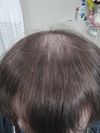
User noticed beard and sideburn hair loss, and thinning eyebrows, diagnosed with alopecia barbae and male pattern baldness, and prescribed Desonide cream. User seeks feedback on Desonide cream.
Finasteride is being used by a 17-year-old concerned about its impact on height while still growing. The user has been balding since age 13 and was recently diagnosed with androgenetic alopecia.
The user started using minoxidil and finasteride for hair loss treatment six months ago, with some improvement in mental health and manageable side effects. They are considering switching minoxidil brands due to dissatisfaction and are focusing on stress management and lifestyle changes to improve scalp health.
A user suspects Ritalin is causing hair loss due to vasoconstriction and is considering trying Ginkgo Biloba after already taking a multivitamin and hair supplement. Another user mentions experiencing hair shedding with Vyvanse and Dexedrine.
Finasteride is a controversial hair loss treatment, with some users experiencing positive results and others facing side effects like erectile dysfunction. The discussion emphasizes the importance of personal choice and informed decision-making.
The conversation discusses hair thinning and treatments like finasteride, dutasteride, oral and topical minoxidil, and RU58841. Users share experiences with retrograde alopecia, hair transplants, and stress-related hair loss, while also considering thyroid issues and other potential causes.
A 24-year-old male is experiencing hair thinning and feels hopeless, considering treatments like finasteride and minoxidil but is concerned they might not work. He is also contemplating a dermatologist visit and is unable to afford a hair transplant.
The conversation discusses a new model for understanding androgenetic alopecia (AGA), linking it to dietary and lifestyle factors similar to PCOS, and highlighting the role of DHT, vascular damage, and inflammation. Treatments mentioned include Minoxidil, finasteride, and RU58841.
The conversation is about someone's experience with hair loss and their progress using dutasteride, a treatment for hair loss. Specific treatments mentioned include Minoxidil, finasteride, and RU58841.
The user is experiencing severe hair loss and color change despite low testosterone levels and healthy lifestyle changes. They have tried ketoconazole shampoo and consulted a dermatologist, who found no scalp issues but suggested using Toppik for coverage.
The effects of hair loss on mental health, treatments such as finasteride, minoxidil, RU58841 and microneedling red light therapy, and the realization that while treating hair loss can be beneficial, it does not solve all underlying insecurities.
A 22-year-old with high estradiol levels is considering starting finasteride for hair loss. They have an upcoming endocrinologist appointment to discuss whether they should proceed with the treatment.
A user experienced severe side effects, including erectile dysfunction and testicular pain, after taking finasteride for hair loss. They recommend sticking to minoxidil and biotin and avoiding finasteride due to potential risks.
A 22-year-old experiencing hair loss and persistent scalp itchiness since age 16 has tried various treatments, including finasteride, ketoconazole shampoo, and dietary changes, with no success. Suggestions include consulting a knowledgeable dermatologist, considering seborrheic dermatitis, and trying different shampoos like Selsun Blue or those with selenium sulfide.
A user started taking finasteride three months ago to treat hair loss and unexpectedly cleared their acne, which they had been struggling with since age 12. The conversation includes others sharing their experiences with finasteride, its effects on acne and hair loss, and mentions a related treatment, clascoterone, for acne and hair loss.
Fit individuals often have full heads of hair, possibly due to lifestyle factors like exercise and diet, while those who are less fit tend to experience more hair loss. Some fit individuals may also use treatments like finasteride and minoxidil to maintain their hair.
The conversation discusses the importance of scalp biopsies for diagnosing hair loss conditions like DUPA and Retrograde, which may not be just AGA. It emphasizes that treatments like finasteride and dutasteride may not work if the condition is autoimmune.
Hair loss is a common issue, with treatments like finasteride and minoxidil used but not as permanent cures. Frustration exists over societal perceptions and the lack of a definitive solution.
The user changed their hair loss treatment in October/November, experienced increased shedding, and now sees no new hair growth, with a worsening condition and a possible bald spot. They also have severe seborrheic dermatitis, which may be affecting their scalp and hair loss.
The conversation discusses hair loss concerns, with suggestions to use finasteride (Fin) and minoxidil (Min) as treatments. Stress, creatine in protein shakes, and male pattern baldness are considered potential factors.
The emotional and psychological impact of hair loss in young people, how to cope with it, and potential treatments such as finasteride, RU58841, Minoxidil, SMP, and hair transplants.
The conversation is about the prevalence of baldness among young men and the potential factors contributing to it. Specific treatments mentioned include minoxidil and finasteride.
People making comments on others' hair loss, and the different strategies used to deal with it. Treatments mentioned include finasteride and minoxidil.
A user is concerned that finasteride isn't working for their hair loss, questioning if it's due to male pattern baldness or low iron levels. They are advised to take finasteride daily and get blood work done.
The user experienced a panic attack after adding 5% topical minoxidil to their routine, which already included oral finasteride and minoxidil, and microneedling. They are seeking advice on whether microneedling increased absorption and if the anxiety attacks will subside.
A 33-year-old male has been using finasteride 1mg for nearly 4 years, experiencing stabilized hair loss and some regrowth but also cognitive issues. He is considering reducing the dose or switching to topical finasteride with minoxidil to maintain hair while minimizing cognitive side effects.
Prolactin and cortisol are identified as key factors in hair loss, with stress hormones impacting hair shedding. Finasteride and minoxidil are effective treatments, while DHT's role and individual sensitivity are significant factors.
Concerns about the long-term effects of dutasteride and finasteride on fertility, with discussions on cycling these medications to mitigate risks. The conversation highlights skepticism about study methodologies and the importance of weighing treatment risks against potential fertility issues.
The emotional impact of hair loss and the risks associated with common treatments such as finasteride, dutasteride, minoxidil, RU58841, and Fluridil. People discussed their personal experiences with these treatments, including potential side effects and lowered fertility. Hair transplants were also mentioned as a possible solution.