Hair loss discussion includes Pyrilutamide, Minoxidil, and Finasteride. One user shares 3 weeks of Pyrilutamide use with no sideeffects, unsure of product legitimacy.
A 20-year-old male experienced mental fog after resuming topical minoxidil for hair loss, questioning if it's due to interactions with antidepressants. Suggestions included trying a lower concentration of minoxidil or alternatives like copper peptides.
The user is experiencing worsening hair loss despite using finasteride and is advised to add minoxidil to their treatment. Concerns about sideeffects and the effectiveness of combining finasteride and minoxidil are discussed.
A user had a bad reaction to Finasteride, experiencing anxiety and fatigue, and is seeking alternative hair loss treatments since they can't use Finasteride or Minoxidil. Suggestions include trying low doses of Finasteride, making a topical version, or using other treatments like Alfatradiol, but the user is hesitant to use Finasteride again and is considering a hair transplant.
A user expressed disappointment that their hair loss worsened after 11 months using topical finasteride with TrichoSol, despite no sideeffects and initial signs of improvement. They asked for advice and opinions on their treatment and alternatives, with suggestions including switching to oral finasteride or dutasteride, starting minoxidil, and addressing their seborrheic dermatitis with different shampoos or medical advice.
An 18-year-old is considering splitting 5mg Finasteride pills into 1.25mg doses to save money, but is concerned about potential hormonal fluctuations and sideeffects due to his age. Users advise caution, suggest consulting a doctor, and recommend considering lower or less frequent doses.
The user has been using finasteride for three months without improvement and is considering switching to dutasteride due to ongoing hair shedding and sideeffects. They are also inconsistently using minoxidil.
The conversation discusses concerns about potential sideeffects, specifically gynecomastia, from taking 1mg of finasteride every other day for hair loss. Bloodwork results were shared, but more information was requested to provide advice.
Finasteride can cause scalp itch and inflammation, possibly due to DHT changes, but these effects are often temporary and part of the shedding phase. Consistent use of finasteride may show results after 6 months, with potential hair regrowth and slowed hair loss.
The user reduced their finasteride dosage from 1.25mg to 1mg and experienced scalp burning and itching. They are concerned about potential hair loss and are seeking advice from others who have made similar dosage changes.
The user has been taking dutasteride for 8 months and finasteride before that, with normal DHT levels but high estradiol and prolactin, leading to sexual sideeffects. The user is disappointed with these results.
Switching from finasteride to dutasteride can cause initial shedding, but many see long-term hair regrowth and stabilization. Responses vary, with some experiencing fewer sideeffects and others finding it less effective.
The user experienced sideeffects from oral finasteride and switched to a DIY topical solution, then to Essegen F. They noticed increased hair shedding with the topical finasteride and are concerned about its normalcy and duration.
The user's experience taking Pyrilutamide, a drug for hair loss treatment, and their use of it in combination with other treatments such as Minoxidil, Finasteride and RU58841. They have experienced positive results so far with no major sideeffects.
The conversation discusses the potential effects of ashwagandha on hair loss and anxiety, with users sharing mixed experiences. Some users caution against ashwagandha due to its potential to increase testosterone and DHT, which could counteract finasteride's benefits, while others suggest alternative methods like exercise, cold showers, or different supplements for managing anxiety.
The conversation is about using Bimatoprost for hair growth, with concerns about potential sideeffects like eye color change and fat atrophy. Users discuss combining it with other treatments like Minoxidil and Finasteride, and sourcing Bimatoprost in bulk.
Using dutasteride or finasteride can increase free testosterone, which may convert to estradiol, potentially causing sideeffects like increased estrogen levels. Individual responses vary, and some users report changes in cholesterol, hair texture, and sideeffects like gyno or increased sex drive.
Long-term finasteride use typically slows hair loss, with some users experiencing sideeffects like sexual dysfunction and depression. Many users also use minoxidil and dutasteride for improved results, though individual responses vary.
A user who has been using Pyrilutamide for 19 days, experiencing some hair thickening in the right temple and crown area but also having ball ache after microneedling; other users offer advice, caution and skepticism as to whether results can be seen in such a short time.
The user successfully overcame finasteride sideeffects by lowering the dosage and adding zinc and vitamin B6 supplements. They also micro-dosed dutasteride and resumed weight lifting.
Finasteride is effective in promoting hair growth and reversing hair miniaturization in men with androgenetic alopecia, with improvements seen in various studies over different durations. Some users report initial sideeffects like ball ache, which often resolve as the body adjusts.
The user started oral finasteride and minoxidil for hair thinning but noticed increased hair shedding after three weeks. They are concerned and seeking advice on coping with this sideeffect.
User made progress with hair loss using Fin, Min, and microneedling. Experienced sideeffects like improved skin, brain fog, and memory issues, but adjusting Fin dosage helped.
The user stopped using finasteride after two weeks due to gynecomastia symptoms and shared blood work results questioning if they indicate a cause for the sideeffects. The user is considering restarting finasteride and seeking advice on their blood work levels in relation to gynecomastia.
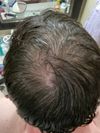
The conversation is about using pyrilutamide and RU58841 as topical solutions to prevent hair loss. Pyrilutamide is considered safer but less potent than RU58841, which some users find effective despite potential sideeffects like heart palpitations.
Switching from dutasteride to finasteride caused increased hair loss, dandruff, depression, and erectile dysfunction. The user plans to return to dutasteride, possibly with minoxidil, and is considering dosing strategies to manage sideeffects and regrowth.
A user (seblt) who has had sideeffects from finasteride, minoxidil and RU58841 but is now trying pyrilutamide as a last resort, with other users providing advice and support. They have already seen some baby hairs growing after 10-14 days of treatment and will provide updates in 1-2 weeks.
The conversation discusses whether dutasteride might cause less depression than finasteride for hair loss treatment, with some users suggesting it could due to different mechanisms of action or molecular size, while others express skepticism or share personal experiences with these medications.
The user experienced hair improvement after six months of using 1mg oral finasteride, with some sideeffects like reduced libido and initial mood changes. They are considering adding oral minoxidil for further regrowth.
Hair loss discussion includes treatments Minoxidil, Finasteride, and RU58841. Prolactin's role in immune system's antitumor activity raises safety concerns for HMI-115.