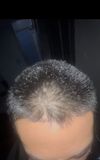
OP is experiencing significant hair loss despite GFC and PRP treatments and has abnormal lab results. They are advised to consult a hair-focused dermatologist for further evaluation.
Hair loss treatments like finasteride, dutasteride, minoxidil, and RU58841. Users discuss "DHT itch" at receding hairlines and suggest using dutasteride or ketoconazole shampoo for relief.
Minoxidil use led to excessive eyebrow and forehead hair growth, prompting grooming advice like waxing, tweezing, and shaving. Some suggested reducing dosage or considering electrolysis for permanent hair removal.
The user is frustrated with dermatologists who dismiss Minoxidil and finasteride as unsafe, instead recommending mustard oil, PRP, zinc supplements, and hair products. The user feels these suggestions are ineffective and is considering starting Minoxidil and finasteride despite the dermatologists' advice.
The user is concerned about patchy hair regrowth after 5.5 months of treatment. They are questioning if more hair growth can be expected in the upcoming months.
A 23-year-old male uses minoxidil and finasteride daily for androgenetic alopecia and is concerned about dandruff, which a dermatologist addressed with two serums. He uses ketoconazole shampoo twice a week to manage scalp issues.
The user shared their bloodwork results showing DHT at 17 ng/dl and testosterone at 287 ng/dl, with a slight Vitamin D deficiency. They are seeking opinions on these levels and have an upcoming dermatologist appointment.
Why androgenic alopecia affects the scalp rather than other body parts, potential explanations for this phenomenon, treatments available to combat hair loss, and the implications of male attractiveness in modern society.
A 17-year-old male experiencing significant hair loss is using a prescribed topical treatment containing Minoxidil, Tretinoin, Dutasteride, and Latanoprost. He expresses concerns about the potential side effects of Dutasteride and oral Finasteride, and seeks advice on whether to continue with the treatment or consider alternatives.
A 19-year-old is experiencing worsening hair loss and severe seborrheic dermatitis despite using finasteride for six months. Nizoral (ketoconazole) is no longer effective, and they are seeking over-the-counter solutions and advice for an upcoming dermatologist visit.
The conversation discusses a user's hair growth routine involving scalp massages, dermastamping, and rosemary oil, with mixed opinions on its effectiveness. Some users suggest proven treatments like minoxidil and finasteride, while others debate the merits of alternative methods.
A 58-year-old uses finasteride for hair loss and has tried various shampoos, finding Equate T-gel effective for controlling itching. Nizoral was previously effective but no longer works, and DermaKB hasn't been used long enough to assess its effectiveness.
A 78-year-old man regrew hair after suffering burns, suggesting that injury-induced healing processes might trigger hair growth. Microneedling and other treatments like minoxidil and finasteride are discussed as potential methods to stimulate similar regrowth.
Hair loss theories discussed include poor blood flow, scalp tension, inflammation, and DHT. Treatments mentioned are massaging scalp, minoxidil, finasteride, and RU58841.
AH-001 is a new topical treatment designed to degrade androgen receptors, targeting the root cause of androgenetic alopecia without the side effects of oral treatments like finasteride. It has shown a strong safety profile and good local tolerability in early trials.
The user has not seen results from various hair loss treatments including finasteride, dutasteride, minoxidil, and others over several years and is considering adding RU58841 and starting hormone replacement therapy. They are also experiencing anxiety and contemplating moving to a more accepting environment for their nonbinary identity.
Hair loss treatments, including PP405, minoxidil, finasteride, and RU58841, with hopes for future solutions. Participants discuss the emotional impact of hair loss and consider alternatives like hair transplants or acceptance.
PP405 shows initial promise for treating androgenetic alopecia, with safety confirmed in early trials, but skepticism remains due to limited data. Further trials are needed to determine its true efficacy and potential market impact.
A 15-year-old is experiencing hair loss and is considering treatment options. They are aware they cannot use DHT blockers like finasteride due to their age and are exploring other causes like Telogen Effluvium.
A user is starting topical finasteride and minoxidil 3 times a week for hair loss and is experiencing high anxiety about the treatment's effectiveness and potential side effects. They are also taking vitamin D3 daily and are concerned about the application method and possible shedding.
A 22-year-old male is experiencing hair loss and has been using topical minoxidil and anti-dandruff shampoo for six months without improvement. Suggestions include adding finasteride to the routine and considering treatments for potential scalp issues like seborrheic dermatitis.
A user is experiencing facial bloating from low-dose topical finasteride due to high estradiol levels and is seeking advice on using DIM to manage this issue, including dosage and brand recommendations.
The reduction in scalp oiliness is likely due to finasteride reducing DHT levels and the use of ketoconazole shampoo. The combination of these treatments may have decreased sebum production.
A 17-year-old experiencing hair thinning uses dermarolling with rosemary oil and plans to start finasteride at 18. A reply suggests using finasteride and minoxidil due to high DHT sensitivity.
The user has been using topical minoxidil for over a year and added kx826/pyrilutamide to improve hair growth, avoiding finasteride due to side effects like lowered libido and panic attacks. They report positive results with reduced shedding and healthier hair, particularly in areas previously unresponsive to minoxidil.
A 30-year-old female with PCOS and male pattern baldness is frustrated with her endocrinologist's recommendation of only Spironolactone and minoxidil, feeling that dutasteride, finasteride, and progesterone would be more effective. Other users suggest various online sources for treatments, warn against self-medicating due to potential risks, and recommend seeking a specialized endocrinologist or considering additional treatments like Inositol, Berberine, and dermaneedling.
Prolonged use of topical minoxidil and finasteride can lead to neuroendocrine and autonomic dysfunction, causing severe sensitivity and side effects. Recovery involves avoiding these treatments, supporting neurosteroid recovery, calming the sympathetic system, and rebuilding scalp health naturally.