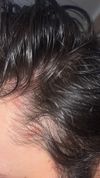
A 27-year-old male experienced hair loss and dermatitis, which improved with tea tree oil and neem extract. He is considering using a 2% Ketoconazole solution for further treatment.
The conversation discusses using cetirizine (Zyrtec) topically to relieve scalp itch associated with hair loss and suggests it may also benefit androgenetic alopecia (AGA). One person found relief from scalp itch after three months on finasteride, noting the itch was linked to areas where hair was lost.
The user has been using finasteride, dutasteride, and RU58841 for hair loss without success and feels extremely uncomfortable with their appearance, including being bald and short. They express deep unhappiness and social isolation. Suggestions from others include adopting stoicism, focusing on personal development, considering a hair system, improving fashion, working out, and seeking therapy for mental health.
The user is experiencing scalp irritation and hair thinning, possibly due to stress, with red patches on the face and dry skin. They are considering seeing a dermatologist and have used tea tree and rosemary oil.
Dermatologists use treatments like oral minoxidil, finasteride, and RU58841 for male-pattern baldness, considering side effects and patient preferences. Photobiomodulation is noted as mildly effective but costly, while PRP is debated for its effectiveness compared to microneedling.
The user started using minoxidil foam daily after two years on finasteride and is managing seborrheic dermatitis with antifungal shampoo. They seek advice on moisturizing products that won't worsen their condition, with suggestions including gentle shampoos and light ceramide serums.
An 18-year-old woman experiencing hair loss due to stress, possible PCOS, and low vitamin D is concerned about starting 5% minoxidil foam, prescribed by her doctor, due to potential facial hair growth. She is also using a topical steroid for scalp sensitivity and pain.
A 19-year-old diagnosed with AGA was refused finasteride by a dermatologist who cited fertility concerns and prescribed minoxidil, vitamins, and shampoos instead. The user is unsure about using minoxidil and considers finding another dermatologist.
A 30-year-old male with thinning hair and an itchy, oily scalp found that hydrocortisone cream eliminated dandruff and itching and seemed to thicken his hair. He avoided minoxidil and finasteride due to potential side effects and noted that Nizoral and Head & Shoulders worsened his symptoms.
A user experienced rapid hair loss and was prescribed Desonide cream for mild Alopecia. They are seeking feedback on its effectiveness and potential side effects.
A user visited a dermatologist for hair loss concerns and was prescribed a hair lotion called "Lotion revolotion evdermia," which is meant for hair toning, hydration, and anti-aging, not regrowth. The user found the dermatologist's behavior and the prescription to be questionable.
Hair loss affects mental health, with negative comments from others being common. Treatments like finasteride and minoxidil are used, and some focus on self-improvement and humor to handle societal judgments.
The conversation discusses hair loss, with users suggesting treatments like ketoconazole shampoo, finasteride, and dutasteride. Symptoms like burning and tenderness are mentioned, with recommendations to see a dermatologist for potential scarring alopecia.
Male pattern baldness can occur with or without an oily scalp, but an oily scalp and seborrheic dermatitis can worsen the condition. Treatments like finasteride, minoxidil, and ketoconazole shampoo are used, and managing diet and scalp care can help control symptoms.
A medical student experienced hair loss slowing with Finasteride but developed severe, treatment-resistant insomnia. They tried various medications with little effect, suspecting Post-Finasteride Syndrome, and others suggested the insomnia might be linked to Finasteride's impact on neurosteroids.
Finasteride and dutasteride can cause psychiatric side effects like depression and suicidal thoughts in some users, especially those with a history of mental health issues. While some users experience positive hair growth results, others face severe psychological effects, raising concerns about their safety and the need for careful monitoring.
A 24-year-old is struggling with severe depression and anxiety due to hair loss, despite using dutasteride and oral minoxidil for two years. They are advised to consider shaving their head, exploring wigs or hair systems, and focusing on other aspects of life like health, relationships, and career.
Treating the itch associated with male pattern baldness, which is believed to be caused by DHT. Potential treatments discussed include salt water, finasteride, ketoconazole, and RU58841.
Male pattern baldness (MPB) may be an early warning sign for type 2 diabetes due to its association with insulin resistance. Treatments discussed include testosterone therapy and finasteride, which affects hormone levels related to hair loss and insulin sensitivity.
The user added P5P (vitamin B6) to their shampoo to reduce scalp itch, which improved significantly. They have been using finasteride for hair loss but are exploring additional treatments like topical antiandrogens and prolactin inhibitors.
The user switched from finasteride to 2.5 mg dutasteride daily and added 1% pyrilutamide to address persistent scalp itch, but the itch remains. They also use 2% ketoconazole and 2.5% selenium sulfide shampoo for temporary relief.
A person feels intense shame and self-hatred due to baldness and poor self-image, affecting their confidence and social interactions. Suggestions include therapy, exercise, braces, hair transplants, and using finasteride.
OP struggles with scalp flakes causing hair loss and has tried Selsun Blue, Ketoconazole, and ZPT Shampoo without success. Suggestions include using salicylic acid shampoo, shaving the head, using Nizoral, and combining treatments like Minoxidil and finasteride.
A user is experiencing significant hair loss and scalp issues despite using Minoxidil, finasteride, and RU58841 since 2017. They switched to oral Minoxidil and are now on isotretinoin and topical corticosteroids for seborrheic dermatitis but continue to lose hair and seek advice on whether inflammation or treatment changes are the cause.
Lichen Planopilaris (LPP) is an autoimmune condition causing permanent hair loss and fibrosis, often misdiagnosed. Treatments include pioglitazone, topical corticosteroids, anti-inflammatory medication, and Jak inhibitors.
PP405 shows promise in regenerating hair by activating dormant follicles. Other treatments like VDPHL01 and Breezula are also advancing, providing new hope for hair loss solutions.
The dermatologist diagnosed androgenic alopecia and prescribed minoxidil and a shampoo for dandruff, avoiding finasteride due to side effects. The user questions the dermatologist's approach and considers seeking a second opinion due to concerns about the lack of a physical scalp check initially.
The user has been experiencing severe scalp itching and red spots after using finasteride for two years, suspecting possible allergies or a fungal infection. Despite trying ketoconazole shampoo and stopping saw palmetto supplements, the symptoms persist, leading to increased hair loss.