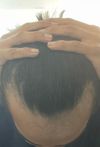
The user is experiencing irritation from using PG with RU58841 and is seeking alternative solutions like K&B in the UK. They report redness, itchiness, and flaky skin from the current treatment.
The user shared their experience with CB-03-01 (Breezula/Clascoterone) for hair loss, noting reduced shedding and improved hair appearance but experiencing significant sleep disturbances and low energy due to HPA axis suppression. They decided to stop using it due to these side effects and are waiting for GT20029 as an alternative.
Hair loss significantly impacts self-perception and attractiveness, with treatments like finasteride, minoxidil, and hair transplants suggested. The conversation highlights the emotional struggle and societal perceptions tied to hair loss.
After suffering from hair loss and trying various treatments like finasteride, minoxidil, RU58841, and scalp micropigmentation without lasting success, the individual found freedom and a renewed sense of self by shaving their head and accepting their baldness. They encourage others struggling with hair loss to not waste years searching for a cure and to consider embracing a shaved head as a positive solution.
How diffuse unpatterned alopecia (DUPA) is not an invitation to self-diagnose oneself with aggressive AGA and that seeking a specialized dermatologist may help people experiencing hair loss. Treatment options discussed include topical clobetasol propionate, oral minoxidil, and discontinuing finasteride.
The user shared their personal experience with hair loss, hormone imbalances, and treatments including testosterone boosters, natural estrogen blockers, and DHEA. They suggest that low-dose finasteride and natural hormone therapy could reduce hair loss with fewer side effects.
Finasteride users report reduced libido and increased hair shedding initially, but some see these as temporary or manageable side effects. Vitamin E and D-3 supplements are discussed as potential aids for libido and mood.
The conversation discusses severe hair shedding and thinning, with the original poster using finasteride, oral minoxidil, and other supplements without improvement. The discussion highlights the possibility of telogen effluvium and the importance of addressing potential underlying health issues, such as stress and gut health, rather than assuming diffuse unpatterned alopecia (DUPA).
Dr. Couto recommends taking finasteride in the morning to align with peak testosterone and DHT production for better effectiveness. Oral minoxidil is acknowledged as better than topical, but the focus is on stabilizing hair loss with finasteride first.
The user has been using finasteride, minoxidil, and dermastamping, and started HRT 4 months ago but feels discouraged about progress. Other users see significant improvement and offer encouragement.
The user is considering stopping dutasteride and minoxidil due to side effects like low mood and depression after three weeks of use. They are concerned about hair shedding and are contemplating switching to just minoxidil to see if it helps without affecting mental health.
The conversation concludes that finasteride, a 5α-Reductase inhibitor used for hair loss, does not impair cognition either short-term or long-term. It suggests "brain fog" is not caused by the medication.
A user shared their experience with hair loss treatments, including finasteride, topical finasteride, derma rolling, melaleuca oil, caffeine powder, topical vitamin D, keto shampoo, and revive shampoo. They also changed their diet to address psoriasis and leaky gut.
Staying positive and managing stress may slow hair loss, but treatments like finasteride, minoxidil, and dutasteride are essential for managing male pattern baldness. Stress can accelerate hair loss, but genetics play a significant role, and early treatment is crucial.
A poem humorously suggests hope for a new hair loss treatment, PP405, while users debate the effectiveness and side effects of current treatments like Finasteride. Concerns are raised about Finasteride's side effects, especially for young users, and skepticism about new treatments is expressed.
A person is struggling with hair loss and mental health issues, using treatments like dutasteride and minoxidil, and planning a hair transplant. They recently discovered their biological father is bald, causing additional stress, but are encouraged by others to focus on their treatment success and seek professional help for their mental health.
The user experienced side effects from finasteride and found improved mood and performance with DHT, but it worsened hair loss. They are considering options like TRT, HCG, and topical treatments like Saw Palmetto, but struggle with balancing hair preservation and functionality.
A doctor advised against using finasteride or dutasteride for hair loss, suggesting PRP or mesotherapy instead, which led to skepticism about his motives. Many users recommended finding a new doctor and shared experiences of successful treatments with finasteride or dutasteride.
Analyzing data on pyrilutamide, a potential hair loss treatment, as well as the effectiveness of other treatments such as Minoxidil, Finasteride, and RU58841.
A 28-year-old started using finasteride and minoxidil for hair loss and is frustrated by insensitive comments from others about his balding, which is a sensitive topic for him. People, including a girl he's seeing, have made hurtful remarks, and the conversation includes discussions on societal double standards and advice to ignore such comments and focus on self-improvement.
Young men experiencing hair loss are frustrated with advice to embrace baldness without exploring treatments. They advocate for using finasteride and minoxidil, considering hair transplants, and hope for future advancements in hair restoration.
The conversation is a humorous take on someone's reaction after their first dose of finasteride for hair loss. Specific treatments mentioned include scalp massage and a protocol of manifestation twice daily.
New hair loss treatments PP405 and VDPHL01 are discussed with skepticism and hope, alongside existing treatments like minoxidil and finasteride. Users express frustration over limited progress since the 1980s but remain cautiously optimistic.
A user's experience with hair loss treatments, including finasteride and other options such as RU58841, Nizoral, Pumpkin Seed, and Adenosine; the importance of being in a positive frame of mind when considering taking finasteride; and the need to address life issues before starting finasteride.
The user is experiencing severe side effects from finasteride, including sleep issues, depression, and gynecomastia, and is considering stopping the medication. They are exploring other treatments like RU58841 and dutasteride but are hesitant due to potential side effects.
A user experienced a loss of libido and anhedonia after severe dietary restriction while on Finasteride and Minoxidil for hair loss. They are considering reducing the Finasteride dose or taking a break to see if symptoms improve.
A 19-year-old concerned about long-term effects of 5AR inhibitors on physical appearance. They have used finasteride and plan to try dutasteride or RU58841; responses suggest improved skin, hair, and confidence.
The user stopped taking Finasteride after 8 years to try for kids but noticed hair loss and reduced anxiety. They are considering resuming Finasteride to prevent further hair loss.
Finasteride and minoxidil significantly improved the user's hair and acne, boosting their confidence and helping them regain self-esteem. Dermarolling also contributed to hair regrowth, and the user continues to see improvements at 27 years old.
A 22 year old man who is experiencing hair loss, thinning and dry scalp, has tried treatments such as finasteride and minoxidil, and other users sharing their experiences with similar issues.