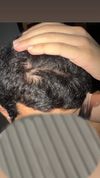
Treating hair loss with finasteride, dutasteride and minoxidil, as well as micro-needling, potentially using research chemicals such as Pyril and Senzu Beans.
PP405 shows promise in treating severe hair loss, with 31% of users experiencing over 20% hair density increase in four weeks, faster than minoxidil and finasteride. Some users are skeptical about the results' significance and long-term efficacy.
The conversation discusses the use of peptides C60 and GHK-Cu for hair growth. Participants are sharing their experiences or knowledge about these treatments.
A 22-year-old experiencing hair loss, initially attributed to stress, found temporary relief with minoxidil but faced increased shedding after stopping and restarting the treatment. The advice given suggests the hair loss may be due to androgenic alopecia rather than stress, recommending consistent use of minoxidil and considering finasteride, with a suggestion to seek a second opinion from another dermatologist.
Pelage Pharmaceuticals announced positive Phase 2a trial results for PP405 in hair loss therapy. The conversation discusses the delay in publishing full results and the need for further trials and approvals.
A college student is embarrassed after their roommate found and mocked their hair loss medications, including Minoxidil and finasteride. The student is advised to report the privacy violation and consider finding a new roommate.
A 25-year-old male experiencing diffuse thinning is advised to address high TSH levels and low iron, and consider treatments like finasteride. Weight loss and improved diet are also suggested to potentially help with hair health.
Topical finasteride as a potential alternative to oral finasteride for reducing DHT levels on the scalp with fewer side effects, and other hair loss treatments such as minoxidil.
A 19-year-old has been using finasteride for 3 months to treat hair loss and is experiencing side effects like erectile dysfunction and dizziness. They plan to continue with a reduced dosage while monitoring their health and are seeking advice from others with similar experiences.
The user has been using finasteride and minoxidil, then switched to dutasteride and minoxidil for six months without significant results, noticing thinning after increasing creatine dosage. They plan to consult a dermatologist to explore potential causes beyond androgenetic alopecia.
The conversation discusses hair loss and treatments like finasteride, minoxidil, and ketoconazole shampoo. Users suggest scalp massages, warm showers, and other methods to address scalp tension and tight spots, with some mentioning the potential effects of medications like escitalopram and probiotics.
A dental technician claims malocclusion causes pattern hair loss due to poor scalp circulation. Users debate this, noting treatments like finasteride, minoxidil, and microneedling focus on DHT and blood flow.
The conversation is about skepticism regarding new hair loss treatments until they are FDA approved. People have been joking about treatments being 5-7 years away for decades.
The user stopped taking Finasteride after 8 years to try for kids but noticed hair loss and reduced anxiety. They are considering resuming Finasteride to prevent further hair loss.
Considering alternative treatments to hair loss, such as platelet-rich plasma (PRP) and exosome therapy, instead of using medications like minoxidil, finasteride/dutasteride.
Some individuals experience hair loss despite using treatments like 2.5 mg dutasteride, finasteride, and minoxidil, suggesting sensitivity to DHT or other factors. Various treatments and lifestyle changes are discussed, but results vary, and some consider hair transplants or other solutions.
The conversation is about the long-term safety trial results for pyrilutamide, which are expected soon. Treatments mentioned include Minoxidil, finasteride, and RU58841.
The user plans to test for DHT, total testosterone, free testosterone, E2, SHBG, and prolactin while supplementing with vitamin D and monitoring ferritin levels. They are experiencing hairline thinning and are seeking advice on whether their approach is excessive or lacking.
PP405 is being discussed as a potential treatment for hair loss, with uncertainty about its effectiveness compared to existing treatments like finasteride, dutasteride, and minoxidil. There is cautious optimism, but its impact on hair transplants remains unclear.
The conversation reassures a woman concerned about thinning hair on her crown, suggesting her hair appears normal and not thinning. Some users recommend prenatal vitamins for hair health, while others attribute the appearance to contrast between dark hair and a pale scalp.
The conversation humorously discusses using "pure willpower" as a method to combat hair loss, alongside treatments like dutasteride, finasteride, and RU58841. The original poster claims that this unconventional approach, involving shouting affirmations and avoiding distractions, has led to noticeable hair regrowth.
People are hopeful about future hair loss treatments like PP405, GT20029, and VDPHL01, while some are currently using finasteride and minoxidil. There is skepticism about the effectiveness of new treatments, and some advise against hair transplants until more promising drugs are available.
Genetics mainly cause hair loss, but diet, stress, smoking, and alcohol can worsen it. Treatments include finasteride, minoxidil, and lifestyle changes like a healthy diet and avoiding caffeine.
The user reports that using topical Dutasteride has stopped their hair loss, and they are curious about potential side effects and regrowth. They also mention having scalp psoriasis and past SSRI use affecting libido.
A 21-year-old male is experiencing hair shedding, possibly due to stress from a breakup, and is using minoxidil and drinking green tea to address it. Others suggest stress as a cause and recommend consulting a dermatologist if it persists.
12 companies having drugs or therapies in clinical trials during 2023, with various molecules and phases of trial; the probability that some may fail; and progress being made in the field.
PP405 is expected to be a promising addition to hair loss treatments, potentially working well with existing treatments like finasteride and minoxidil, but not as a standalone solution. Users are hopeful for its effectiveness, especially in combination with other treatments, though expectations vary.
PP405 is expected to finish Phase 2 trials in late 2025, with potential market availability around 2028-2029 if all goes well. Current treatments like finasteride and minoxidil are still popular, while new options like KX-826 and Breezula are anticipated soon.
Hair loss discussion includes Amplifica, a new treatment by Dr. Rassman and Dr. Plikus using molecules from hairy moles. No progress updates mentioned.