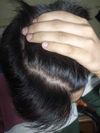
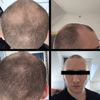
The user stopped using finasteride and RU58841 and is considering CB-03-01 for androgenic alopecia but is concerned about the cost and effectiveness, especially at a lower dose than in clinical trials. They are also using minoxidil, micro-needling, and nizoral shampoo but are unsure about the correct application method for CB-03-01.
The conversation discusses the difficulty in distinguishing between side effects of finasteride (like brain fog and loss of libido) and depression caused by hair loss. Users share experiences of severe depression while on finasteride, leading some to stop the treatment despite anxiety over hair loss.
The conversation discusses a new model for understanding androgenetic alopecia (AGA), linking it to dietary and lifestyle factors similar to PCOS, and highlighting the role of DHT, vascular damage, and inflammation. Treatments mentioned include Minoxidil, finasteride, and RU58841.
Finasteride, dutasteride, saw palmetto, caffeine, spironolactone, acetyltetrapeptides, tea tree oil, hydrocortisone, zinc pyrithione, latanoprost, melatonin, marine protein supplements, PRP, microneedling, and valproate are discussed as treatments for hair loss. DHT reduction and inflammation control are key strategies.
A 27-year-old woman is seeking advice on hair loss treatments, considering options like Spiro, Viviscal tablets, Rogaine, dermarolling, Nizoral shampoo, saw palmetto, castor oil, jojoba oil, and spearmint tea. She has a history of hair loss since childhood, has tried various treatments, and is looking for effective solutions before accepting her condition.
Late 20s woman struggles with worsening hair loss and tried various treatments without success. Now trying spironolactone and ketokonazole shampoo, hoping for improvement.
Essential oils like rosemary, thyme, lavender, and cedar wood in a carrier oil may effectively treat alopecia areata and potentially male pattern baldness by stimulating the scalp similarly to minoxidil. The user plans to try this routine and share results.
Concerns about finasteride's side effects on neurosteroids and brain health, with skepticism towards Kevin Mann's advice. Users discuss using finasteride, minoxidil, and RU58841 for hair loss, with mixed opinions on their safety and effectiveness.
A 19-year-old with diffuse hair thinning and erectile dysfunction is considering starting Propecia (finasteride) while already using a minoxidil solution with anti-androgens. Concerns are raised about the psychological nature of erectile dysfunction and the potential systemic effects of anti-androgens, with suggestions to address porn addiction and consult a doctor about hormone therapy.
The user's hair appears to have improved, looking thicker and healthier, especially around the temples, after using topical minoxidil, finasteride, dutasteride, and tretinoin. Most participants agree the last picture shows significant improvement, though one disagrees.
Finasteride and Nizoral shampoo with Ketoconazole are used for hair loss treatment. Liquid Chromatography–Mass Spectrometry (LC-MS) is recommended over Enzyme-Linked Immunosorbent Assay (ELISA) for more accurate DHT testing.
A 17-year-old is concerned about hair loss and shares photos for opinions. A user responds that the hair looks normal but is hard to assess from the images.
Finasteride helped users feel better about hair loss, with some experiencing positive changes in confidence and reduced anxiety. Despite initial concerns, users reported satisfaction with the treatment over several months.
The conversation is about hair loss and the effectiveness of treatments like finasteride, with one user expressing satisfaction after seeing hair regrowth on CCTV. Other users share their experiences with hair visibility and discuss the effectiveness of finasteride compared to dutasteride.
The user is concerned about hair loss and is considering treatments like finasteride and minoxidil but is unsure about their effectiveness and side effects. They have experienced mixed reactions to shaving their head and are struggling with confidence due to balding.
The user recovered from Post-Finasteride Syndrome (PFS) using a specific hormone protocol after trying finasteride and dutasteride. They now help others with PFS by reviewing blood work and offering personalized advice.
High estradiol levels may contribute to erectile dysfunction (ED) and can be addressed with lifestyle changes or medication. It's important to consult a medical professional for treatment options.
A user experienced burning, itching, and soreness on their scalp after a perm in 2021, despite using oral finasteride, oral minoxidil, and ketoconazole shampoo. They are seeking advice on whether to pursue further medical tests or consult a neurologist for nerve pain.
The possible increased risk of severe Covid-19 cases in men due to higher androgen levels, and how taking medications such as finasteride, dutasteride, spironolactone, enzalutamide, or canabidiol might help mitigate the severity of the disease.
How diffuse unpatterned alopecia (DUPA) is not an invitation to self-diagnose oneself with aggressive AGA and that seeking a specialized dermatologist may help people experiencing hair loss. Treatment options discussed include topical clobetasol propionate, oral minoxidil, and discontinuing finasteride.
The conversation discusses the side effects of finasteride, including low libido and erectile dysfunction, and the possibility of these effects being permanent, known as post-finasteride syndrome (PFS). Some users report personal experiences with PFS and debate whether the condition is real, with varying opinions on the reversibility of side effects and the role of individual biology.
A 22-year-old is frustrated with friends and family's dismissive attitudes towards hair loss and finds support and hope in an online community. They have not yet treated their hair loss but are considering medications like minoxidil and finasteride.
A dermatologist checked for hereditary hair loss using blood tests and plans to perform a trichogram. The user had slightly low Vitamin D3 levels, and the trichogram may help confirm androgenetic alopecia.
The conversation discusses the potential effectiveness and future results of the hair loss treatment pp405, with questions about its impact on different hair loss stages and areas. There is anticipation for phase 3 trial results to provide more data, and hope that pp405 could enhance hair transplant outcomes.
Scalp tension may contribute to hair loss by increasing DHT levels, with potential solutions like scalp massages and Botox. Concerns about finasteride's side effects were discussed, and some users shared personal experiences with alternative treatments like scalp massaging and Botox.
OP shares their experience with PCOS-related hair loss, highlighting that addressing vitamin D and ferritin deficiencies, managing hormones with spironolactone, and using gentle hair care products helped improve their condition. They advise against relying on "miracle" hair oils and emphasize the importance of medical evaluation and a combined approach to treatment.
The conversation is about a 21-year-old seeking advice on managing hair loss, considering options like shaving, hair implants, or using treatments like finasteride and minoxidil. The user is concerned about self-image and the social implications of being bald at a young age.