The user healthydudenextdoor starting a new topical anti-androgen hair loss treatment, Pyrilutamide, and discussing their current regimen of finasteride and minoxidil.
Researching the effects of scalp trauma on hair growth, with some users suggesting experimenting with a soldering iron or derma pen, and others bringing up studies that suggest this may be an effective treatment.
The user is experiencing scalp irritation and hair thinning, possibly due to stress, with red patches on the face and dry skin. They are considering seeing a dermatologist and have used tea tree and rosemary oil.
The conversation discusses using peppermint oil for hair loss, with one user applying it undiluted to the scalp and another combining it with finasteride and microneedling. Some believe in its effectiveness despite limited scientific evidence, and also mention rosemary oil as potentially beneficial.
People are eagerly awaiting the release of PP405, a new hair loss treatment. Some are using minoxidil and finasteride in the meantime, but there are concerns about scams and unverified products.
PP405 may help with hair regrowth, especially when combined with minoxidil and finasteride, but its long-term effectiveness is unclear. Phase 3 trials are expected to begin soon, with results in a few years.
Pelage Pharmaceuticals is developing PP405, a topical treatment for hair growth, currently in Phase 2a trials. There is skepticism about the company's claims, and no fast-tracking approval timeline has been detailed.
PP405 is likely a scam, with concerns about its legitimacy and safety, as it may cause unintended tissue growth. Users suggest sticking to known treatments like finasteride and minoxidil.
OP is using 5% minoxidil and a foligain supplement for hair loss, with blood test results showing high cortisol levels. OP is considering starting finasteride, while another user shares their experience with finasteride and hair loss challenges due to malabsorption issues.
PP405 is a new hair loss treatment facing mixed reactions due to initial hype and insufficient data. Some are hopeful, but many doubt its effectiveness compared to minoxidil and finasteride.
A user is experiencing hair loss despite using dutasteride and oral minoxidil, feeling hopeless and considering a hair system. They are advised to try ketoconazole, seek a second opinion from a dermatologist, and consider treatments like finasteride, RU58841, and hair transplants.
A user shared their positive experience with MoriTint, a Korean scalp micro pigmentation technique that enhances the appearance of hair density without being permanent. They now offer this service in Los Angeles and emphasize its benefits for those with thinning hair, while clarifying it is not suitable for those with significant hair loss or baldness.
User discusses potential hair loss treatment SCUBE3 and shares mixed opinions on its effectiveness. One user reports positive results after applying SCUBE3 following microneedling.
The conversation discusses the potential effects of ashwagandha on hair loss and anxiety, with users sharing mixed experiences. Some users caution against ashwagandha due to its potential to increase testosterone and DHT, which could counteract finasteride's benefits, while others suggest alternative methods like exercise, cold showers, or different supplements for managing anxiety.
Pelage is moving to Phase III clinical trials for PP405, a hair loss treatment, with results to be presented at a medical meeting. Users express skepticism and hope, comparing it to existing treatments like Minoxidil and finasteride, while discussing the potential for new hair growth in previously bald areas.
The conversation humorously discusses using "pure willpower" as a method to combat hair loss, alongside treatments like dutasteride, finasteride, and RU58841. The original poster claims that this unconventional approach, involving shouting affirmations and avoiding distractions, has led to noticeable hair regrowth.
The conversation is about individuals sharing their positive experiences with hair loss treatments, specifically using oral minoxidil and finasteride, which have improved their hair density and helped them worry less about balding. Some users have been on these treatments for various durations and have noticed maintenance and regrowth of hair.
The conversation is about men discussing their experiences with hair loss and their acceptance or resistance to it, mentioning treatments like finasteride and hair transplants. Some users express hope to maintain their hair while young, while others have accepted baldness or found confidence after shaving their heads.
Hair loss challenges and identity issues, with opinions on using finasteride, minoxidil, and hair transplants versus accepting baldness. Some find shaving more work, while others stress personal choice and self-perception.
The post discusses a holistic, bioenergetic approach to hair loss, focusing on diet, exercise, and lifestyle changes rather than traditional treatments like finasteride or minoxidil. Key dietary recommendations include fruits, milk, potatoes, butter, coconut oil, eggs, oysters, liver, and gelatin, along with moderate exercise and lifestyle adjustments to reduce stress.
A user's experience with Pyrilutamide, which they have been taking for 3 months to treat their aggressive male pattern baldness. The user reported that the medication decreased shedding and was hopeful it would work as advertised.
The conversation discusses the theory that scalp fibrosis contributes to male pattern baldness (MPB) by increasing DHT concentration, and mentions treatments like Minoxidil. The user seeks opinions on the theory and the effectiveness of scalp massages.
The conversation discusses a transgender individual's successful hair loss treatment over 1.5 years using 2.5mg oral minoxidil, 5mg finasteride, and 8mg weekly injectable estradiol valerate. Some users debate the appropriateness of this approach within the group's goals, while others support the individualized treatment and its additional benefits for transgender individuals.
A 27-year-old male with ADHD is experiencing hair thinning and is starting a treatment with topical finasteride (0.025%) and minoxidil (5%). He is addressing high prolactin levels and low vitamin D, while managing side effects from ADHD medication.
A user is seeking advice on using finasteride and minoxidil for hair loss after being unhappy with their dermatologist's advice. They are considering getting finasteride on their own due to prescription challenges.
Haircafe is generally trusted for hair loss information, particularly for his evidence-based approach and recommendations of finasteride, dutasteride, and minoxidil. While some users appreciate his scientific focus and lack of product promotion, others criticize his dismissal of anecdotal evidence and certain biases.
Minoxidil and finasteride aid hair regrowth, but a healthy lifestyle, including proper nutrition and maintaining a healthy weight, enhances their effectiveness. Being underweight can impede hair regrowth, while a balanced diet and addressing deficiencies can improve outcomes.
A user is exploring personalized topical formulations for hair loss from Roots By Genetics Art, specifically interested in the GA-5 Power Restore formulation containing dutasteride, minoxidil, and other ingredients. They seek opinions on the effectiveness and value of these products.
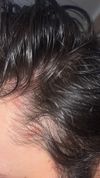
My hairline, I am only 23.
This conversation is about a user's experience with treatments for androgenic alopecia, including finasteride, dutasteride, RU, minoxidil, progesterone, melatonin, LLLT, oral minoxidil, and Pyrilutamide. They have tried many treatments over the course of two years without seeing much success, and they are considering getting a hair system as a last resort.