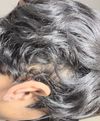
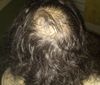
The conversation discusses hair loss and the potential impact of zinc supplementation, with some users suggesting it might contribute to shedding. The original poster is using finasteride and considering adjusting their zinc intake and dosage of finasteride.
The conversation discusses using cetirizine (Zyrtec) topically to relieve scalp itch associated with hair loss and suggests it may also benefit androgenetic alopecia (AGA). One person found relief from scalp itch after three months on finasteride, noting the itch was linked to areas where hair was lost.
Finasteride's potential side effects, especially sexual dysfunction, are discussed, with emphasis on hormonal balance between testosterone and estradiol. Users share experiences with finasteride, minoxidil, and dutasteride, highlighting the variability in side effects and the influence of mindset and lifestyle.
Kevin, a YouTuber known for his channel "haircafe," helped many with hair loss through treatments like finasteride. He recently took down his channel and checked into a psych ward due to mental health issues and backlash over old posts.
Managing seborrheic dermatitis using ketoconazole shampoo, Nizoral, and oils like MCT and coconut oil. The user considers shaving their head and consulting a dermatologist.
The conversation is about using topical melatonin or zix for hair loss without affecting hormones. The user is seeking advice on which treatment is more effective.
The conversation is about experiencing hyper-trichosis from taking oral Castor Oil. The user reports increased hair growth on the stomach and legs but is not concerned as it is harmless and will stop when the treatment stops.
A user named Mmherak is experiencing hair loss, with low B12 and iron deficiency, and has been recommended minoxidil and spironolactone by dermatologists. Other users suggest seborrheic dermatitis or dandruff, recommending treatments like Nizoral shampoo, ketoconazole, and Selsun Blue.
The conversation discusses hair loss and bloodwork results, focusing on zinc, vitamin D, and ferritin levels. The user is experiencing telogen effluvium after surgery and seeks advice on supplementation.
The user is experiencing scalp irritation after increasing their finasteride and minoxidil dosage with tretinoin and is considering reducing application frequency. They seek advice on managing the irritation.
People notice more young individuals experiencing hair loss and discuss possible reasons, such as diet, hormones, and stress. Some treatments mentioned include finasteride, dutasteride, and minoxidil.
Minoxidil and finasteride are being considered for hair loss due to seborrheic dermatitis and male pattern baldness. The user is also using ketoconazole and zinc pyrithione shampoo.
Intradermal botulinum toxin (BTX) injections effectively treat androgenetic alopecia (AGA) by inhibiting TGF-β1 secretion from hair follicles. Further research and long-term follow-up are needed to confirm these findings.
The user has been using minoxidil, finasteride, dermastamping, and Nizoral for hair loss with initial success but is considering adding PRP due to slowed progress. Concerns about PRP include potential ineffectiveness and whether it could harm existing hair growth or interfere with current treatments.
Topical minoxidil can cause increased body hair due to systemic absorption, varying by individual skin sensitivity. The user seeks experiences and solutions to prevent this side effect.
Switching from 2% liquid minoxidil to 5% foam minoxidil reduced scalp irritation but increased eyebrow flakiness and thinning. The user speculates that propylene glycol in the liquid formulation might have been protecting against seborrheic dermatitis while causing contact dermatitis.
The conversation is a humorous take on someone's reaction after their first dose of finasteride for hair loss. Specific treatments mentioned include scalp massage and a protocol of manifestation twice daily.
Hair loss treatments Fin and Minoxidil failed for user. Suggested alternatives are 75mg oral spiro and RU58841, but concerns about low testosterone and self-esteem were raised.
The conversation discusses the use of TRT, dutasteride, minoxidil, and potentially RU58841 for hair loss. Concerns about the risk of developing Cutis verticis gyrata with minoxidil and TRT are raised.
SCUBE3 is available online but poses risks like tumor promotion and high costs. Users advise against using it due to health concerns and inefficacy as a standalone treatment.
The conversation humorously suggests using immunosuppressants like ciclosporine and oral minoxidil for hair regrowth, with a satirical plan involving hair transplants from family members. It highlights the side effects and impracticality of such treatments, emphasizing the post's satirical nature.
The conversation is about the importance of acting quickly against hair loss. The user shares their experience with androgenic alopecia and mentions using finasteride without improvement.
The conversation discusses using PGE2 as a hair growth stimulant, comparing it to minoxidil, and considering the addition of Setipiprant. Concerns about side effects like skin damage and cost are also mentioned.
PP405 shows promise in activating dormant hair follicles and increasing hair counts but lacks detailed efficacy data compared to minoxidil and finasteride. Opinions are mixed, with some optimism and skepticism about its effectiveness.
A 19-year-old is concerned about long-term microneedling for hair loss and is unsure if it will remain effective as they age. They experienced side effects from topical finasteride and are considering whether to try it again in the future, while also dealing with body dysmorphia and stress.
A user is concerned about hair shedding despite noticeable regrowth after 7 months of using finasteride. The dermatologist confirmed positive results, but the user remains skeptical and confused.
Cannabis and THC may have mixed effects on hair, with some studies suggesting potential negative impacts on hair growth in isolated hair follicles, but these results are hard to apply to living humans. Treatments like minoxidil and finasteride are commonly used for hair loss, and the effects of cannabis might be neutral or vary based on individual factors.
The conversation is about a person considering making their own topical finasteride to avoid side effects from oral use. They discuss potential methods and ingredients, including cayenne pepper extract, rosemary, and coconut oil, and seek advice on effectiveness and alternatives like light therapy or dermarolling.
A 19-year-old female is experiencing significant hair loss, with symptoms including alternating hair colors and thinning body hair. She seeks advice on coping and potential treatments, with suggestions to consult a dermatologist and check thyroid and hormone levels.