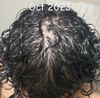
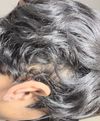
The conversation discusses hair loss treatments, specifically Minoxidil, finasteride, and RU58841. The focus is on setting realistic expectations for these treatments.
Federal funding cuts have delayed PP405 research, affecting hair loss treatment progress, though clinical trials will continue. The discussion highlights PP405's potential compared to minoxidil and finasteride and stresses the importance of government-funded research.
The side effects of taking finasteride as a treatment for hair loss, with particular focus on its sexual and psychiatric side effects; research has indicated that there are high and low outliers in terms of prevalence of sexual side effects, but it is usually between 3-5%, while evidence of lasting sexual side effects comes from lower quality sources.
The conversation discusses potential causes of pigmentation around hair follicles, suggesting sebum buildup, autoimmune conditions, or dermatitis. Treatments mentioned include finasteride, dutasteride, and an anti-inflammatory diet, with a recommendation to consult a doctor for a proper diagnosis.
A 25-year-old man discusses his struggles with his mother's opposition to his use of Finasteride for hair loss treatment, despite it improving his condition and self-control after a hair transplant. He expresses frustration over her blaming the medication for various issues and the stress caused by her insistence to stop taking it.
The user is frustrated with hair loss despite using minoxidil, topical finasteride, and topical dutasteride, and is considering other options like oral treatments, SMP, or hair systems. They feel demoralized and are struggling with self-esteem and social interactions due to their thinning hair.
The user is experiencing increased hair shedding and is concerned about regression despite consistent use of finasteride, minoxidil, and other treatments. The consensus is that this is likely a temporary shedding phase, and adjustments to the dermarolling frequency are suggested.
A 20-year-old is experiencing hair thinning despite using minoxidil inconsistently for 1.5 years and is considering adding finasteride due to concerns about side effects. They are unsure whether to increase minoxidil application, start finasteride, or if the hair loss is exaggerated in their perception.
Hope Medicine's HMI-115 is expected to be released in 2027, with phase 3 trials currently recruiting. Concerns include the safety of targeting prolactin and the potential cost of the treatment.
Many people feel self-conscious about hair loss during haircuts, with some using treatments like finasteride and minoxidil. Others cope by cutting their own hair or finding a trusted barber to manage thinning areas.
People are discussing obtaining and testing PP405 for hair loss treatment, with concerns about its purity and effectiveness. Some are considering delaying hair transplants, while others suggest using existing treatments like finasteride and minoxidil.
Elevated bile acids can inhibit the enzyme AKR1C2, leading to increased DHT levels, which may accelerate hair loss in those predisposed to androgenetic alopecia. Treatments mentioned include topical minoxidil and finasteride.
A 19-year-old female is experiencing significant hair loss, with symptoms including alternating hair colors and thinning body hair. She seeks advice on coping and potential treatments, with suggestions to consult a dermatologist and check thyroid and hormone levels.
A 22-year-old experiencing hair loss and persistent scalp itchiness since age 16 has tried various treatments, including finasteride, ketoconazole shampoo, and dietary changes, with no success. Suggestions include consulting a knowledgeable dermatologist, considering seborrheic dermatitis, and trying different shampoos like Selsun Blue or those with selenium sulfide.
Caffeine intake may increase DHT levels, but its impact on hair loss is minimal compared to genetic factors. Excessive caffeine can cause health issues, and its effects on hair loss are not directly applicable to humans based on rat studies.
A user experienced excessive hair shedding after taking 17 mg of Zinc gluconate daily for acne. They are seeking advice on similar experiences and solutions.
Creatine may increase DHT levels, potentially causing hair loss in some people, though experiences vary. Treatments like finasteride or minoxidil are suggested to manage potential hair loss.
The conversation is about a user experiencing a tingling sensation and redness on their scalp, possibly related to hair loss treatments. Suggestions include using Nizoral shampoo and consulting a dermatologist, while the user mentions using oral finasteride.
A young woman with genetically thin hair is stressed and embarrassed, seeking advice. Suggestions include seeing a dermatologist, using spironolactone, and minoxidil for hair regrowth.
A user experienced severe depression and anxiety after taking finasteride for hair loss, which resolved after stopping the medication. They shared their story to warn others about potential side effects.
PP405 is suspected to be a scam, with users doubting its legitimacy and effectiveness. Many recommend using proven treatments like finasteride and minoxidil.
The conversation is about hair loss anxiety and treatments like Minoxidil and finasteride. Users discuss self-acceptance, relationship support, and alternatives like shaving or learning to cut hair at home.
A user is starting topical finasteride and minoxidil 3 times a week for hair loss and is experiencing high anxiety about the treatment's effectiveness and potential side effects. They are also taking vitamin D3 daily and are concerned about the application method and possible shedding.
Pelage Pharmaceuticals is developing PP405, a topical treatment for hair growth, currently in Phase 2a trials. There is skepticism about the company's claims, and no fast-tracking approval timeline has been detailed.
A 23 year old female who experienced Telogen Effluvium due to stress 4 years ago, but her hair is still not back to normal. She is looking for treatments such as Minoxidil and dermarolling that may help with the thinning patches in her hair.
User suggests rotating scalp 180 degrees to address hair loss. Others discuss sanity, ethics, and similar procedures like scalp reduction and hair transplants.
Considering alternative treatments to hair loss, such as platelet-rich plasma (PRP) and exosome therapy, instead of using medications like minoxidil, finasteride/dutasteride.
PP405 is being discussed as a potential new approach to hair loss by targeting follicle stem cells, suggesting a different mechanism from existing treatments like finasteride and minoxidil. However, there is skepticism about whether it will lead to meaningful long-term outcomes or follow the pattern of previous treatments that showed promise but lacked consistent results.