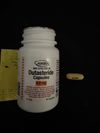
Eucapill 2% used for 1 month reduced shedding from 200 to 10/20 hairs daily with no side effects. Finasteride caused side effects like ED and watery semen.
The user experienced significant hair shedding and dryness after starting minoxidil 8 months post-hair transplant, despite using finasteride and oils like castor and pumpkin seed oil. They expressed concern over the loss of density and the appearance of a failed transplant.
The conversation is about the availability of gt20029 for hair loss treatment, indicating that it will not be available for purchase soon. No specific treatments were discussed.
A South Korean company, Therazyne, has developed a promising hair loss treatment using a WNT chain surrogate that binds to Frizzled 7, with human follicle testing expected soon. Current treatments like minoxidil and finasteride are not seen as cures, and while optimism exists for future solutions like PP405, approval processes are lengthy.
A 21-year-old is experiencing aggressive hair loss and dandruff, possibly due to seborrheic dermatitis, and is using pumpkin seed oil, scalp massages, and anti-dandruff shampoo as treatments. They are hesitant to use prescribed Finasteride and Minoxidil and have noticed some improvement after stopping Serenoa capsules.
Datwagg63 started taking finasteride for hair loss and supplements it with omega 3, vitamins, and a low-carb diet while lifting weights. InternationalBerry suggested adding minoxidil, as it's considered the second most effective treatment after finasteride.
User shared progress pictures of hair regrowth on the crown/vertex after a transplant and using finasteride, Minoxidil foam, and a dermapen. They hope to fully regrow or increase density in the crown area.
The user humorously describes trying various hair loss treatments, including minoxidil, finasteride, and RU58841, with a satirical twist involving psychedelic experiences and imaginary entities. They mistakenly used LSD instead of RU58841 and plan to continue experimenting with other substances.
The user has been experiencing hair loss since having COVID and has low vitamin D levels; they are seeing some improvement in their crown and hairline after starting vitamin D supplements. Commenters suggest the hair loss pattern is consistent with male pattern baldness (MPD) and varies by individual.
The user underwent a second hair transplant for the crown and mid-scalp, achieving good density. They are using minoxidil, finasteride, and biotin, and considering PRP treatments to enhance growth.
The user is discussing their hair loss treatment stack, which includes CB-03-01, Fluridil, Alfatradiol, Cosmerna, microneedling, and Stemoxydine. They have seen some new hair growth but wish they could use finasteride.
The conversation is about creating a DIY hair loss treatment solution using pyrilutamide powder, stored in an old minoxidil bottle. The user is seeking advice on how to best replicate Kintor's trials and the ideal storage conditions for the solution.
The user is using 5% Minoxidil, a 1 mm derma stamp, Vitamin D3, Zinc, and anti-dandruff shampoo for hair regrowth. They plan to consider DHT blockers like finasteride in the future.
A female with PCOS and androgenetic alopecia is starting treatment with oral Minoxidil, topical Minoxidil 5% with finasteride, and plans to add mesotherapy. She previously tried anti-androgenic contraceptive pills but couldn't tolerate them and is using Myo Inositol for weight management.
The user experienced noticeable hair thickening and new growth after two months using a topical solution of minoxidil and finasteride. Continued improvement is expected, with potential for a full head of hair after further treatment and possibly a transplant.
The user is considering a hair transplant after a year on minoxidil without satisfactory results and is advised to use finasteride or dutasteride as a DHT blocker. Suggestions include using microneedling, tretinoin, and possibly needing 3000-4000 grafts for the transplant.
Use finasteride or dutasteride with minoxidil for at least a year to improve hair density before considering a hair transplant. A transplant might be needed if medications don't provide sufficient regrowth.
PP405 is a new hair loss treatment showing early promise with a 20% hair density increase, but skepticism exists due to past failures of similar treatments like Pyrilutamide, RU58841, and Bimatoprost. Users debate its potential effectiveness, with some hopeful due to Google's involvement, while others urge caution without more evidence.
The user switched from finasteride to dutasteride in January and noticed increased crown thinning, despite using minoxidil with rosemary, biotin, and castor oil. They are concerned about hair loss and considering visiting a clinic for further advice.
The user switched from finasteride to dutasteride to address temple hair loss and obtained generic oral minoxidil. They are questioning the legitimacy of Camber's dutasteride compared to other options.
The conversation is about recommendations for hair loss treatments, including minoxidil, nizoral shampoo, castor oil, a dermapen, and tocotrienols. Users discuss different minoxidil brands, with some preferring Kirkland despite concerns about irritation and dilution.
The conversation is about testing the effectiveness of RU58841 for hair loss, with the user planning to increase their dose to 30 mg per day along with 20 mg of Minoxidil. The test results showed approximately 70 mg/ml, which the user considers a good result.
Pyrilutamide/KX-826 is being discussed for its effectiveness in hair regrowth, with some users reporting positive results, especially in early hair loss cases. Users have combined it with treatments like Minoxidil, and some experienced initial shedding before seeing regrowth.
The user experienced a receding hairline and tried minoxidil, which may have slowed the process but caused puffy eyes. They are hesitant to use finasteride and suspect oily dandruff might be an aggravator.
Lichen Planopilaris (LPP), a form of permanent hair loss, which can be mistaken for seborrheic dermatitis and is characterized by scalp itching, burning, redness, and dandruff. Treatment options discussed include steroidal creams, finasteride, minoxidil, and RU58841.
The user experienced sensitivity and side effects from finasteride and Saw Palmetto, leading to swollen and sensitive breasts, and decided to stop finasteride after two weeks. They are now trying Saw Palmetto, Biotin, and Ashwagandha, while others in the conversation discuss their own experiences with hair loss treatments like minoxidil and finasteride.
The user mixes their own RU58841 solution and found that increasing the ethanol content improved absorption and reduced scalp itching. A study on minoxidil showed that penetration increased with higher ethanol concentrations, reaching maximum penetration at 90% ethanol.
Rosemary extract showed high inhibitory activity against DHT, similar to finasteride and dutasteride, but the conversation includes skepticism about its effectiveness in humans since the study was done on mice and rosemary oil is often considered ineffective based on personal experiences. Some suggest trying rosemary oil alongside other treatments, while others emphasize the difference between the extract used in the study and the oil.