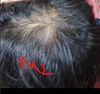
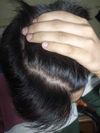
A 21-year-old male is using finasteride, minoxidil, and had a hair transplant to address lifelong thin, diffuse hair loss. Progress pictures show changes over two months.
Finasteride and dutasteride can stop hair loss and improve skin, with some users experiencing increased libido and harder erections. However, some report side effects like softer erections and brain fog.
Hair loss in your 20s, with treatments like minoxidil, finasteride, dutasteride, and hair transplants discussed. Opinions vary between accepting baldness and pursuing aggressive treatments.
The user noticed new dark hairs growing in previously bald areas after using oral finasteride and minoxidil for a month. They are pleased with the progress and find it interesting, even though they are content with a shaved head.
A 23-year-old male shares his positive progress using 0.5mg finasteride for hair loss, noting initial side effects like sore nipples that resolved after adjusting the dosage. Other users discuss their experiences with finasteride, including effects on libido and the trade-offs of using the medication.
Hair loss greatly affects mental health and social life for young men. Treatments like finasteride, minoxidil, and hair transplants are common, with mixed success and ongoing self-esteem challenges.
A 20-year-old started taking finasteride for hair loss at 18, saw improvement, but developed erectile dysfunction (ED) after taking accutane. Despite stopping both medications, ED persisted, and hair loss worsened. Advice given includes considering tadalafil for ED, resuming finasteride, using minoxidil, and addressing psychological factors through positive thinking and lifestyle changes.
A 24-year-old male experienced increased hair shedding after switching to a new topical finasteride and minoxidil solution with a better carrier. He is concerned whether this shedding indicates progress or a setback in his hair loss treatment.
The conversation is about an 18-year-old transgender individual seeking advice on discussing hair loss treatments, specifically Minoxidil and finasteride, with a dermatologist. They are preparing for an upcoming appointment to address hair loss concerns.
People are discussing experiences with finasteride for hair loss after being on testosterone for over two years. Users report varying results, with some experiencing regrowth and no side effects, while others emphasize the importance of starting treatment early to prevent further hair loss.
A 19-year-old is distressed about his 17-year-old autistic brother's hair loss, projecting his own insecurities despite being on finasteride and dutasteride. Replies suggest the brother might not care about balding, and the poster should address his own issues.
A 19-year-old reports positive hair regrowth using oral minoxidil and finasteride, with no side effects. The conversation includes advice on consulting a dermatologist and exploring alternative treatments.
The user experienced positive hair regrowth after 6 months of treatment, using topical minoxidil and finasteride, with no significant side effects. They also improved their diet and exercise routine, and are considering dermarolling if progress stalls.
Oral minoxidil and dutasteride are used for hair loss with mixed results. Some users report new growth, while others suggest scalp inflammation may be an issue.
A 31-year-old experienced significant hair regrowth after switching to oral Finasteride but reported dull orgasms as a side effect. Users suggested waiting for the body to adjust, reducing the dosage, or switching to topical Finasteride to manage side effects.
The conversation discusses the effects of using Tongkat ali and dioscorea to raise DHT levels, leading to increased body hair growth and an itchy scalp, without causing hair loss. The discussion also debates the role of DHT in male characteristics and its impact on sexual function, with differing opinions on its importance and effects.
Regrowth is more likely if hair follicles are still alive, regardless of age, but younger individuals often see better results due to early intervention. Treatments like finasteride, minoxidil, and dermarolling can help, but results vary based on individual factors such as the presence of miniaturized hairs and the speed of treatment initiation.
A 22-year-old male is experiencing hair regrowth after 3.5 months on 0.5mg daily dutasteride, with visible baby hairs and increased density. Users suggest adding minoxidil for potentially better results.
The conversation discusses a new model for understanding androgenetic alopecia (AGA), linking it to dietary and lifestyle factors similar to PCOS, and highlighting the role of DHT, vascular damage, and inflammation. Treatments mentioned include Minoxidil, finasteride, and RU58841.
The user experienced initial hair improvement with dutasteride and minoxidil but saw worsening at seven months, likely due to shedding. The consensus is to continue treatment, as shedding is common and improvement may take up to a year.
The user experienced erectile dysfunction from oral finasteride and is considering alternatives like topical high-dose finasteride, RU58841, topical Latanoprost, and oral Minoxidil. Blood tests showed changes in testosterone and DHT levels, and the endocrinologist advised stopping finasteride.
Improved hair density and texture after using 1mg oral finasteride and 5mg oral minoxidil for a year. The user is satisfied with the results, noting no significant side effects except reduced seminal volume.
A 17-year-old is concerned about hair loss and shares photos for opinions. A user responds that the hair looks normal but is hard to assess from the images.
A 29-year-old male experienced hair regrowth using minoxidil 5% foam and KX826 after stopping finasteride due to side effects. He applies both treatments once daily and reports no side effects from the current regimen.
The user reported good progress in hair regrowth, especially on the crown, after using oral minoxidil and finasteride for four months and recently switched to dutasteride. The community responded positively, noting realistic progress and offering tips for consistent photo documentation.
The conversation discusses the link between seborrheic dermatitis, acne, and male pattern baldness, suggesting that DHT may cause both skin conditions and hair loss. Treatments mentioned include RU58841, finasteride, dutasteride, minoxidil, Nizoral shampoo, and other topical anti-androgens.
A user reported a significant increase in testosterone and estradiol levels after taking Finasteride for 5 months, with estradiol levels rising over 2000%. They plan to consult their doctor, suspecting a lab error, as they feel fine with no side effects.
A 21-year-old underwent a hair transplant with 1100 grafts and uses oral minoxidil and topical dutasteride to maintain hair. They experienced side effects with oral finasteride but not with their current regimen.
Teenager with hair loss shares experience and encourages others to address their hair loss early. They use a stack of topical finasteride/minoxidil, derma stamp, and ketoconazole shampoo for treatment.
A 37-year-old man reports significant hair regrowth using a regimen of topical minoxidil, oral finasteride, derma rolling, and saw palmetto shampoo, but notices uneven progress between the sides of his head. He theorizes that sleeping on one side might affect hair growth, but others suggest it could be unrelated to sleeping habits.