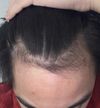
Buzzing or shaving your head can boost confidence and save money on hair loss treatments. Some prefer treatments like finasteride and minoxidil to maintain their hair.
The conversation discusses hair regrowth using oral minoxidil, oral finasteride, topical minoxidil, red light therapy, massage, and a keto diet. The user reports positive results and no negative effects on libido, attributing this to a healthy lifestyle and additional supplements.
OP used finasteride 1mg and 2.5mg oral minoxidil since late April, showing hair improvement despite some initial libido issues. Users discussed side effects, costs, and alternative treatments, with OP noting increased facial hair but no significant body hair growth.
Hair loss recovery using estrogen and anti-androgen treatment for 18 months showed significant improvement. However, results vary and alternative treatments like RU58841 and Dutasteride may work without systemic feminization.
The user experienced significant hair regrowth after 5 months using finasteride, dutasteride, and oral minoxidil, despite initial side effects like erectile dysfunction, which resolved after switching from finasteride to dutasteride. The user reports full recovery of hair density and improved skin condition, though the right temple remains slightly recessed.
Switching from finasteride to dutasteride with oral minoxidil may lead to hair regrowth and thickening, but results can vary and take time. Some users report side effects like reduced libido with dutasteride.
A 47-year-old male experienced mixed results with hair loss treatments using finasteride and oral minoxidil. After reducing dosages and adding creatine, he noticed shedding, but switching back to higher doses and changing to pea protein may help regain progress.
A father experienced hair regrowth in his 60s after taking dutasteride for prostate issues, prompting discussions about its effectiveness compared to finasteride for hair loss. Users shared personal experiences, with some preferring dutasteride due to perceived effectiveness and fewer side effects.
The user experienced hair regrowth using a combination of Minoxidil, Finasteride, and RU58841, with Minoxidil used initially and the other treatments added later. The user believes the combination of Finasteride and RU58841 contributed to the regrowth, with RU sourced from MVsupplement.
A 5-year-old male considering using finasteride to prevent receding hairline, with suggestions ranging from topical minoxidil and estrogen treatments to hair transplantation and shaving.
A 21-year-old male has been using oral dutasteride and minoxidil for hair loss for six months, with noticeable improvement and no further hair loss. He also uses Nizoral shampoo three times a week.
A 26-year-old male shared progress pictures showing significant hair improvement after using finasteride (1mg daily) since November 2024 and minoxidil foam since October 2025. The user noted thicker hair and a less noticeable bald spot, attributing the changes to these treatments.
A 25-year-old male experienced increased testosterone and estradiol levels after starting finasteride for hair loss, leading his doctor to suggest a testicular ultrasound as a precaution. The user questions the necessity of the ultrasound, considering it potentially excessive, while others suggest it could be a useful precaution to rule out any issues.
A 23-year-old male is using finasteride (1mg daily), derma rolling, and Nizoral for hair loss treatment, experiencing increased shedding and side effects like anxiety, decreased libido, and fatigue. Despite no positive changes in hair after three months, he plans to continue finasteride and may consider RU58841 or CB as future treatments, avoiding minoxidil due to past negative experiences.
A 21-year-old male with advanced hair loss (NW7) started using finasteride and minoxidil 10 months ago but hasn't seen much progress. He is pre-diabetic with stage 1 hypertension and is seeking insights on whether treating these conditions could improve hair regrowth.
A user in their mid-40s shared a 12-month update on using finasteride for hair loss, showing significant improvement. They started seeing thicker hair and regrowth after 3 months, with no side effects noticed.
Dutasteride 0.5mg daily led to significant hair regrowth in 3 months, with minimal side effects like slight pelvic pain and increased libido. The user switched from Finasteride to Dutasteride, noticing reduced hair shedding and improved hair condition.
The user shared impressive hair regrowth results after one year using oral finasteride and minoxidil spray, despite skepticism from some about the authenticity of the progress. The user experienced minimal side effects, such as an itchy scalp, and emphasized the importance of consistent use for maintaining results.
Dutasteride users report mixed results, with some experiencing shedding and others seeing no improvement or hair regrowth. Many users also discuss using finasteride and minoxidil, with some preferring topical treatments for better results.
A 17-year-old is experiencing rapid hair loss from NW1.5 to NW3 in six months and feels dermatologists are unhelpful. They are using Minoxidil (Rogaine) and seeking advice on application.
A 27-year-old male experienced significant hair shedding after switching from minoxidil to oral finasteride for hair loss treatment. Despite being healthy and using finasteride for nearly 100 days, he noticed increased shedding and is seeking support and success stories from others.
The user experienced hair regrowth using oral finasteride and minoxidil once per day over 18 months, with noticeable improvements starting around month five. They reported no side effects from finasteride and found oral treatment more effective than topical.
Finasteride users report reduced libido and increased hair shedding initially, but some see these as temporary or manageable side effects. Vitamin E and D-3 supplements are discussed as potential aids for libido and mood.
A 24-year-old male using dutasteride for hair loss is worried about its effects on fertility and future children's health. Users advise consulting a doctor, possibly switching to finasteride, or stopping dutasteride before conception due to its impact on sperm count.
A 44-year-old male is using topical minoxidil twice daily and experimenting with topical and oral melatonin for hair regrowth. A user noticed increased density on the crown and mid scalp.
The user is experiencing some hair regrowth after six months on oral minoxidil (3mg), finasteride (1.2mg), and using 1% ketoconazole shampoo twice a week, with no side effects. They are advised to consult a doctor before adjusting doses and to consider blood tests for vitamin and mineral levels.
Finasteride can increase estrogen levels, causing dizziness and nausea. Users discuss adjusting treatment and diet, and explore alternatives for hair loss management.
A user experienced accelerated hairline recession after adding dutasteride to their regimen of topical finasteride and minoxidil, despite reduced hair shedding. They were informed that ELISA testing for DHT levels can be highly inaccurate.
The post argues for teenage use of finasteride to prevent hair loss, citing minimal side effects and personal success. Replies criticize the advice, highlighting potential developmental risks and questioning the safety of finasteride for teenagers.
A 20-year-old used 1 mg finasteride and liquid minoxidil, initially twice daily then once at night, to thicken hair, though temple regrowth was minimal. The user experienced no side effects and continued both treatments for hair improvement.