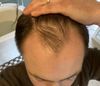
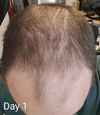
Dutasteride can take 6 months to 2 years to show results, and patience is needed during the shedding phase. Some users suggest adding RU58841 to help maintain existing hair.
A 46-year-old shared their successful hair regrowth journey using topical minoxidil, oral finasteride, ketoconazole shampoo, oral minoxidil, and head massages with lavender and peppermint oil, with noticeable improvement and no significant side effects except for darker eyelashes. They encourage others to try these treatments.
A 15-year-old is experiencing uneven hair loss, with one temple receding significantly. They are considering using finasteride, minoxidil, or dutasteride to slow hair loss before visiting a dermatologist, and may consider a hair transplant in the future.
Hair loss treatments like finasteride and minoxidil are becoming more mainstream, with younger men starting early to prevent baldness. Increased sharing of transformations online and proactive approaches by Gen Z are contributing to noticeable changes.
A 24-year-old male shares his one-year progress using oral finasteride (1 mg) and minoxidil (3 mg) for hair growth, reporting positive results without significant side effects. Other users discuss their experiences with these treatments, including concerns about side effects and the importance of consulting a doctor.
The user's hair appears to have improved, looking thicker and healthier, especially around the temples, after using topical minoxidil, finasteride, dutasteride, and tretinoin. Most participants agree the last picture shows significant improvement, though one disagrees.
The GT20029 tincture, a topical androgen receptor degrader, showed significant hair growth and good safety in a China Phase II trial for male androgenetic alopecia (AGA), with the 1% dose twice weekly identified as optimal. The company plans to initiate Phase III trials in China and Phase II in the U.S., and the treatment also shows promise for acne.
The user has been using oral finasteride and minoxidil nightly, dutasteride twice a week, microneedling weekly, and pyripure nightly since April. They are seeking opinions on their hair regrowth progress, noting no slick bald areas but some miniaturized blonde hairs.
The user started a consistent hair loss treatment routine in January, using finasteride, minoxidil, red light therapy, micro-needling, vitamins, and specific shampoos. They noticed potential progress after 11 weeks and plan to update in a few months.
A 21-year-old male shares his 3-month progress using 0.5mg dutasteride daily, 5% topical minoxidil twice daily, and weekly microneedling, showing some temple recovery and seeking further improvement. Feedback suggests continued use and monitoring, with optimism for more regrowth over time.
A 29-year-old man regained his hairline using a consistent routine of topical minoxidil and finasteride, along with pumpkin seed oil, despite experiencing side effects like low libido and ED. He emphasizes the importance of consistency and is satisfied with his progress, choosing to avoid oral treatments due to potential side effects.
The conversation discusses the importance of early action in various aspects of life such as healthy eating, skincare, fitness, sleep, financial planning, and career development to prevent future health issues, regret, and financial hardship. Specific treatments mentioned include using sunscreen and tretinoin for anti-aging skincare.
Switch from finasteride to dutasteride immediately, but delay starting oral minoxidil for 3-4 weeks to avoid simultaneous shedding. Consider starting oral minoxidil at a lower dose and manage stress.
The user experienced hair regrowth after 5 months on 5 mg oral minoxidil and 1 mg dutasteride, following a year of ineffective finasteride use. They noticed progress after an initial shedding phase and hope for further improvement, with expectations of near-max regrowth around 18 months.
An 18-year-old using 5% minoxidil topically and derma rolling weekly for 1.5 months shows visible hair growth progress. The user also addresses vitamin D deficiency and thyroid imbalance with medication.
The user noticed hair density improvement after 1.4 years on finasteride, with additional use of minoxidil on the temples. Other users discussed various treatments like dutasteride, estrogen, and hair transplants, sharing personal experiences and advice.
A young man in his mid-20s started using finasteride and biotin for hair thinning and has seen less hair loss after three months. Others shared their positive experiences with minoxidil and finasteride, discussed potential side effects, and encouraged early treatment for hair loss.
A 24-year-old male shared his 9-month hair loss treatment journey, initially using topical finasteride and minoxidil, and recently switching to oral dutasteride and minoxidil. He experienced manageable shedding, noticeable hair density improvement, and plans to consider a hair transplant after 12-18 months on the oral treatment.
A 39-year-old user experienced hair regrowth using oral dutasteride, oral minoxidil, dermastamping, and Nizoral shampoo after switching from finasteride and topical minoxidil. They are hopeful for significant improvement in their receding hairline.
A user's two-year progress using 1mg of oral finasteride daily and twice daily application of 5% minoxidil solution for hair loss. The user experienced temporary side effects but is pleased with the results, and another user warns about the importance of consistent use for maintaining results.
A 31-year-old male considering returning to finasteride at a lower dose or using topical finasteride to assess his Norwood scale for a potential future hair transplant. He previously stopped finasteride due to side effects and has been shaving his head.
A user in their 30s with male pattern baldness reported significant hair regrowth after starting a daily pill containing 2.5mg Minoxidil and 1mg Finasteride. They were initially skeptical but experienced no side effects and were pleasantly surprised by the results.
The user reports hair regrowth after 15 weeks using oral finasteride, topical minoxidil, oral pumpkin seed oil, and ketoconazole shampoo. Images show progress before and after treatment.
User gained hair with topical minoxidil and finasteride, then experienced shedding after starting pyrilutamide. After 12 weeks, new hairs grew and existing hairs thickened, hoping for more improvement in a year.
Participants want to maintain hair until at least age 30, using treatments like finasteride, dutasteride, and minoxidil. Hair loss remains a concern, with some considering hair transplants.
User Kylo313 used dutasteride for 20 years and had two daughters, questioning if dutasteride affects the likelihood of having male vs female children. Replies mostly request hairline photos and discuss anecdotal experiences, with some suggesting correlation doesn't imply causation and that gender determination isn't affected by dutasteride.
A 16-year-old experiencing hair thinning noticed a shift from shedding long hairs to shorter hairs, while using Vitamin D, biotin supplements, ketoconazole shampoo, and improving diet. They are questioning if the short hairs indicate regrowth or androgenetic alopecia (AGA).
A 23-year-old shared their successful hair regrowth experience using 2.5mg oral Minoxidil and 1mg Finasteride, noting significant improvement between months 4 to 7 with minimal side effects like bloating. They plan to continue treatment until it stops working or they turn 30, and they are open to embracing baldness in the future.