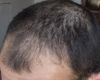
A 17-year-old is addressing hair loss with finasteride, topical minoxidil, and microneedling. They are considering adding GHK-Cu to their regimen, but others advise caution with finasteride due to age.
A 19-year-old male is considering starting finasteride on his own for genetic hair loss after a disappointing dermatologist visit, where he was prescribed biotin, ketoconazole shampoo, and saw palmetto instead. Users suggest online options for finasteride and minoxidil, while opinions vary on the effectiveness and safety of saw palmetto and finasteride for someone his age.
A user shared their 9-year experience with finasteride and 3 years with oral minoxidil, noting positive hair maintenance and regrowth without significant side effects. They are considering a hair transplant but are generally satisfied with their current hair condition.
The conversation discusses a user experimenting with RU58841 for hair regrowth by ingesting it, which others find concerning. There are mentions of potential side effects and comparisons to other treatments like minoxidil, finasteride, and flutamide.
A 22-year-old is considering starting finasteride for hair loss, questioning if their hairline is stable or if treatment is needed. They shared images of their hairline, which has been the same since their teenage years.
The user plans to use a "nuclear protocol" for hair improvement, including topical minoxidil 12.5%, topical finasteride 0.1%, and tretinoin 0.05%, with microneedling once a week. They have seen improvements with minoxidil and are seeking opinions on their approach to achieve thicker hair.
A user stopped oral finasteride after 7 years due to decreased libido and switched to topical finasteride and minoxidil. Others shared similar experiences and discussed alternatives like dutasteride and topical treatments.
An 18-year-old is using oral finasteride, topical minoxidil, ketoconazole shampoo, and tretinoin for severe hair loss and is considering adding dutasteride. Despite concerns about starting finasteride at a young age, the user prioritizes preventing further hair loss over potential hormone issues.
A 20-year-old is considering starting dutasteride or finasteride for hair loss, with concerns about potential side effects and development. Users shared experiences with both treatments, noting that finasteride is often the first step, while dutasteride may be more effective for some, and emphasized consulting a healthcare provider.
The user has been managing hair loss with microneedling, Nutrafol, topical finasteride/minoxidil foam, LLLT, and Nizoral, and plans to add oral minoxidil. They are seeing improvement and are cautious about using oral finasteride due to past gynecomastia concerns.
Transgender hormone therapy, including Estradiol Valerate, Spironolactone, and Progesterone Micronized, can reverse male pattern baldness and improve hair health. The user shares their positive experience with hair regrowth after transitioning from male to female.
A 22-year-old is experiencing aggressive hair loss despite using minoxidil and finasteride and is considering a hair transplant but lacks funds. The discussion includes advice on treatments like dutasteride, microneedling, and lifestyle changes, with mixed opinions on the timing and effectiveness of a transplant at a young age.
Body hair transplants can be a last resort for hair loss, using body hair to fill scalp gaps, though it may not match scalp hair in texture or length. Minoxidil and finasteride are discussed as treatments, with varying effectiveness and side effects.
Minoxidil requires at least 6 months to show results and may not work for everyone. Combining it with Finasteride can improve outcomes, but stopping Minoxidil can result in losing any regrowth.
Blocking DHT is not a cure for hair loss; instead, altering how scalp follicles respond to DHT might be more effective. Current treatments like topical finasteride and minoxidil are temporary solutions, and future approaches may involve gene therapy and bioengineering to change follicle behavior.
The user experienced significant hair regrowth and improved hair quality after six months of using oral minoxidil, finasteride, and micro-needling. They reported increased libido initially but no other side effects, and they plan to continue the treatment.
A 21-year-old male has been using finasteride and minoxidil for four months with little progress in hair regrowth, despite adding microneedling and rosemary oil to his routine. Users suggest patience, maintaining the current treatment, and possibly simplifying the routine by dropping rosemary and microneedling.
A user increased their finasteride dosage from 0.5 mg to 1 mg due to ongoing hair miniaturization, despite some improvement. They are considering dutasteride and have not used minoxidil, but are cautious about potential side effects.
A user shared their successful hair loss treatment using RU58841, topical minoxidil, and microneedling, noting significant improvement over three months. They chose RU58841 over finasteride due to personal preference and reported no side effects, while others discussed their experiences with different treatments and supplements.
The conversation discusses concerns about body dysmorphia related to hair loss, with some users expressing frustration over posts claiming treatments like finasteride and dutasteride are ineffective or harmful despite minimal hair loss. It emphasizes the importance of early treatment with medications like finasteride and minoxidil for those experiencing hair loss.
A user humorously suggests an extreme hair loss treatment regimen involving multiple medications and therapies, including Dutasteride, Minoxidil, RU58841, and others, claiming it would prevent hair loss but with potential side effects like gynecomastia. The conversation highlights concerns about safety, side effects, and the effectiveness of such a comprehensive approach.
A 19-year-old is seeking advice on reversing hair loss without a transplant, currently using oral finasteride and topical minoxidil. A suggestion was made to switch to dutasteride and use a stronger minoxidil, with the addition of a topical anti-androgen after three months.
The user experienced significant hair regrowth using topical minoxidil but faced issues with gynecomastia when using oral minoxidil and finasteride. They plan to have surgery for gynecomastia and consider using finasteride again, while questioning if minoxidil alone can maintain hair growth.
A user shared their 8-month progress using dutasteride 0.5 mg and oral minoxidil 2.5 mg for hair loss, expressing disappointment with the results and considering increasing the dosage. Other users advised patience, suggesting that improvements can continue over time, and recommended consulting a dermatologist before making changes.
Excessive sugar consumption may contribute to male pattern hair loss by increasing androgen sensitivity and insulin resistance, but genetics play a significant role. Treatments like minoxidil and finasteride are suggested for managing hair loss, while reducing sugar intake and maintaining a healthy lifestyle may help mitigate its progression.
The user experienced reduced hair fall with topical minoxidil and finasteride but no regrowth, and faced hormonal issues with oral finasteride. They are considering a hair transplant and exploring treatments like topical dutasteride, oral minoxidil, microneedling, and hair supplements.
Significant hair regrowth was achieved in two months using oral finasteride, topical minoxidil, microneedling, and Nizoral shampoo. Some users mentioned side effects of finasteride, like low libido and pain, and recommended consulting a doctor or trying topical alternatives.
ET-02, a PAI-1 inhibitor, is not proven to be more effective than Minoxidil for hair loss. Other treatments like finasteride, dutasteride, PP405, and AMP-303 are also discussed, focusing on cellular senescence and oxidative stress.
A 15-year-old experiencing hair loss and anxiety is using minoxidil and microneedling but is advised against starting finasteride or dutasteride due to age. The discussion emphasizes consulting a doctor, considering hormonal evaluations, and exploring non-medication coping strategies.
A poem humorously suggests hope for a new hair loss treatment, PP405, while users debate the effectiveness and side effects of current treatments like Finasteride. Concerns are raised about Finasteride's side effects, especially for young users, and skepticism about new treatments is expressed.