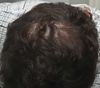
The user shared their 9-month progress using topical finasteride and minoxidil, a Capillus laser cap, and a dermastamp for hair loss. They noted improvements and emphasized the importance of consistency for better results.
A user shared a video suggesting that 0.5mm microneedles are most effective for hair growth. Other users mentioned different microneedle lengths and advised consulting a dermatologist for personalized treatment.
A 25-year-old male is experiencing hair thinning at the hairline and vertex, considering using a dermapen or dermastamp, and seeking advice on whether to continue with natural remedies like onion juice and rosemary oil or start using minoxidil or finasteride. He is also looking for recommendations on microneedling devices.
PP405 is seen as a potential breakthrough for converting vellus hairs to terminal hairs, with users expressing both hope and skepticism. It is compared to treatments like minoxidil and finasteride, with discussions on side effects and marketing concerns.
Scalp micropigmentation (SMP) is a viable option for those experiencing hair loss, providing a natural look similar to a buzzcut. It requires touch-ups every 3-5 years, and using products like zero shine can help manage appearance issues in different lighting.
An 18-year-old is concerned about their visible hairline and low hair density when considering a buzz cut. They are worried about potential negative reactions.
PP405 is a medicine, and Google Ventures is funding its development based on evidence from each phase, unlike their investment in Juicero, which was a trend-based gamble. Investing in medicine is a calculated risk, not reliant on being "cool."
The post discusses the confusion about the optimal microneedling depth and frequency for hair growth, and when to apply treatments like minoxidil. A reply suggests the best method is using a 1.25mm depth every 7 days with a specific device, holding it for 10 seconds to stimulate hair growth.
Emerging hair loss treatments like PP405, a topical MPC inhibitor, show promise in activating stem cells for hair growth. The conversation seeks information on the development stages and accessibility of these treatments.
The conversation is about a user sharing their hair regrowth progress using dutasteride, topical minoxidil, and weekly derma stamping. The user reports significant improvement without side effects, and others discuss the effectiveness and techniques of derma stamping.
A user's transformation from an accountant to a spartan with a full beard, discussing the potential of DUPA and alopecia areata, as well as treatments like vitamins, topicals, and natural treatments for potential regrowth.
A breakthrough in hair follicle cultivation using induced pluripotent stem cells (iPSCs) has been achieved, producing large hair follicles suitable for transplantation. Clinical trials for this hair multiplication technology are planned in partnership with Yinguan Biotechnology.
A user shares progress on hair thickening using finasteride, minoxidil, RU58841, and dermastamping. Another user notes slow but ongoing improvement with a similar treatment routine.
PP405's phase 2a trial results were presented, focusing on safety and pharmacokinetics, with a future meeting planned to share the full dataset. The trial includes a randomized controlled portion and an open-label extension, with no indication of phase 2B completion.
User tries dermapen for hair loss and plans to use non-mainstream topicals like c60, ghk-cu, and ptd-dbm with valproic acid. They also use a head massager and modified LLLT belt for additional treatment.
Accepting baldness and the various ways people try to cope with it, such as shaving, using medications like minoxidil and finasteride, or getting a hair transplant. Participants discussed how true acceptance of hair loss involves confronting difficult emotions such as grief for one's former appearance and identity, as opposed to simply superficially hiding it with a shaved head.
User shared progress pictures 4 months after a hair transplant in Turkey, detailing the use of dermarolling, vitamins, and starting finasteride while avoiding minoxidil. They are happy with the results so far and hope for further improvement.
A user is interested in seeing scalp tattoos as a response to hair loss, specifically looking for creative designs rather than scalp micropigmentation. They are considering this approach for their own Norwood 5 hair loss situation.
Users discuss making topical finasteride solutions by dissolving crushed tablets in ethanol and propylene glycol, with concerns about residue affecting effectiveness. They also mention using minoxidil and oral finasteride, noting some hair regrowth and no side effects from topical use.
The conversation is about making a topical solution from clascoterone powder, with references to using a RU58841 mixing guide for guidance. Concerns about product authenticity and bulk purchase requirements are also discussed.
Diffuse thinners find shopping challenging due to harsh overhead lighting, but H&M's side lighting in fitting rooms is more flattering. Many users humorously suggest banning overhead lighting to improve the shopping experience.
The conversation discusses converting liquid minoxidil into a foam version to save money. The user is exploring if a foam sprayer can achieve this or if additional ingredients are needed.
A user embraced their hair loss by choosing a buzzed hairstyle and received positive feedback on their appearance. Some suggested acceptance and self-care, while others discussed the potential of hair regrowth with treatments like finasteride and minoxidil.