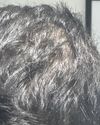
A 20-year-old is experiencing hair thinning and seeks advice on starting treatment and regrowing hair. They are considering using Minoxidil, finasteride, or RU58841.
A 17-year-old is experiencing early hair thinning and is considering oral minoxidil while being cautious about finasteride due to side effects. They seek advice on hair maintenance and plan to consult a doctor before using DHT blockers.
The user uses Toppik hair fibers to thicken their hairline and has switched from finasteride to dutasteride and oral minoxidil, noticing more hair thickening. Most responses indicate the hair fibers are not noticeable, and many suggest the user doesn't need them as their hair looks natural and good for their age.
A 21-year-old male experiencing hair thinning started using Minoxidil, which stopped his shedding and led to the growth of vellus hairs on his temples. He is considering whether to add finasteride to his routine, which currently includes Minoxidil, derma rolling, ketoconazole shampoo, vitamin D3, zinc, and a rosemary and fenugreek lotion.
Hair loss is less common now due to accessible treatments like finasteride, minoxidil, and hair transplants. Improved hair care, skincare, and lifestyle changes contribute to people looking younger today.
Federal funding cuts have delayed PP405 research, affecting hair loss treatment progress, though clinical trials will continue. The discussion highlights PP405's potential compared to minoxidil and finasteride and stresses the importance of government-funded research.
PP405 is expected to be available in 2028, with ongoing discussions about its timeline and potential effectiveness. Current treatments mentioned include sublingual Minoxidil and Vederamicd, with some users experiencing side effects from oral Minoxidil.
Minoxidil is more effective when combined with retinoic acid, such as tretinoin or tazarotene, enhancing hair growth. Some users experience significant regrowth, while others see minimal effects or side effects.
The user is experiencing significant hair loss after switching from finasteride to dutasteride for five months. Suggestions include that the hair loss might be a normal shedding phase, with some recommending continuing the treatment for up to 24 months or considering alternatives like RU58841.
Low-dose oral minoxidil is a safe and effective hair loss treatment with fewer side effects than previously feared. Users often prefer it over topical minoxidil for better results, though some experience side effects like increased body hair and cardiovascular issues.
PP405 shows potential for hair growth, with 31% of advanced balding men experiencing over 20% increase in hair density in 8 weeks. However, skepticism persists due to selective data presentation and lack of long-term results, with comparisons to treatments like minoxidil and finasteride.
Microneedling can aid hair regrowth but poses risks like permanent hair loss if not done properly. Combining it with minoxidil, finasteride, and tretinoin, while ensuring proper sterilization and technique, is crucial for safety and effectiveness.
A user successfully regrew their hair over 8 months using topical minoxidil, finasteride, a healthy lifestyle, and derma stamping. They emphasize the results are genuine and not from hair transplants.
Finasteride can maintain hair for many years, but its effectiveness may decrease over time. Some switch to dutasteride or add minoxidil for better results, with side effects like libido changes and ED discussed.
Counterfeit minoxidil is a concern, with users suggesting buying from reputable sources like Costco to ensure authenticity. A bleach test can help verify genuine minoxidil.
A 35-year-old reported significant hair regrowth after six months of using daily oral finasteride (1mg), oral minoxidil (1.25mg), and topical minoxidil, with no major side effects except increased hair growth in unwanted areas. Noticeable improvements were seen around four months after starting finasteride.
Long aerobic exercise (over 60 minutes) can reduce DHT levels and improve hair health. Some users discuss using Tadalafil (Cialis) to further reduce DHT after exercise, while others mention using treatments like Minoxidil, Finasteride, and RU58841 for hair growth.
The conversation discusses the lack of public information on the chemical structure of PP405, a hair loss treatment, and the challenges of synthesizing it without a patent. It also explores a patent related to hydrogen-based topical formulations for reducing oxidative stress and inflammation.
The user has been using 5% minoxidil, finasteride, and dutasteride, along with microneedling and ketoconazole, to treat hair loss, showing significant progress over a year. Side effects mentioned include brain fog, watery semen, and facial dryness.
Concerns about the potential systemic effects and safety of PP405 for hair loss, with discussions on its comparison to existing treatments like finasteride and minoxidil. Users express skepticism about untested research chemicals and emphasize the importance of clinical trials to ensure safety and efficacy.
PP405 shows promise for hair follicle reactivation with minimal side effects. Users recommend continuing Minoxidil and Finasteride until more results are confirmed.
PP405 is a new topical treatment for hair loss, showing promise in trials but still requires finasteride for maintenance. There is skepticism about its effectiveness and safety, with concerns about needing finasteride to maintain results.
Treating androgenic alopecia with minoxidil, finasteride, and antiandrogens, alongside exercise, cryotherapy, and natural substances to stimulate cold receptors for better hair growth. The method focuses on enhancing treatment effectiveness by considering environmental and behavioral factors and the role of cold receptors and muscle stress.
Some people avoid finasteride due to side effects but engage in unhealthy habits. Minoxidil and finasteride are common hair loss treatments, with varied side effect experiences.
The treatment for androgenetic alopecia involves using finasteride and minoxidil with intense exercise and cold exposure to boost metabolism and reduce androgenic effects, potentially leading to hair regrowth. This approach may activate biological pathways for improved hair and overall health.
Many people use finasteride and dutasteride for hair loss, with some switching due to cost or effectiveness. Minoxidil is also commonly used, and side effects like weaker erections or ball pain are reported by some.
The conversation discusses a user's hesitation to start dutasteride for hair loss while already using finasteride, minoxidil (both oral and topical), RU58841, and ketoconazole shampoo. The user plans to gradually transition from finasteride to dutasteride to minimize shedding, seeking advice and reassurance from others.
A user shared 3-month hair regrowth results using a combination of oral Dutasteride, daily Minoxidil, RU58841, micro-needling, Keto shampoo, scalp massages, and supplements. Positive progress was noted, and encouragement to continue was given.
A user shared their hair transplant journey, showing progress from February 2021 to May/June 2024. They now use finasteride, minoxidil, biotin, and Nizoral shampoo, and are happy with the results.
A 19-year-old shares his hair loss experience and treatment routine, which includes 1mg finasteride daily, 2mg oral minoxidil daily, ketoconazole shampoo every 2 days, and a healthy lifestyle. He notes that oral minoxidil is showing better results than topical minoxidil.