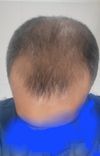
The conversation discusses Melatonin's potential benefits for AGA and a product called "Asatex" by ASATONA AG. The company was uncooperative when contacted for purchase inquiries.
A user experienced significant hair shedding after starting dutasteride, questioning if it's due to the treatment or rapid progression of androgenetic alopecia. They previously used Rogaine and biotin for over 10 years.
The user has been using a strong combination of hair loss treatments for 16 months, including Finasteride, Minoxidil, Dutasteride, and RU-58841, but their hair loss has worsened. They're questioning whether their high testosterone levels or residual scalp DHT are causing further hair loss, with a reply suggesting that even small amounts of DHT can cause hair loss if one is sensitive to it.
CB-03-01 is a topical anti-androgen with low absorption, offering potential as a side-effect-free alternative to Finasteride/Dutasteride for hair loss. It's in stage 2 clinical trials for acne and showing promise for male pattern baldness.
Tae147 has shared results of using pyrilutamide, a 5% concentration topical solution applied twice daily, in combination with minoxidil, to reduce scalp itchiness and hair shedding. Other users have shared their experiences with the treatment, as well as questions about its availability on the market.
Finasteride may have positive effects by keeping testosterone levels higher, potentially maintaining youthfulness and physical performance as one ages. It could also help with conditions related to aging like andropause and sarcopenia without increasing estradiol levels.
GT20029 and PP405 are discussed as potential alternatives or complements to finasteride for hair loss treatment. GT20029 is entering phase 3 trials, while PP405 is seen as promising for regrowing hair and possibly eliminating the need for other treatments.
A user experiencing diffuse thinning at the hairline after 12 months on finasteride is considering adding minoxidil, dutasteride, or RU58841 to their treatment. Another user suggests adding minoxidil now, holding off on dutasteride, and shares personal side effects from RU58841.
The FDA will now require only one clinical trial for drug approval, potentially speeding up the release of hair loss treatments like PP405. Pelage is expected to present full results of PP405 Phase 2a trials and move to Phase III in mid-2026.
A 31-year-old male with low normal-range testosterone and DHT is experiencing significant hair loss from the front scalp. He has tried Minoxidil, vitamin D3 and B12 supplements, and exercises regularly but is still seeking the root cause and effective treatment.
A person experienced hair regrowth after reducing testosterone levels and using saw palmetto tincture and Alpecin shampoo. Other users suggested treatments like Nizoral shampoo, Aldactone, and supplements for hair loss.
A 15-year-old experiencing severe diffuse thinning plans to use minoxidil, dermarolling, and possibly ketoconazole, with hopes to later incorporate finasteride. Concerns about starting finasteride too young and the need for a dermatologist consultation are discussed.
The conversation is about a user interested in participating in hair cloning clinical trials due to their fine hair and previous positive experience with clinical trials. They are seeking information on how to volunteer for such trials.
A user (seblt) who has had side effects from finasteride, minoxidil and RU58841 but is now trying pyrilutamide as a last resort, with other users providing advice and support. They have already seen some baby hairs growing after 10-14 days of treatment and will provide updates in 1-2 weeks.
A 27-year-old male with diffuse hair loss, including the donor area, did not respond to finasteride, dutasteride, or minoxidil. He suspects his hair loss may be linked to a mild connective tissue disorder, possibly affecting the structural support of hair follicles, rather than being purely hormonal.
Pelage plans to conduct two Phase 3 trials for PP405, a new hair loss treatment, which may take about a year to complete. Users discuss various hair loss treatments, including pyrilutamide, minoxidil, finasteride, and clascoterone, with some expressing impatience over the lengthy trial process compared to faster drug approvals like the COVID vaccine.
Balancing hormones, particularly testosterone and DHT, may prevent hair loss and slow aging. Treatments include finasteride, dutasteride, zinc, magnesium, collagen, and natural DHT-blocking shampoos.
The conversation discusses seeking a stronger treatment than Dutasteride (DUT) for hair loss. Suggestions include combining DUT with RU58841, increasing DUT dosage, and using transgender hormone replacement therapy or testosterone blockers, though some options may have feminizing side effects.
The user is concerned about high prolactin levels and low testosterone levels after stopping finasteride for three weeks. They are considering resuming finasteride but are worried it might further increase prolactin levels.
A 24-year-old male with diffuse thinning has been using finasteride for two years, dutasteride for 6-7 months, and oral minoxidil for 5 months, along with topical treatments. He plans to continue this regimen and reassess in August 2026, hoping to stabilize hair loss without surgery.
The conversation is about testing the effectiveness of RU58841 for hair loss, with the user planning to increase their dose to 30 mg per day along with 20 mg of Minoxidil. The test results showed approximately 70 mg/ml, which the user considers a good result.
The conversation discusses a user's hair regrowth over three years using Minoxidil, Finasteride, and a hair transplant, along with Biotin supplementation. Some users question the authenticity of the results and the organization of the before-and-after photos.
Poor diet and lifestyle contribute to male pattern baldness. Treatments like Minoxidil, dietary changes, and lifestyle adjustments may help slow hair loss.
A 20-year-old male from the UK is experiencing hair thinning and seeks advice on using Minoxidil, finasteride, and RU58841, asking about their monthly costs and where to purchase them.
Researching and developing an effective local antagonist to block the androgen receptors for hair loss, as opposed to using DHT synthesis inhibitors that lower serum DHT levels. Several treatments such as CosmeRNA and Pyrilutamide are currently in development or undergoing trials.
The post and conversation discuss the unpredictable nature of diffuse thinning, a type of hair loss. Users share personal experiences, with some mentioning treatments like oral finasteride and toppik, and the need for patience with these treatments.
A user's experience with the hair loss treatment Pyrilutamide KX-826, which has resulted in some side effects and shedding. The conversation also includes advice for baseline pictures and trying treatments for at least 6 months.
A 31-year-old experiencing rapid hair loss is considering whether to shave their head or use treatments. They were prescribed B12, topical finasteride 0.1%, and minoxidil 10% but are unsure about the correct dosage and potential side effects.
Hair loss treatment should target dermal white adipose tissue (DWAT) to restore hair follicles. Potential remedies include tocopherol (vitamin E), botox, rosiglitazone, niacin, kojyl cinnamate esters, and ADP355.