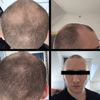
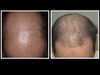
User experiencing hair loss on dutasteride; others suggest shedding is normal and to track progress with pictures. Some mention using RU58841 for improvement.
A 22-year-old shared their hair loss journey, starting with homeopathic treatments and later using Minoxidil and Finasteride, seeing some regrowth. They are currently on oral Finasteride, PRP treatments, and saw palmetto serum, considering reintroducing Minoxidil or switching to Dutasteride for better results.
A user shared their 4-year hair loss journey, starting with finasteride and minoxidil, then adding dutasteride and oral minoxidil, which improved their hair. They are now considering RU58841 and a hair transplant in the future.
A user was diagnosed with male pattern baldness and prescribed biotin, vitamin D, a hair serum, fluocinolone shampoo, and a gel with minoxidil and finasteride. Other users suggest focusing on oral finasteride and minoxidil, questioning the necessity of the other treatments.
A woman experiencing severe hair loss since age 20 is seeking advice on hair transplants for women. Minoxidil hasn't worked for her, and she's considering shaving her head or getting a wig.
A 19-year-old noticed hair thinning and mild receding hairline, opting for a treatment regime excluding finasteride and minoxidil. The regime includes derma rolling, rosemary and coconut oil, a massage comb, a DHT-blocker shampoo, and vitamins B12 and Biotin.
A user plans to experiment with creating new hair follicles using methods like derma rolling, applying lithium chloride, tannic acid, and various other substances including caffeine, ketoconazole, and raspberry ketones. They also consider using anti-inflammatories, immunosuppressants, and DHT inhibitors to potentially improve results.
A user is experiencing severe hair loss and dandruff, trying various treatments including Minoxidil, Nizoral 2% Ketoconazole, Neutrogena T/Gel, coconut oil, baby shampoo, apple cider vinegar, aloe vera gel, and tea tree oil. They believe the issue is not genetic and are seeking advice and solutions.
MCL-1 is important for hair follicle stem cell survival, but its impact on human hair regrowth is unclear. Minoxidil and finasteride are the main treatments, with doubts about new discoveries leading to effective human solutions soon.
The conversation discusses hair loss, scalp buildup, and treatments like Nizoral shampoo, Minoxidil, and dietary changes to address seborrheic dermatitis and iron deficiency. The user plans to improve their hair condition with a good routine, Nizoral, and diet adjustments.
The user is concerned about hair loss and is considering treatments like finasteride and minoxidil but is unsure about their effectiveness and side effects. They have experienced mixed reactions to shaving their head and are struggling with confidence due to balding.
A user recommends the Hair Restoration Network forum for better guidance on hair loss, mentioning it has many helpful hair doctors and surgeons. They express hope that others find solutions and feel less despair.
Hair growth success may be linked to addressing scalp fungi issues, with treatments like minoxidil, finasteride, and dutasteride being important. DHT may contribute to scalp microbial issues, potentially causing inflammation and hair loss.
A user shared their 100-day progress using finasteride, minoxidil, and biotin for hair loss, noting no side effects but uncertain results. Others suggested continuing the treatment for a year, possibly adding oral minoxidil, and considering a hair transplant for better results.
The user is seeking advice on safe hair loss treatments for a household with pets, avoiding minoxidil due to its danger to cats. They are considering alternatives like dutasteride and looking for affordable options.
A sugar gel was claimed to trigger hair regrowth, but users reported no results and potential cancer risks. The discussion included comparisons to minoxidil and skepticism about the effectiveness of the sugar treatment.
A user discusses fighting hair loss without finasteride, using minoxidil, ketoconazole shampoo, saw palmetto, pumpkin seed oil, pygeum, stinging nettles, biotin, a boar bristle brush, and a derma roller. Replies suggest finasteride is necessary for effective hair loss prevention.
After a hair transplant, the user noticed unexpected new hair growth without using medications or vitamins. Many advised starting treatments like minoxidil and finasteride to maintain the results and prevent future hair loss.
The user is struggling with hair loss and has tried treatments like finasteride, minoxidil, and dutasteride without success, considering a hair transplant as a future option. Others suggest focusing on mental health and self-worth beyond physical appearance, while some share their own experiences with similar treatments and outcomes.
The user "mynameisbogus" shared their hair loss progress using various treatments including Dutasteride, RU, oral minoxidil, topical treatments, microneedling, dermastamping, rosemary oil, and scalp massaging. Other users commented on the extensive regimen and expressed their opinions.
The user is experiencing increased hair thinning and shedding despite using oral dutasteride, oral minoxidil, topical dutasteride, and ketoconazole shampoo. Many recommend considering a hair transplant or embracing baldness, as current treatments seem ineffective.
A female user is experiencing hair loss from the root and dead ends, likely due to post-partum effects, ankylosing spondylitis, and low iron. She seeks advice on improving hair health before going fully blonde.
A 21-year-old is experiencing hairline recession and is using finasteride, saw palmetto, gelatin, topical minoxidil with retinoic acid, derma stamping, and scalp massage to address it. Suggestions include adding oral minoxidil, vitamin D3 with K2, and maintaining the current regimen for a year.
A user's progress in hair loss treatment after two months, using finasteride, minoxidil, dermabrasion and keto. They are tracking their progress by shaving their head every month to better track results.
The user has been experiencing hair loss since the age of 16 and has tried various treatments including minoxidil, finasteride, RU58841, microneedling, and keto 2%. Despite these efforts, there has been little improvement in hair growth. The user is considering other options such as dutasteride, perilutimide, or a hair transplant in the future, but for now, they are accepting the shaved look and focusing on personal growth and school.
A user's personal hair loss progress with treatments, including finasteride (1.25mg), minoxidil, needling, and Nizoral; and advice from other users on how to perform the needling correctly.
Checking vitamin and hormone levels is important for addressing hair loss, as deficiencies in vitamin D, zinc, and iron can affect hair growth. Treatments like finasteride, minoxidil, and vitamin supplements are used, but addressing deficiencies is crucial for effectiveness.
A 23-year-old is using finasteride, minoxidil, nizoral, a dermapen, rosemary oil, and peppermint oil for hair loss treatment. They are seeking feedback on their progress.
The user shared their 5-year hair journey, including a recent hair transplant of 2600 grafts, and their routine of using dutasteride, oral minoxidil, and ketrel. They are hopeful for high-density results and recommend starting treatment early.