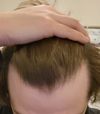
The conversation discusses using topical dutasteride with a dermapen for hair loss treatment. The user is deciding between liposomal and mesosomal formulations for this purpose.
Female (37) experiencing hair loss for 5 years, tried max dose of spiro and oral + topical minox without success. Discovered low cortisol and low DHEA levels, seeking functional medicine practitioner for help.
A 12-year-old diagnosed with alopecia shares their experience and current treatments, including Dermovate, an unnamed cream, and liquid iron. The community offers support and encouragement.
The user continues to experience hair loss despite using dutasteride 2.5mg, minoxidil 5mg, and ciclopirox shampoo, and plans to reassess after one year. Others report similar issues with dutasteride, with some switching to finasteride or adding RU58841.
A user shared a two-year update on their hair loss treatment using dutasteride (0.5mg/day), minoxidil (Kirkland topical foam 2x/day), a 1.5mm derma roller every other week, and a daily multivitamin with biotin. They reported significant hair regrowth with no side effects, emphasizing the importance of consistency and a healthy lifestyle.
A 22-year-old male experienced hair regrowth using an intermittent Dutasteride regimen, oral and topical Minoxidil, FolliHair AM/PM, and Salicia KT shampoo. He stopped Dutasteride due to side effects like dry eyes and skin, but noticed increased hair shedding after stopping.
Mesotherapy for hair loss, including treatments like finasteride and dutasteride, is discussed, with some users reporting pain and mixed results. Alternatives like PRP injections and topical treatments such as minoxidil, RU58841, and tretinoin are also mentioned as effective options.
A 27-year-old male experiencing increased hair loss despite using 0.5mg dutasteride daily, minoxidil nightly, and optimizing vitamin D, is considering zinc supplementation and seeking a dermatology referral. Concerns about potential shedding, thyroid levels, and zinc dosage are discussed, with advice to monitor and avoid over-supplementation.
The user experienced improved hair density and thickness after using finasteride and dermarolling for 2.5 years but noticed hair loss when doing anaerobic exercise. They increased their finasteride dose and continued dermarolling but are considering not starting minoxidil due to its perceived hassle and uncertain long-term benefits.
The user switched from finasteride to dutasteride for hair loss and noticed elevated cholesterol levels, questioning if dutasteride caused this change. They also take Vitamin D, biotin, magnesium, ginkgo biloba, omega-3, and NAC, and are concerned about the impact of these supplements and their health on cholesterol levels.
Switching from finasteride to dutasteride and oral minoxidil worsened hair thinning at the hairline and temples. The user is considering returning to finasteride, as dutasteride may not be effective for them.
A 21-year-old male with advanced hair loss (NW7) started using finasteride and minoxidil 10 months ago but hasn't seen much progress. He is pre-diabetic with stage 1 hypertension and is seeking insights on whether treating these conditions could improve hair regrowth.
User ronopibf discusses Fagron TrichoTest, a genetic test for hair loss, and seeks opinions on its effectiveness. Some users support the service, while others call it a scam, with prices ranging from $200-$500.
The user shared their positive 5-month results using finasteride, minoxidil, derma rolling, and supplements like biotin, zinc, iron, and vitamin C. They provided before and after photos and mentioned applying minoxidil even when derma rolling.
A user on finasteride for 7+ months shared bloodwork results, questioning if high DHT levels and testosterone could affect cholesterol. Replies suggest consulting a doctor and question the high testosterone levels.
The user experienced severe side effects with topical finasteride, continued using Minoxidil, and was advised to try topical dutasteride after a test suggested they might not respond to finasteride. They are hesitant to start the new treatment due to past side effects.
Dutasteride is associated with increased blood glucose, HbA1c, LDL cholesterol, and liver enzyme activity, potentially leading to diabetes, NAFLD, and liver metabolism changes. The conversation highlights concerns about these adverse effects and calls for more studies, including on finasteride.
The conversation is about hair loss treatments, specifically using dutasteride and oral minoxidil, and exploring additional vitamins and supplements like vitamin D, zinc, biotin, and omega-3 to support hair health. Users suggest getting a blood panel to identify deficiencies and emphasize the importance of protein and overall nutrition.
A female user in her mid-20s with androgenetic alopecia and suspected telogene effluvium who has been taking Dutasteride, Spironolactone, Minoxidil, Dermarolling, Ketoconazol shampoo, and Yaz contraception for her hair loss for the past 6 months. She had a small shed during this time that she believes to be stress related.
The user experienced temple recession, shedding, and acne while on 0.5mg dutasteride, 1.25mg finasteride every other day, and 5mg oral minoxidil daily. They are considering switching treatments due to worsening symptoms and are contemplating using a topical anti-androgen like RU58841.
The user "Venom7337" shared their progress with hair loss, mentioning the treatments they used: Dutasteride, Minoxidil, and Ketoconazole shampoo. They hope to see further improvement in hair density and hairline.
Discussing and researching different treatments for hair loss, including RU58841, Dutasteride, Spironolactone, Retin-A, Stemoxydine (Neogenic), Copper peptides, Superoxide Dismutase, NANO, and Eucapil.
A dermatologist prescribed 0.5mg dutasteride every two days and 5mg Minoxidil daily for hair loss, suggesting dutasteride mesotherapy as an alternative. The discussion questions the effectiveness and cost of mesotherapy compared to oral treatments, with concerns about side effects and the dermatologist's approach.
The user experienced initial hair regrowth with topical dutasteride and minoxidil but later faced significant hair shedding, leading to doubts about the effectiveness of topical dutasteride. They plan to continue the treatment for a year and may switch to oral finasteride if no improvement is seen.
The user shared impressive hair regrowth results after 1.5 years using dutasteride (DUT) and oral minoxidil. They switched from finasteride and topical minoxidil due to lack of results and experienced no side effects.
The user has been experiencing hair thinning despite taking finasteride and minoxidil for six months. Bloodwork suggests a vitamin D deficiency, and users recommend consulting a doctor and possibly supplementing vitamin D.
The user experienced hair shedding after starting testosterone replacement therapy (TRT) and is considering using DHT blockers like finasteride or dutasteride to address potential DHT-related hair loss. Low ferritin levels due to frequent blood donations may also contribute to hair issues, and the user is working on stabilizing iron levels.
User shared 6-month hair loss treatment update with Dut 3x/week, oral min, and dut+prp mesotherapy. Experienced positive results, no side effects, and recommends the regimen.
The user is considering resuming finasteride after a 6-month break and is debating the necessity of extensive blood work, including hormone and health markers, to establish a baseline. They are unsure if the tests are necessary since they experienced no side effects previously.