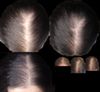
A dermatologist recommended switching from finasteride to dutasteride due to concerns about finasteride's side effects, despite the user not experiencing any. The user is considering transitioning strategies, including stopping finasteride immediately or overlapping both medications.
The conversation is about the effectiveness of Dutasteride (DUT) for hair loss. Some users have had positive results with DUT, while others have experienced negative effects. Different opinions and experiences are shared, including the mention of Ashton Kutcher using DUT for 20 years without problems.
A 25-year-old male with seborrheic dermatitis and hair thinning seeks advice on the severity of his condition and treatment options. Oral finasteride and oral minoxidil are recommended as the most effective long-term treatments.
The conversation discusses the effectiveness of Dutasteride (DUT) and Finasteride (FIN) for hair loss. Users share varied experiences, with some finding DUT more effective and others experiencing side effects or no change, highlighting that individual responses can vary.
The user underwent a DHI hair transplant with 3,066 grafts at Hairtec in the Netherlands and is using finasteride and minoxidil to restore hair, particularly at the crown. They plan to adjust minoxidil dosage and consult with a dermatologist in September.
The user is preparing for potential future hair loss treatments and currently uses topical minoxidil, derma rolling, and ketoconazole shampoo. They are concerned about shedding, side effects, and the possibility of starting finasteride or dutasteride along with testosterone.
The user experienced hair recovery using oral dutasteride 0.5 mg and oral minoxidil 5 mg daily, considering increasing dutasteride dosage but concerned about cost and effectiveness. They noted progress and discussed alternatives like hair transplants and other medications.
The post and conversation are about skepticism towards a new hair loss treatment containing 2-deoxy-D-ribose, copper peptides, and exosomes, with concerns about the legitimacy of the product and its website. The treatment's effectiveness and authenticity are questioned due to lack of testing and transparency.
The user switched from finasteride and topical minoxidil to dutasteride, oral minoxidil, and topical minoxidil for 8 months, resulting in hair regrowth. Some users suggest dropping the topical minoxidil.
A 19-year-old male has been using topical finasteride and minoxidil for 8 months with no progress and is considering seeking a second opinion due to potential misdiagnosis. The discussion revolves around whether the hair loss is due to male pattern baldness, alopecia areata, or a vitamin deficiency.
A user has been using finasteride and minoxidil for hair loss without success and is considering switching to dutasteride. They are concerned about low DHT levels and are seeking advice on how to implement dutasteride effectively.
The user experienced significant hair regrowth using dutasteride daily for six months, then every other day, after stopping minoxidil. They did not use finasteride and reported no side effects.
A 29-year-old male shared his hair loss journey, using oral finasteride, topical minoxidil, derma rolling, and recently switching to dutasteride, oral minoxidil, and ketoconazole shampoo. He observed significant regrowth but progress slowed, hoping new treatments will enhance results.
A user reported a significant increase in testosterone and estradiol levels after taking Finasteride for 5 months, with estradiol levels rising over 2000%. They plan to consult their doctor, suspecting a lab error, as they feel fine with no side effects.
The user has been using 0.5mg daily dutasteride for a year without seeing progress and previously used oral finasteride and topical minoxidil. They are considering a hair transplant and discussing various treatments like scalp massages, derma rolling, and different medication dosages.
The user has been using minoxidil for hair loss and is considering trying a compounded topical treatment with 0.1% dutasteride, minoxidil, tretinoin, collagen, and silicon, as recommended by a trichologist. They learned that dutasteride might be more effective than finasteride and are seeking opinions on the use of topical dutasteride.
User reports almost 2 months on DUT and MIN for hair loss with positive results. Treatment includes 0.5mg dut (morning), 5mg oral min (night), and vitamin D and B12 supplements.
Finasteride can affect hormone levels within two weeks, and a break of several weeks is recommended for baseline results. Monitoring E2 and testosterone is suggested to assess the risk of gynecomastia.
Exploring hair loss treatments beyond DHT, including Minoxidil, pyruvate, Gt20029 targeting androgen receptors, and vasodilators. Other options like Kx826, adenosine signaling, growth factor topicals, and microneedling are also discussed.
A 7-month progress report of using finasteride and minoxidil, as well as keto dieting and derma stamping; the discussion also touched on RU58841 and its potential side effects.
The user experienced side effects from finasteride and found improved mood and performance with DHT, but it worsened hair loss. They are considering options like TRT, HCG, and topical treatments like Saw Palmetto, but struggle with balancing hair preservation and functionality.
A 30-year-old female with PCOS and male pattern baldness is frustrated with her endocrinologist's recommendation of only Spironolactone and minoxidil, feeling that dutasteride, finasteride, and progesterone would be more effective. Other users suggest various online sources for treatments, warn against self-medicating due to potential risks, and recommend seeking a specialized endocrinologist or considering additional treatments like Inositol, Berberine, and dermaneedling.
A 21-year-old experiencing hair loss was prescribed two shampoos and hair vitamins by a dermatologist who suggested seborrheic dermatitis as the cause. However, users in the conversation suggested the hair loss could be male pattern baldness (MPB), recommending monitoring the situation and considering finasteride as a treatment.
A 20-year-old has been using 1mg of dutasteride daily, caffeine shampoo, Nizoral shampoo 2-4 times a week, and pumpkin seed pills for hair growth, noticing regrowth since October. Initial shedding occurred, but improvements are felt, especially at the back of the hair.
A user successfully reversed hair loss over 17 months using 0.5mg dutasteride and 5mg oral minoxidil daily, noting significant improvement without a transplant. Minor side effects like headaches and testicular discomfort were reported but resolved quickly.
The user is experiencing hair loss and confusion over conflicting medical advice, with treatments including minoxidil, finasteride, and topical corticosteroids. They are unsure about the necessity of a biopsy and the timing of using minoxidil, while also considering the impact of potential androgenetic alopecia and telogen effluvium.
The conversation is about finding providers for Dutasteride Mesotherapy in the US, which is more common in Europe. The user is asking if any mesotherapy/PRP clinic could offer it if they provide the Dutasteride.