Breezula (cb-03-01) and kx-826 are discussed as hair loss treatments. Kx-826 is available on Kintor's website, while Breezula is available on the grey market.
Ultrasound imaging can predict hair shedding and assess hair growth stages by analyzing hair follicle characteristics. The conversation also discusses using ultrasound for personal hair analysis and mentions the potential use of infrared emission for hair treatment.
A user has been taking finasteride 1mg for 10 years without side effects but is concerned about high estradiol levels affecting weight loss. Another user suggests using estradiol blockers under medical supervision to manage the levels.
Finding and comparing providers of hair loss treatments such as Finasteride, Minoxidil and potentially Dutasteride, RU58841 and other research chemicals; the user has created a website to track suppliers of these products around the world; and various online pharmacies are recommended, including those that ship to certain countries.
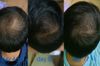
A user shared their 3-month progress using oral finasteride, topical minoxidil, and dermarolling for hair loss. Other users commented on the impressive results and asked questions about the treatments.
A 19-year-old plans to start Dutasteride 0.5mg three times a week to combat genetic alopecia and preserve hair density, with concerns about potential shedding before prom. Users suggest starting the treatment after prom to avoid shedding, and provide advice on where to purchase the medication.
The conversation is about a person considering participating in a study for Clascoterone, a topical cream for hair loss, and seeking advice on potential side effects. They have mild hair loss and are not currently using other treatments like finasteride.
The conversation discusses the hair loss treatment Breezula by Cassiopea, which had a successful Phase II trial and is expected to start Phase III by the end of the year. Users are curious about the timeline for availability and note that it performs slightly better than finasteride at 6 months, slightly worse at 12 months, with the benefit of having no side effects.
The conversation discusses hair loss treatments, focusing on a new slow-release oral minoxidil compared to topical minoxidil and finasteride. The results show that twice-daily dosing of the new treatment is slightly more effective than once-daily, but concerns about cost, side effects, and the accuracy of reported results remain.
User Kylo313 used dutasteride for 20 years and had two daughters, questioning if dutasteride affects the likelihood of having male vs female children. Replies mostly request hairline photos and discuss anecdotal experiences, with some suggesting correlation doesn't imply causation and that gender determination isn't affected by dutasteride.
The conversation discusses skepticism about a new hair loss treatment called project K, which claims to replicate a chemical from UCLA research but is suspected to be a scam. The original poster plans to continue using oral minoxidil, finasteride, and dutasteride, along with microneedling, for hair regrowth.
A user is frustrated that their dermatologist requires blood and sperm tests before prescribing oral finasteride, despite already taking oral minoxidil. They prefer oral medication over topical treatments due to sensory issues and are considering asking their GP for a finasteride prescription or seeking alternatives online.
The conversation is about when the phase 3 results for pyrilutamide, a potential hair loss treatment, will be released. There was a letter about the study a month ago, but the actual results were not included.
The conversation is about a user planning a blood test to monitor health while on hair loss treatments: Finasteride, Minoxidil, and Dutasteride. Recommendations include testing for androgens, thyroid function, micronutrients, and basic health markers, with additional suggestions for PSA, prolactin, and estradiol.
A 25-year-old male experienced increased testosterone and estradiol levels after starting finasteride for hair loss, leading his doctor to suggest a testicular ultrasound as a precaution. The user questions the necessity of the ultrasound, considering it potentially excessive, while others suggest it could be a useful precaution to rule out any issues.
Finasteride and dutasteride must be taken continuously to prevent hair loss, and minoxidil should also be used long-term. Patience is needed as results from these treatments can take months to over a year to appear.
The user is using finasteride 1mg daily for one month and ketoconazole three times a week for three months. They are comparing hair progress with photos from December 2025 and March 2026.
The conversation discusses concerns about potential side effects, specifically gynecomastia, from taking 1mg of finasteride every other day for hair loss. Bloodwork results were shared, but more information was requested to provide advice.
A 23-year-old male experienced nipple sensitivity after taking 0.5 mg finasteride for 2.5 months, with blood tests showing increased testosterone and estrogen levels. He stopped finasteride temporarily and seeks advice to prevent gynecomastia.
Volunteers using finasteride and minoxidil are needed to test if intense calf raises increase hair shedding. The goal is to see if overexertion of leg muscles affects hair loss.
The conversation is about hair loss and the effectiveness of treatments like finasteride, with one user expressing satisfaction after seeing hair regrowth on CCTV. Other users share their experiences with hair visibility and discuss the effectiveness of finasteride compared to dutasteride.
Users discuss using RU58841 with finasteride, dutasteride, and minoxidil for hair loss, noting reduced itching and effective results. Some users report no side effects, while others experience side effects with dutasteride.
The user switched from finasteride to dutasteride and is seeking feedback on hair changes after 4 months. The current regimen includes oral dutasteride, oral minoxidil, and topical minoxidil.
Pyrilutamide, a new drug being tested to combat hair loss that has been found to perform comparably or better than finasteride and dutasteride in the initial 6 months of treatment with minimal reported side effects.
The conversation humorously discusses using a dermaroller for hair growth, with a playful suggestion of using it on the wrist. It includes references to Minoxidil, finasteride, and RU58841 as treatments.
A 19-year-old with thinning hair at the temples is prescribed finasteride 1mg daily and minoxidil 2% twice daily. They seek feedback on the effectiveness of finasteride for young people, especially those who started between ages 18-20, given their family history of baldness.
The user is experiencing increased hair shedding while using finasteride and RU58841, possibly due to changes in application methods. They are considering adding minoxidil and stemoxydine to their regimen to improve results and manage hair greasiness.
A user experienced increased testosterone and estradiol levels after starting finasteride/dutasteride and is asking if these levels will return to normal over time. The conversation focuses on whether these changes are temporary.