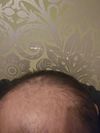
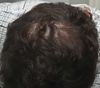
Creatine monohydrate's potential link to hair loss, with mixed opinions on its effects. Treatments like minoxidil, finasteride, and RU58841 are discussed.
The user experienced significant hair regrowth after three months of using topical minoxidil 5% and 1mg oral finasteride, along with addressing vitamin D and iron deficiencies. Some users expressed skepticism about the rapid results, while others congratulated the user on their progress.
A 24-year-old male experienced hair loss and side effects from oral finasteride and minoxidil, but saw progress with a topical solution of minoxidil and finasteride, alongside dermastamping and vitamin supplements. He uses 2% Nizoral and keratin shampoo for hair care.
The conversation discusses using dutasteride once a week to boost finasteride's effectiveness in treating hair loss, with some users reporting fewer side effects and cost savings. Others share experiences with different dosages and combinations, including minoxidil and topical treatments, to find a balance between effectiveness and side effects.
The user started using minoxidil and finasteride about four months ago for hair thinning but is unsure if it's working, as they haven't noticed new hair growth and feel their hair has thinned. Other users advise patience, suggesting that significant results may take 12 to 24 months, and recommend consistency in treatment.
The conversation discusses the synthesis and potential use of JXL069 and PP405 for hair loss treatment, with skepticism about their effectiveness and concerns about safety. Users mention that JXL069 has shown no results in hair growth, and there is confusion about its identity and effectiveness compared to PP405.
The user shared a 3-month progress update on hair loss treatment using oral finasteride, oral minoxidil, dutasteride, ketoconazole, biotin, collagen shampoo, dermarolling, and scalp massage, noting some side effects like decreased libido and low mood. The user received feedback and questions about their regimen, including why both finasteride and dutasteride are used.
Hair loss is linked to DHT, with treatments like finasteride and minoxidil being common but not definitive. Economic interests influence research, and there is potential for new treatments like PP405 and RU58841.
The user experienced hair thickening and reduced shedding using minoxidil, finasteride, and dutasteride, with a switch from finasteride to dutasteride due to ineffectiveness. They also use a saw palmetto shampoo and take vitamin D3 supplements, while considering potential underlying causes like vitamin deficiencies and hard water buildup.
Dutasteride can regrow hair lost up to 10 years ago for some, especially when combined with minoxidil, but results vary widely. Some users report significant regrowth, while others see no change or only maintain existing hair.
The conversation discusses applying minoxidil effectively to the scalp for hair loss, with suggestions like parting hair, using a dropper, and considering liquid over foam. Some users also mention using finasteride and keeping hair short for better application.
Many people feel self-conscious about hair loss during haircuts, with some using treatments like finasteride and minoxidil. Others cope by cutting their own hair or finding a trusted barber to manage thinning areas.
The conversation humorously discusses using semen as a topical treatment for hair growth, with users joking about its effectiveness and comparing it to other treatments like finasteride. The tone is light-hearted and sarcastic, with no serious endorsement of the method.
A user is considering using homemade hair sprays with ingredients like fenugreek seeds, rosemary, and lavender to promote hair growth, alongside topical minoxidil. Other users suggest that while these sprays may improve hair health, they are not as effective as minoxidil and finasteride for regrowing hair, and recommend using proven treatments like finasteride for better results.
Veradermics' oral minoxidil shows promise for hair regrowth, with some users reporting significant improvements, while Pelage's PP405 results are less convincing and lack transparency. There is skepticism about both treatments' long-term effectiveness and potential side effects.
Dutasteride is more effective than finasteride for hair loss, with optimal dosing at 0.5mg once or twice a week to minimize side effects. Topical application may further reduce side effects while effectively lowering scalp DHT.
Some users experience worsening hair loss with dutasteride and improvement after switching back to finasteride, while others find better results with dutasteride. The effectiveness of treatments like finasteride, dutasteride, minoxidil, and RU58841 varies, requiring individuals to try different combinations or dosages to find what works best.
The conversation discusses skepticism about new hair loss treatments, with many users expressing doubt about their effectiveness compared to existing treatments like minoxidil and finasteride. Some users mention natural oils like olive and macadamia oil, but overall, there's a consensus that these are unlikely to be game changers.
A user shared their successful hair regrowth journey using finasteride for four years, initially also using Rogaine. They experienced significant improvement, regrowing their hairline and crown, and noted being a hyper responder to the treatment.
A 78-year-old man regrew hair after suffering burns, suggesting that injury-induced healing processes might trigger hair growth. Microneedling and other treatments like minoxidil and finasteride are discussed as potential methods to stimulate similar regrowth.
Prolactin and cortisol are identified as key factors in hair loss, with stress hormones impacting hair shedding. Finasteride and minoxidil are effective treatments, while DHT's role and individual sensitivity are significant factors.
A 31-year-old experienced significant hair regrowth using a combination of oral minoxidil, dutasteride, and topical treatments, with no side effects. They initially had issues with finasteride but found success with dutasteride, noting improved hair retention and no sexual side effects.
A 35-year-old man has been using Finasteride 1mg daily for 4.5 months with no noticeable effects on hair loss, and he is considering adding Minoxidil to his treatment. Other users suggest that significant improvements may take up to 18 months and recommend additional treatments like Minoxidil, microneedling, or switching to Dutasteride.
The user has experienced noticeable hair regrowth after 7 months and 20 days using finasteride, minoxidil, dermastamping, vitamin D, zinc, and ketoconazole shampoo. The user reports improved hairline and self-esteem with no side effects.
The user shared their hair regrowth journey, highlighting the use of Minoxidil and Finasteride as main treatments, along with lifestyle changes like changing pillowcases, checking vitamin deficiencies, and maintaining a clean diet. They advised consulting a doctor before starting treatments and noted that results may vary.
A 22-year-old experiencing hair loss and persistent scalp itchiness since age 16 has tried various treatments, including finasteride, ketoconazole shampoo, and dietary changes, with no success. Suggestions include consulting a knowledgeable dermatologist, considering seborrheic dermatitis, and trying different shampoos like Selsun Blue or those with selenium sulfide.
Hair provides protection against head trauma, reduces skin cancer risk, helps remove heavy metals, and aids in wound healing. The conversation emphasizes the health benefits of maintaining head hair beyond cosmetic reasons.
A user shared their hair loss journey from age 15 to 23, achieving results with finasteride 1mg, oral minoxidil 5mg, and a hair transplant. The conversation includes discussions on the effectiveness of these treatments and questions about the hair transplant process.
Hair loss greatly affects mental health and social life for young men. Treatments like finasteride, minoxidil, and hair transplants are common, with mixed success and ongoing self-esteem challenges.
The conversation is about a user defending their hair loss progress photos against accusations of being fake, explaining changes in hair color and texture due to dyeing and straightening. The user shares their treatment timeline, using dutasteride and minoxidil, and addresses side effects and skepticism from others.