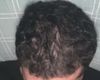
A 2-week journey with Pyri, which is producing positive effects on hair texture and reduced shedding; Minoxidil and derma needling are being used as treatments.
Filtered shower heads may improve scalp and hair health but do not affect male pattern baldness (MPB). Genetics and factors like DHT and scalp tension are more significant in hair loss.
A satirical post where someone claims to have developed a radioactive isotope scalp serum using Polonium-210 that outperforms Minoxidil and finasteride for hair regrowth. The serum reportedly stimulates DNA repair in hair follicles, leading to significant hair density increase, but the post is met with skepticism and concerns about safety.
A 21-year-old male has been using finasteride and minoxidil for four months with little progress in hair regrowth, despite adding microneedling and rosemary oil to his routine. Users suggest patience, maintaining the current treatment, and possibly simplifying the routine by dropping rosemary and microneedling.
Switching from spironolactone to bicalutamide caused severe hair shedding, despite using treatments like dutasteride, minoxidil, and estradiol injections. The user is experiencing androgenetic alopecia and is seeking solutions to stop the hair loss.
A 23-year-old male using minoxidil once daily is concerned about hair loss and hesitant to use finasteride due to potential side effects. Suggestions include adding finasteride, exercise, cold showers, spicy food, infrared exposure, sunbathing, and tretinoin.
PP405 targets hair follicle stem cells differently than exercise-induced lactate, suggesting exercise alone may not replicate its benefits. Minoxidil and finasteride are recommended alongside exercise for hair regrowth, with additional suggestions like spicy food and infrared exposure.
A 32-year-old is pleased with hair growth results from using oral finasteride (1.2mg) and minoxidil (3mg) without side effects, after switching from topical minoxidil. They report no shedding and increased facial hair density, and they purchase the combo pill from the Hims brand.
A 23-year-old male has been using finasteride, dutasteride, and drinking topical minoxidil for almost four months to combat hair loss, seeing reduced shedding and some regrowth. Users advise against drinking minoxidil and suggest that using both finasteride and dutasteride together is overkill.
A human trial involving the use of Verteporfin as a treatment for hair loss, which has been ongoing for 119 days with an update on its progress. Treatments such as Minoxidil, Finasteride and RU58841 have also been discussed.
Hair regrowth after chemotherapy varies; some experience thinner or differently colored hair, while others may see fuller regrowth. Treatments like essential oils, vitamins, and lifestyle changes are discussed, but no specific medications like Minoxidil or Finasteride were used by the original poster.
Minoxidil users discuss skin-care routines to counteract side effects like dark circles and dull skin. Recommendations include vitamin C, potassium, collagen, retinol, nizoral shampoo, and emu oil.
Hair loss treatments for female pattern baldness, with the user focusing on wigs as an effective solution; they also discussed the difference between cheap and real wigs, and the importance of returning to confidence and self-esteem when tackling alopecia.
Tretinoin may enhance the effectiveness of minoxidil for some users, though experiences vary. Some users report better results with oral minoxidil compared to adding tretinoin.
A user shared their positive experience with oral finasteride (1.2mg daily) and minoxidil (3mg daily) for hair regrowth, noting no side effects and significant improvement in hair density. Other users discussed their experiences with these treatments, including side effects and different application methods, with some expressing skepticism about side effects and others sharing their own challenges.
The conversation discusses using a red light face mask on the head as a cost-effective alternative to a red light cap for hair loss treatment. The original poster is currently using 5% minoxidil and Nizoral shampoo but is considering additional treatments due to thinning hair.
Comparing the effectiveness and side effects of topical finasteride versus oral finasteride, with people sharing their experiences using both treatments to manage hair loss.
A 19-year-old is frustrated with doctors giving misleading information about hair loss treatments, specifically finasteride and minoxidil. They plan to self-administer finasteride due to concerns about side effects and lack of supportive medical guidance.
Successful hair regrowth after six months using finasteride and topical minoxidil, with minimal side effects like anxiety. Finasteride was the main treatment, and minoxidil supported regrowth.
Homelessness is humorously proposed as a solution to hair loss due to less grooming and stress. Treatments like Minoxidil and Finasteride are discussed, with genetics and lifestyle also considered important factors.
Hair provides protection against head trauma, reduces skin cancer risk, helps remove heavy metals, and aids in wound healing. The conversation emphasizes the health benefits of maintaining head hair beyond cosmetic reasons.
Hair loss is influenced by genetics and sensitivity to hormones like DHT. Treatments like Minoxidil and finasteride are commonly used, and baldness persists as it doesn't affect reproductive success.
Switching from finasteride to dutasteride caused significant shedding but minimal side effects. The user plans to continue dutasteride for 12 months despite concerns about hair density.
The user is experiencing significant hair regrowth using 1mg oral finasteride, 1.25mg oral minoxidil, 5% topical minoxidil, biotin, vitamin D3, fish oil, and weekly microneedling with a 1mm needle roller. They report no major side effects, except for slight hair growth near the eyebrows, and are pleased with the progress.
The conversation discusses hair loss treatments, specifically the use of dutasteride, finasteride, and other methods like PRP, laser, and mesotherapy. Despite these treatments, the user is experiencing hair loss, and others suggest consulting a dermatologist, considering alternative treatments, and addressing potential scalp inflammation.
Significant hair regrowth was achieved using 0.5mg oral finasteride, a topical mix of finasteride and minoxidil, and dermastamping. Initial side effects like achy testicles were managed by adjusting the regimen.
Hair loss is a common issue, with treatments like finasteride and minoxidil used but not as permanent cures. Frustration exists over societal perceptions and the lack of a definitive solution.
The user experienced hair loss since 2019 and tried finasteride, dutasteride, RU58841, and ketoconazole shampoo without success. A scalp biopsy showed scarring and inflammation from folliculitis, indicating chronic inflammation was affecting treatment effectiveness.
The user has been using finasteride for 18 years to manage hair loss and is considering starting minoxidil and possibly a hair transplant. Despite some regrowth, they are exploring additional treatments like dutasteride and oral minoxidil due to continued hair thinning.
A doctor advised against using finasteride or dutasteride during pregnancy. The user continues with oral and topical minoxidil, microneedling, tretinoin, Nizoral, and pyrilutamide.